Essential Nutrition Tips from NuBest Nutrition for a Healthier American Lifestyle
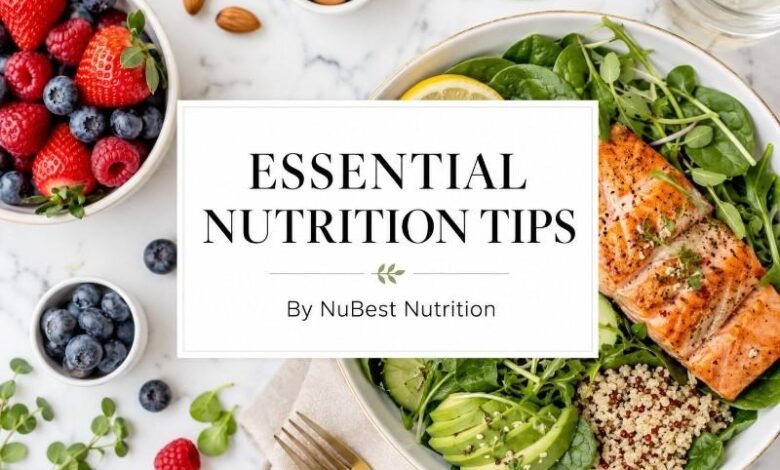
Essential Nutrition Tips from NuBest Nutrition for a Healthier American Lifestyle
Healthy eating in the United States often turns into a negotiation with time. Breakfast happens in traffic. Lunch comes from a drive-thru. Dinner gets pushed past 8 p.m. because work emails keep buzzing. Then fatigue shows up, energy crashes hit around mid-afternoon, and sleep quality slips without much warning.
That pattern has become normal, which is probably the biggest problem.
According to the Centers for Disease Control and Prevention, more than 40% of American adults live with obesity. Processed food dominates grocery aisles, sugar-sweetened beverages remain everywhere, and stress changes eating behavior more than most people notice at first. Nutrition stops feeling like fuel and starts acting like damage control.
NuBest Nutrition focuses on practical nutrition habits that fit real American routines. Not perfection. Just patterns that hold up during busy weekdays, school schedules, grocery budget limits, and those chaotic weekends filled with restaurant meals and snacks that somehow disappear before Sunday afternoon.
1. Build a Balanced Plate the American Way
A balanced meal rarely looks dramatic. In practice, it usually looks pretty ordinary. Grilled chicken. Brown rice. Roasted vegetables. Maybe avocado on the side if grocery prices haven’t gotten ridiculous that week.
The U.S. Department of Agriculture created the MyPlate model for a reason. It simplifies food decisions before things get complicated.
A balanced plate typically includes:
- Half the plate from vegetables and fruits
- One quarter from lean protein
- One quarter from whole grains
- Water or low-sugar beverages alongside meals
That structure supports macronutrients without turning every meal into calorie math. Fiber intake also improves naturally when vegetables and whole grains increase. Most Americans fall short on fiber by a wide margin, according to the Academy of Nutrition and Dietetics.
Portion size matters too, although the conversation around portions gets strange online. Some restaurant meals in the U.S. contain enough calories for nearly an entire day. Cheesecake Factory pasta dishes and oversized fast-food combos become normal reference points, so home portions start looking “too small” even when they aren’t.
A few balanced diet tips USA families often overlook:
- Meal prep reduces impulsive fast-food decisions
- Lower glycemic index foods help stabilize afternoon energy
- Lean protein keeps hunger more manageable between meals
- Frozen vegetables work nearly as well as fresh ones most of the time
The CDC consistently links processed food intake with poorer long-term health outcomes. That connection becomes obvious after a few months of eating heavily packaged meals. Energy feels flatter. Sleep gets lighter. Cravings get louder.
2. Prioritize Protein for Growth, Energy, and Metabolism
Protein gets treated like gym culture branding sometimes, but the body depends on it for far more than muscle size.
Protein supports muscle synthesis, tissue repair, hormone production, and metabolic rate. Children and teenagers also need adequate amino acids during growth years, especially during puberty when the body changes rapidly.
The National Institutes of Health recommends roughly:
| Age Group | Suggested Daily Protein Intake |
| Children 4–13 | 19–34 grams |
| Teenagers | 46–52 grams |
| Adult women | 46 grams |
| Adult men | 56 grams |
Those numbers shift higher for athletes or highly active lifestyles.
Breakfast is where many Americans fall apart nutritionally. Sugary cereal, pastries, flavored coffee drinks. Then hunger crashes into the morning around 10:30.
Higher-protein breakfasts tend to hold energy longer. Examples include:
- Greek yogurt with berries
- Eggs with whole-grain toast
- Protein smoothies with whey protein or plant-based protein
- Cottage cheese with fruit and nuts
Brands like Orgain and Optimum Nutrition remain popular because convenience matters. Realistically, not everyone cooks three full meals daily. Protein supplementation can help fill gaps when schedules get messy.
Still, balance matters more than obsession. A high protein diet USA trend sometimes pushes people toward extreme eating patterns that become difficult to maintain after a few weeks.
3. Don’t Ignore Micronutrients: Vitamins and Minerals Matter
Micronutrients sound tiny. Their effects aren’t.
Vitamin D deficiency affects a large percentage of Americans, partly because indoor lifestyles dominate modern work culture. Iron deficiency also appears frequently, especially among women and teenagers.
The Food and Drug Administration requires Daily Value (DV) labeling on supplements and packaged foods, but label reading takes practice. Marketing language distracts people constantly. “Natural” and “immune boosting” don’t automatically mean effective.
A few nutrients that deserve attention:
- Vitamin D for bone health and immune response
- Calcium for bone density
- Iron for oxygen transport and energy levels
- Magnesium for muscle and nerve function
Bioavailability matters too. Some nutrients absorb better alongside food or healthy fats. Calcium absorption rates, for example, can vary depending on dosage and timing.
Fortified foods help bridge gaps in American diets:
- Breakfast cereals
- Plant milks
- Orange juice
- Yogurt products
NuBest Nutrition emphasizes nutrient density over trend-based dieting. That distinction matters because low-calorie eating doesn’t automatically equal healthy eating.
4. Smart Snacking for Busy American Families
Snacking isn’t the problem. Mindless snacking usually is.
A typical office snack setup in the U.S. includes donuts, chips, candy bowls, and vending machine sodas. Blood sugar balance gets wrecked by 2 p.m., then caffeine takes over for the rest of the workday.
Better snack options don’t need to feel painfully “healthy.”
Examples that work well:
- Apples with peanut butter
- Trail mix with nuts and dried fruit
- Cheese sticks and whole-grain crackers
- Low-sugar yogurt
- Hummus with carrots
Whole Foods Market and Walmart both carry decent low sugar snacks for kids now compared to even five years ago. Nutrition labels still matter, though. Added sugars and sodium intake climb fast in packaged snacks marketed as “fitness foods.”
Holiday eating gets complicated too. Thanksgiving leftovers and Super Bowl snacks create calorie density overload before people even realize it. One football Sunday can quietly stack thousands of calories from chips, wings, soda, and desserts.
The American Heart Association continues warning about excess sodium and sugar consumption for exactly that reason.
5. Hydration: The Overlooked Nutrition Pillar
Hydration rarely gets enough attention until headaches, fatigue, or dizziness show up.
The Mayo Clinic notes that fluid needs vary based on body size, activity level, and climate, but many adults simply don’t drink enough water consistently. Coffee doesn’t fully replace hydration, despite what exhausted office culture sometimes pretends.
Signs of dehydration often include:
- Fatigue
- Dry mouth
- Muscle cramps
- Poor concentration
- Dark urine
Sports drinks like Gatorade help during intense exercise lasting longer than an hour because electrolytes support fluid balance. For regular daily hydration, water usually works perfectly fine.
Sugar-sweetened beverages remain a major issue in the United States. Coca-Cola products, energy drinks, and oversized sodas contribute heavily to excess sugar intake. The CDC links frequent soda consumption with obesity and type 2 diabetes risk.
Hydration for athletes becomes more nuanced because sodium levels shift during heavy sweating. But for most adults, carrying a reusable water bottle changes hydration habits more effectively than complicated strategies.
6. Support Growth and Development in Children and Teens
Growth years move fast. Nutrition gaps during childhood sometimes linger longer than parents expect.
The American Academy of Pediatrics emphasizes calcium, vitamin D, protein, and balanced calories during adolescence because growth plates remain active throughout teenage years.
A few factors strongly connected to child development nutrition:
- Consistent protein intake
- Adequate sleep
- Calcium-rich foods
- Physical activity
- Reduced ultra-processed food intake
Screen time complicates eating habits too. Mindless eating during gaming, streaming, or scrolling usually increases calorie intake without improving nutrition quality.
Teen athletes especially need enough fuel. Undereating while training intensely tends to reduce athletic performance, recovery, and concentration. Puberty nutrition also affects cognitive development and bone density during critical growth windows.
Height growth supplements receive massive attention online. Some products overpromise aggressively. NuBest Nutrition focuses more heavily on supporting healthy nutrition foundations rather than miracle-style claims.
7. Manage Weight with Sustainable Habits
Weight management in America often swings between extremes. One month becomes keto everything. The next month turns into juice cleanses and expensive powders.
The Harvard T.H. Chan School of Public Health consistently supports sustainable dieting patterns over short-term restriction. The Mediterranean Diet continues showing strong long-term research for cardiovascular health and weight management.
A few realities people notice after several months:
- Severe caloric deficit plans become exhausting
- Muscle loss slows basal metabolic rate
- Sleep affects hunger more than expected
- Strength training changes body composition better than cardio alone for many adults
Affordable healthy eating also matters. Organic everything sounds ideal online, but grocery budgets exist in real life. Frozen vegetables, canned beans, oats, eggs, and rotisserie chicken often provide strong nutrition value without destroying weekly spending.
The ketogenic diet works for some individuals. Others struggle with sustainability after the novelty fades. Most successful long-term habits look less dramatic than social media transformations. Dive deeper into safe, effective height growth at HeightGrowth.net
8. Choose Quality Supplements Wisely
The supplement market in the United States gets crowded fast. Flashy labels, celebrity endorsements, exaggerated claims. Sometimes all in the same aisle.
The Dietary Supplement Health and Education Act allows supplements to enter the market without the same approval process required for medications. That reality surprises many consumers.
A safer supplement approach usually includes:
- Looking for third-party certification from U.S. Pharmacopeia
- Reading the supplement facts panel carefully
- Checking dosage instructions
- Watching for safety warnings or medication interactions
- Comparing price per serving instead of bottle size
The National Institutes of Health recommends discussing supplements with healthcare providers when medical conditions or medications are involved.
Quality assurance matters because ingredient accuracy varies between brands. NuBest Nutrition emphasizes transparency, testing standards, and practical formulations over marketing hype.
Conclusion
Nutrition in America isn’t just about food anymore. It’s about schedules, stress, convenience, cost, advertising, sleep patterns, and habits built quietly over years. That complexity explains why healthy eating often feels harder than expected.
Still, small consistent changes usually outperform dramatic overhauls that collapse after two weeks.
More protein at breakfast. Better hydration. Smarter snacks. Less processed food. More awareness around vitamins, portion control, and supplement quality. Those shifts seem minor at first, although the body tends to notice the difference long before motivation catches up.