Growing Citrus in a Greenhouse: A Guide for Cooks
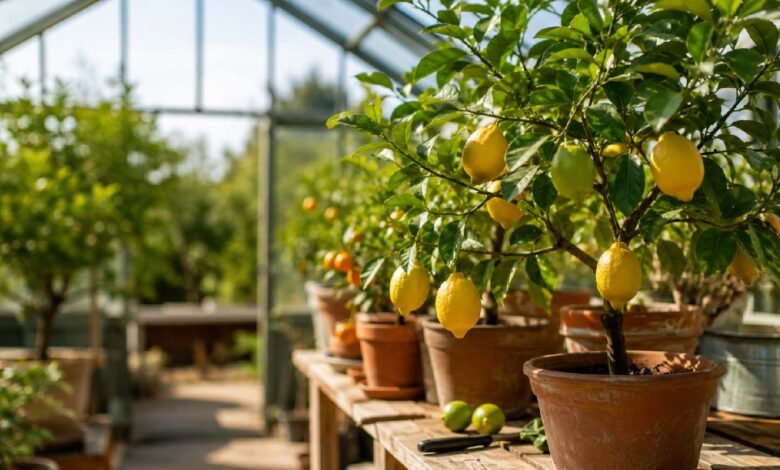
Plucking a fresh lemon or lime straight from your own tree to use in the kitchen is a rewarding experience. While many people think our cooler climate makes this impossible, a greenhouse opens up a world of Mediterranean flavours right in your back garden.
However, getting these plants to thrive and actually produce fruit in northern Europe requires some specific care.
Which Citrus Varieties Work Best in UK Greenhouses?
Reliable Lemons and Limes
Your choice of citrus variety will determine your success. Meyer lemons are a top choice for home cooks because they’re slightly sweeter than standard lemons and tolerate cooler temperatures better. Kaffir limes are another excellent option, as their aromatic leaves are essential for many Asian dishes, and the plant itself is relatively hardy.
Hardy Oranges and Kumquats
If you want something unique, try the calamondin orange or a kumquat. These plants are compact and grow well in pots, which means you can easily move them around. They also tend to cope better with the fluctuating conditions of a typical British greenhouse.
How to Keep Citrus Warm During Cold Winters
Cold winter temperatures are the biggest threat to citrus survival. While some varieties can tolerate a brief dip near freezing, most need a minimum temperature of around five to ten degrees Celsius to remain active and healthy. If your greenhouse isn’t heated, you will need to take steps to protect your plants when the frost hits.
Wrapping pots in bubble wrap helps insulate the roots, and fleece jackets can protect the foliage from sudden cold snaps. It’s also vital to reduce watering significantly during winter. Citrus roots rot easily in cold, wet compost, so only water when the top few centimetres of soil are completely dry.
How Light Levels Affect Your Harvest
Light is the main reason greenhouse citrus fails. Citrus trees need at least six to eight hours of direct sunlight daily to produce the sugars required for sweet fruit. In the UK, this means positioning your greenhouse in a south-facing spot and keeping the glass or plastic panels meticulously clean to let in every drop of light.
Over time, old glass can become etched, and cheap plastic panels can yellow, which dramatically cuts down on the light reaching your plants. Upgrading to clear acrylic greenhouse glazing sheets is a simple way to restore maximum light transmission and boost fruit production. You will see the benefit of this upgrade when your trees start blooming and setting fruit instead of dropping leaves in frustration.
Water and Nutrition Requirements for Strong Growth
Watering mistakes are very common. Many growers assume citrus plants need constant moisture, but overwatering actually suffocates the roots. During the active growing season from spring to autumn, water thoroughly so the excess drains away, then let the compost dry out slightly before watering again.
Citrus trees are hungry plants and need regular feeding to produce delicious fruit. You should use a high-nitrogen summer feed from April to September to encourage strong leaf growth and healthy blooms. In winter, switch to a specialised winter feed formulation, which supports the plant’s root system without forcing weak growth during dark months.
Common Reasons for Lack of Fruit
It can be frustrating when a healthy-looking tree refuses to fruit. Often, this is down to poor pollination. Greenhouses can lack the natural wind and insects needed to pollinate flowers, so you may need to hand-pollinate by gently transferring pollen between blooms with a small paintbrush.
Another culprit is sudden environmental stress, such as rapid temperature swings or underwatering, which causes the tree to drop its young fruit. Ensuring consistent conditions and maintaining a proper feeding routine will give your tree the stability it needs to hold onto its harvest.
Fresh Citrus is Within Your Reach
Growing citrus in a UK greenhouse does take some effort and attention to detail, but the reward of fresh, homegrown fruit makes it entirely worthwhile. By choosing the right varieties, maintaining warm temperatures during winter, and ensuring your greenhouse provides maximum light, you can enjoy a steady supply of lemons, limes, and unique oranges.
With a little care and patience, your greenhouse will soon be filled with fragrant blossoms and a bountiful harvest for your kitchen.
For More Information Visit: Rare Magazine