Commercial vs Home Pilates Reformer: A Studio Owner’s Breakdown
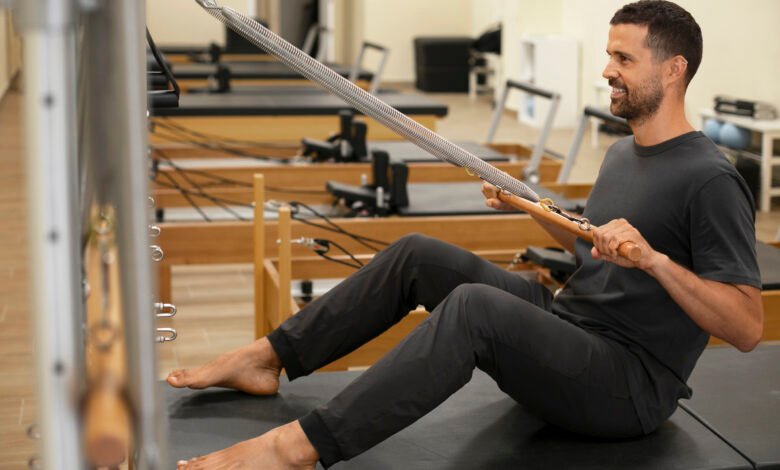
When deciding between a commercial pilates reformer and a home pilates reformer, studio owners and fitness enthusiasts must consider a variety of factors related to usage, quality, and investment. The pilates reformer is an essential piece of equipment designed to enhance pilates workouts by providing resistance and support. Selecting the correct type of reformer machine depends on specific needs and the environment in which it will be used.
Commercial pilates reformers are specifically engineered for environments with frequent use, such as studios and gyms. They are built to withstand heavier wear and tear while maintaining high performance and durability. For those interested in investing in reliable, durable equipment, exploring options of commercial pilates reformer models is a crucial first step.
Understanding the Commercial Pilates Reformer
The commercial pilates reformer is designed with robust materials and enhanced functionalities to accommodate multiple users daily. These reformers typically feature reinforced frames, smooth gliding carriages, adjustable springs with varying resistance levels, and ergonomic padding to ensure user comfort and safety. Their construction often exceeds industry standards for equipment used in commercial fitness facilities.
In addition to their heavy-duty build, commercial reformers often come with advanced features such as adjustable foot bars and headrests, compatibility with various accessories, and intuitive design for ease of use and maintenance. These qualities make them a preferred choice for pilates studios and professional instructors requiring reliable daily performance.
Characteristics of Home Pilates Reformers
Contrastingly, home pilates reformers are designed with the individual user in mind, usually emphasizing compactness, lighter weight, and affordability. These machines are suitable for less frequent use and are often foldable or easier to store within limited spaces. Users working out at home may prioritise simplicity and portability over the enhanced durability and advanced features found in commercial models.
While home reformers still provide the fundamental benefits of pilates training, they are generally made from lighter materials and may have fewer resistance levels. As a result, these machines may not sustain intensive, repeated use as effectively as their commercial counterparts over time.
Comparing Durability and Build Quality
Durability represents a core distinction between commercial and home reformer machines. Commercial reformers are constructed using high-grade metals such as stainless steel or reinforced aluminium, which confer stability and resilience. The materials and construction techniques are selected to endure high traffic, daily cleaning, and consistent adjustments made by various users.
By contrast, home reformers often utilise lighter metals or composite materials that, while adequate for personal use, might lack the same longevity when subjected to frequent high-intensity use. Studio owners should consider how the equipment will be employed before choosing equipment to ensure cost-effectiveness and client safety.
Functionality and User Experience
Functionality is another critical factor distinguishing commercial and home pilates reformers. Commercial models offer finer adjustments for resistance and positioning, accommodating a wider range of body types and exercise intensities. These refinements enhance usability for clients with diverse fitness levels and rehabilitation needs.
Home reformers are typically designed with straightforward controls and fewer interchangeable parts to simplify operation for personal use. While sufficient for basic workouts, they might not meet the nuanced requirements of professional pilates instructors aiming to deliver highly customised sessions.
Cost Considerations
Price points generally reflect the differences in build quality, features, and intended usage. Commercial pilates reformers tend to be significantly more expensive, reflecting their robust construction, advanced functionality, and extended warranty coverage. Studio owners often treat these purchases as long-term investments in their business infrastructure.
Home reformers offer a budget-friendly alternative but may require replacement or repairs sooner due to lighter use standards. Buyers should weigh the initial savings against the expected lifespan and performance demands.
Maintenance and Warranty
Maintenance protocols vary according to the equipment type. Commercial pilates reformers are designed for easy access to parts that may require regular inspection or replacement, such as springs, straps, and rollers. Manufacturers often provide comprehensive warranty and service agreements to minimise downtime.
Home reformers usually have simpler maintenance needs but might not include extensive support services. These devices require user vigilance to ensure longevity, including proper storage and routine cleaning.
Space Requirements and Portability
Space is a practical consideration when selecting pilates equipment. Commercial pilates reformers typically occupy more floor space to accommodate stability features and extra adjustments. Studios generally allocate dedicated areas for reformer stations to facilitate multiple clients and instructors operating simultaneously.
Home reformers place greater emphasis on compact design and portability, suitable for smaller living spaces. Many models feature foldable or lightweight constructions to enable storage flexibility.
Exploring Equipment Options
Prospective buyers should explore varying options within both categories to identify reformer machines that best align with their needs. The range of commercial pilates reformers offers different designs, spring configurations, and accessory compatibility to optimise studio offerings.
Similarly, those seeking home reformers should consider user reviews, product specifications, and whether the equipment supports the desired pilates routines and intensity. For comprehensive selections and comparisons, referencing a reliable supplier is advisable.
Where to Purchase Quality Pilates Reformers
Purchasing decisions should be informed by product quality, supplier reliability, and after-sale services. Companies specialising in pilates studio equipment often provide detailed product information and guidance to assist customers in selecting the appropriate reformer machine.
The availability of both commercial and home reformers at dedicated retailers ensures access to accredited products with manufacturer warranties. Consulting with such suppliers guarantees informed purchases aligning with professional standards.
Conclusion
In summary, selecting between a commercial pilates reformer and a home pilates reformer hinges upon usage frequency, durability requirements, space availability, and budget. Studio owners are advised to consider investing in commercial pilates reformer equipment that delivers consistent performance and longevity under professional conditions. Meanwhile, individuals seeking home exercise solutions may opt for more compact and affordable reformer machine models designed for personal use.
Making an informed choice will enhance pilates training outcomes while optimising equipment value over time.
For More Information Visit: Rare Magazine