How to Style Your Hair With Less Damage: A Practical Guide to Healthier Hair Habits
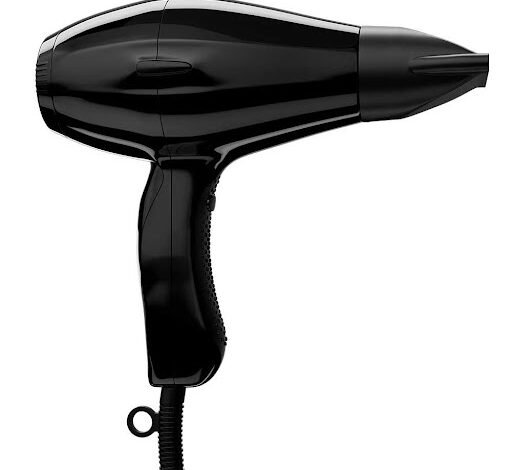
Most of us style our hair every single day—whether that’s a quick blow-dry before work, a smoothing pass with a flat iron, or a few minutes spent wrapping sections around a curling wand before heading out the door. Along the way, many people reach for a dryer, brush, or dedicated hair styler to shape, smooth, or add volume. None of these tools are inherently harmful, but repeated heat, tension, friction, or chemical treatment can slowly wear on the condition of the hair shaft. This guide isn’t about abandoning your preferred look—it’s about understanding where avoidable stress tends to creep in and adjusting your technique so your hair holds up better over the long haul. We’ll cover why damage happens in the first place, how to prepare hair before styling, smarter heat habits, ways to reduce tension, adapting your routine to your specific hair type, and recognizing when something needs professional attention.
Why Hair Becomes Damaged During Styling
It helps to separate two distinct issues here: hair-shaft damage, which affects the visible strand you can see and touch, and scalp or follicle concerns, which involve living tissue beneath the surface and may call for medical evaluation. Styling-related damage usually falls into the first category. Heat, friction from brushing or towel-drying, chemical processing, and pulling from tight styles can all contribute to dryness, split ends, roughness, or outright breakage.
It’s worth being clear-eyed about one thing: once a strand of hair is damaged, it can’t heal itself the way skin or other living tissue does. Conditioners and treatments can temporarily smooth the surface and make hair look and feel better, but they don’t actually reverse structural damage. That’s exactly why prevention matters so much.
How hair responds to styling also depends on texture, thickness, porosity, chemical history, and moisture level. The American Academy of Dermatology notes that wet hair is generally more vulnerable to breakage during handling, though tightly curled or textured hair may call for different detangling approaches depending on the method used.[1]
Picture someone who color-treats their hair regularly, reaches for a flat iron most mornings, and then pulls it into a tight ponytail for work. After a few months, they might start noticing more snapping near the ends—a sign that several stressors are piling up on top of each other. That’s a different situation from occasional frizz or dryness, which usually clears up with a lighter touch or a change in products.
Prepare Hair Before Styling
Before any heat or tool comes near your hair, a few preparatory steps can spare it some unnecessary strain. Blot excess water gently with a towel rather than rubbing vigorously, which roughs up the cuticle. When your schedule allows, let hair partially air-dry before switching to a heated tool—this shortens the time heat actually needs to finish the job.
Detangling deserves its own attention: start at the ends and work upward in small sections, using a comb or brush suited to your texture, and never force your way through a stubborn knot. Conditioner can make this process easier by cutting down on friction, but it won’t make hair immune to mechanical or thermal stress. Sectioning hair before you style also helps, since it prevents repeated passes over the same strands and allows for more even heat exposure.
Use Heat More Carefully
Use the lowest effective heat for your hair type and styling goal—the highest setting on a tool is rarely necessary and tends to raise your risk without improving the result. Chemically treated, fine, or already fragile hair generally benefits from extra caution and lower temperatures. There’s no single “safe” number that works for everyone, since tools, hair condition, and technique all vary from person to person.
Beyond temperature, contact time matters just as much. Limit repeated passes over the same section, and keep curling tools in place only briefly rather than holding them against the hair. Avoid styling wet hair with hot irons, since applying heat to damp strands can cause more damage than simply drying first.
Heat-protection products can reduce friction and ease manageability when applied evenly and according to instructions, but think of them as a supplement to good habits—not a green light to style more often or crank up the heat.
Key Takeaway: Use the lowest effective heat setting, keep tools moving rather than lingering on one spot, always dry hair before ironing, and treat heat-protection products as one part of a routine—not a substitute for lower heat and fewer sessions.
Limit Tension, Friction, and Repeated Manipulation
Tight ponytails, buns, braids, and extensions can place ongoing stress on both hair and scalp. Varying your hairstyle, securing hair comfortably rather than tightly—especially overnight or during exercise—and avoiding forceful brushing or teasing all help reduce mechanical wear. Persistent pulling in the same spot can eventually lead to traction-related thinning, which is distinct from ordinary split ends and may warrant medical attention if it continues.
Quick checklist before styling:
– Is the hair completely dry before flat-ironing or curling?
– Can the heat setting be lowered?
– Am I passing over the same section repeatedly?
– Is the hairstyle pulling at the scalp?
– Could a heat-free option replace this session?
– Is there new breakage, thinning, or scalp discomfort?
Adapt the Routine to Hair Condition and Texture
Fine hair, coarse hair, curly or tightly textured hair, and chemically processed hair all respond differently to the same technique, which is why a one-size-fits-all routine rarely works well. Hair that looks healthy on the surface can still be structurally weakened underneath, so appearance alone isn’t a reliable gauge. It’s worth trying to avoid stacking multiple stressors at once—frequent coloring, high heat, and tight styling together—since their effects tend to compound.
At a structural level, the hair’s outer layer, called the cuticle, acts as a protective shield. Repeated thermal and mechanical stress can roughen or lift this layer, leaving hair more prone to catching, frizzing, and breaking.
Recognize Warning Signs and Know When to Seek Advice
Watch for persistent breakage or hair loss, including an uptick in split ends, snapping, rough or severely dry texture, short broken hairs clustered around high-tension areas, or scalp pain, redness, and scaling. Hair breakage and hair loss stem from different causes, so it’s worth learning to tell them apart. If thinning or shedding is sudden, worsening, accompanied by scalp symptoms, or doesn’t ease up after you’ve backed off on styling stress, a dermatologist or qualified healthcare provider can offer a real assessment rather than leaving you to guess.
A Simple Lower-Damage Styling Routine
- Wash and condition according to your hair and scalp’s needs
- Gently blot out excess water
- Detangle carefully, working from ends to roots
- Allow partial air-drying when possible
- Apply styling or protective products as directed
- Work in manageable sections
- Use the lowest effective heat and fewest passes
- Finish with a comfortable, low-tension style
- Schedule occasional heat-free days
Make the Routine Sustainable
Reducing damage really comes down to consistent habits rather than any single product or device. Handle hair gently, cut back on heat and contact time, avoid constant tension, and adjust your approach to match your hair’s actual condition—not just how it looks on a given day. Pay attention to how your hair and scalp respond over time, and adjust accordingly. Rather than overhauling your entire routine at once, pick one high-stress habit—lowering your tool’s temperature, cutting down repeated passes, or loosening a tight style—and start there.
References: [1][2] American Academy of Dermatology, general guidance on hair care, heat styling, and wet-hair handling.