Does Artificial Grass Get Too Hot in Summer UK
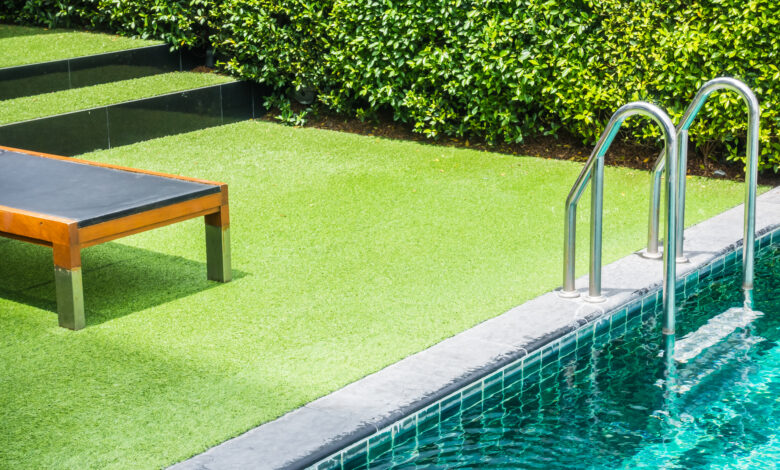
Artificial grass is a popular choice for homeowners across the UK because it stays neat, green, and low maintenance throughout the year. It removes a lot of the usual garden work, which is why so many people now see it as a practical alternative to natural turf. But when warmer weather arrives, one question tends to come up more often than any other: does artificial grass get too hot in summer in the UK?
The short answer is yes, it can warm up in direct sunlight. But in most cases, it does not become an unmanageable problem. In the UK, summer temperatures are usually moderate compared to hotter parts of the world, so while artificial grass can feel warmer than natural grass, it is often still perfectly usable with the right expectations and a few simple adjustments.
For families with children, pet owners, or anyone planning to spend more time outdoors, it helps to understand why artificial grass heats up, what affects it most, and how to keep it more comfortable during the hottest parts of the day.
Why Artificial Grass Gets Warm in Summer
Artificial grass is made from synthetic fibres, and like many man-made outdoor surfaces, those fibres absorb heat from sunlight. Natural grass tends to stay cooler because it contains moisture and benefits from natural evaporation. Artificial turf does not have that same cooling ability, so when it sits in full sun for several hours, the surface temperature rises.
That said, there is a difference between grass getting warm and grass becoming too hot to use. On a normal British summer day, many lawns will simply feel warm underfoot rather than overly hot. During a heatwave or in a very exposed garden, the turf may become less comfortable in the middle of the day, especially for bare feet or paws.
This is one reason why homeowners often search whether artificial grass gets hot in summer, especially before deciding which product to buy. It is a sensible question, but the answer depends just as much on the garden itself as it does on the turf.
Is Artificial Grass Hotter Than Natural Grass?
In most cases, yes. Natural grass usually feels cooler because the soil and grass blades release moisture into the air. That natural process helps regulate temperature. Artificial grass does not do that, so it can hold onto warmth for longer once the sun has been on it.
Still, it is worth remembering that artificial grass is not usually the hottest surface in the garden. Patios, composite decking, paving slabs, and concrete often become hotter than the lawn itself. So while artificial grass may be warmer than real grass, it is not automatically the most uncomfortable surface outdoors.
For many homeowners, this makes the issue easier to manage. It becomes less about avoiding artificial grass and more about using the right product and designing the space wisely.
Does the UK Climate Change the Answer?
Yes, and this matters a lot.
A lot of online advice on this topic comes from countries with far more intense summers than the UK. In those places, artificial grass may be exposed to prolonged extreme temperatures that most British gardens simply do not experience. In the UK, the weather is usually milder, and long periods of intense sun are less common.
That means artificial grass in the UK is more likely to feel warm during sunny spells rather than constantly hot for weeks at a time. However, some gardens can still hold more heat than others. South-facing gardens, enclosed spaces, small courtyards, and areas surrounded by brick walls or reflective glass can all make the surface feel hotter.
This is especially relevant for households comparing products in places like artificial grass Cardiff, where garden layout, sunlight exposure, and surrounding materials can affect how the turf performs just as much as the weather itself.
What Affects How Hot Artificial Grass Feels?
Not every artificial lawn behaves in the same way. Several factors influence how much heat builds up on the surface.
Colour of the grass
Darker green shades tend to absorb more heat than lighter, more natural-looking colour blends. If your garden gets strong sun for most of the day, choosing a lighter shade may help a little.
Quality of the fibres
Higher-quality artificial grass is often made with better materials and UV-stable fibres. While no artificial turf stays completely cool in direct sunlight, better products usually perform more reliably over time and are designed for outdoor conditions.
Pile height and density
Very dense grass with longer blades can hold heat more than a more balanced pile. That does not mean shorter is always better, but it is something to consider if heat is one of your main concerns.
Installation quality
A properly prepared base, good drainage, and correct fitting can all help overall performance. Poor installation may lead to trapped heat and reduced airflow.
The area around the lawn
This is often overlooked. Dark paving, walls, fencing, and glass doors can all reflect or trap warmth around the grass. In some gardens, the surrounding hard landscaping contributes just as much heat as the turf itself.
How to Keep Artificial Grass More Comfortable
The good news is that a few simple measures can make a noticeable difference during warmer weather.
Use water when needed
A light rinse with a garden hose can cool the surface quickly. This is especially useful before children go outside to play or before pets use the lawn on hotter afternoons.
Add shade where possible
Pergolas, umbrellas, shade sails, and even strategic planting can reduce direct sunlight and lower surface temperature naturally. Even part-time shade during peak afternoon hours helps.
Choose the right grass from the start
If you are buying new artificial turf, look at quality, fibre type, colour blend, and the suitability of the range for sunny gardens. A cheaper product may save money at first, but performance in warm weather can be less reliable.
Keep the lawn maintained
Regular brushing keeps the fibres upright and improves airflow. Clearing debris also helps the lawn stay fresher and function better over time.
Think about the full garden design
If the lawn sits between dark paving and tall walls, the whole space may become hotter. In many cases, improving the surrounding design helps just as much as changing the turf.
Is Artificial Grass Still Worth It in Summer?
For many UK homeowners, yes. Artificial grass still offers a long list of benefits that make it appealing, even during warmer months. It stays green in dry conditions, does not become muddy after light watering, and avoids the patchy, worn look that natural lawns can develop after heavy use.
It also works well for busy households that want a clean, tidy outdoor space without the ongoing maintenance of mowing, feeding, edging, and reseeding. As long as buyers understand that artificial grass can warm up in direct sun, there is usually no major surprise.
The key is realistic expectations. Artificial grass is not identical to real grass, especially in hot weather. But for most UK gardens, the difference is manageable and does not outweigh the practical advantages.
Final Thoughts
So, does artificial grass get too hot in summer in the UK? It can get warm, especially during strong sunshine and in exposed gardens, but for most homes it is not a major issue. The UK climate is generally mild enough that artificial grass remains a practical and attractive option for families, pet owners, and anyone who wants a low-maintenance lawn.
What matters most is choosing the right product, installing it properly, and thinking about how the garden is used during the warmest part of the day. With the right setup, artificial grass can still be comfortable, good-looking, and easy to enjoy throughout the British summer.