Best Indonesian Wooden Outdoor Furniture Brands Worth Sourcing in 2026
For furniture retailers and importers, sourcing the right product starts long before it reaches the shop floor. Your customers, whether hospitality buyers, landscape architects, or homeowners with serious outdoor projects, are increasingly demanding solid wood pieces that perform and last. Indonesia has quietly become the go-to source for manufacturers who can actually deliver on both counts.
Indonesia has built a global reputation as one of the world’s leading producers of high-quality solid wood furniture, particularly in teak and mahogany. The combination of raw material access, skilled artisanship, and competitive factory-direct pricing has made Indonesian manufacturers the preferred source for retailers, importers, and hospitality groups across Europe and the UK. Among those manufacturers, MPP Furniture stands out as a factory-direct option that specialises in export-ready wooden furniture for B2B buyers.
But before committing to a sourcing relationship, it helps to understand what makes Indonesian outdoor furniture worth the investment and what to look for when evaluating manufacturers.
Why Indonesian Wood Is the Gold Standard for Outdoor Furniture
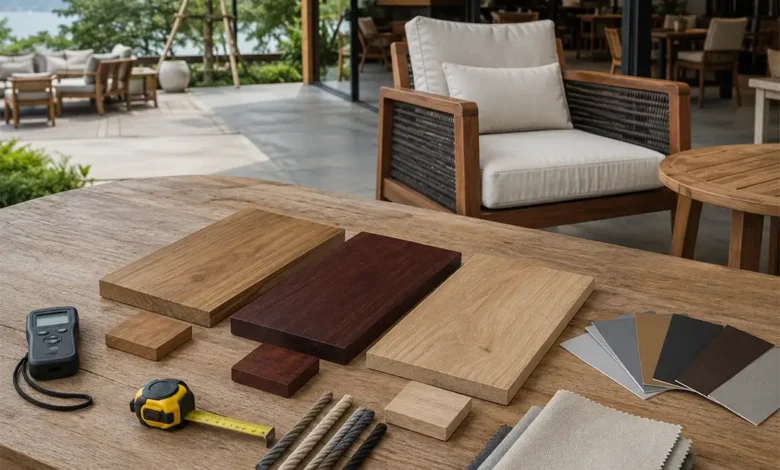
The material story starts with teak (Tectona grandis), which grows abundantly across Java and other Indonesian islands. Teak’s natural oil content makes it inherently resistant to moisture, UV exposure, and insects, all properties that are critical for any furniture exposed to the elements. Unlike treated softwoods that degrade over time, high-quality teak actually develops a beautiful silver-grey patina if left untreated outdoors, a characteristic prized by many designers.
Mahogany and sungkai are also widely used in Indonesian outdoor production. Mahogany offers a rich, deep grain that suits more decorative outdoor settings, while sungkai provides a lighter-weight option that remains structurally sound for garden and patio use. When sourced from properly managed plantations, all three materials carry strong sustainability credentials.
The key differentiator between a reliable Indonesian supplier and a mediocre one comes down to the drying process. Kiln-dried wood, where moisture content is controlled before production, is essential for preventing warping, cracking, and joint failure in outdoor conditions. Buyers should always confirm whether a manufacturer uses kiln-drying as standard practice, not just a selling point.
What B2B Buyers Should Look for in an Indonesian Outdoor Furniture Manufacturer
Sourcing outdoor furniture from overseas involves more variables than a domestic purchase. Here is a practical checklist that helps procurement teams and retail buyers make the right call.
- In-house production vs. trading
Many “manufacturers” are actually traders who outsource production, which introduces quality inconsistency across batches. A genuine factory-direct supplier offers full production visibility, from raw material intake to finishing and packaging. This matters enormously when ordering in volume and needing batch-to-batch consistency.
- OEM and private label capability
Furniture retailers and hospitality groups often want branded or customised pieces. Manufacturers who offer OEM (Original Equipment Manufacturing) and private label services allow buyers to specify dimensions, finishes, materials, and branding, which is a significant advantage for building a differentiated product range.
- Finishing systems designed for outdoor use
The finishing system, meaning the oils, lacquers, or paints applied to the wood, determines how the furniture performs over years of outdoor exposure. Outdoor-grade finishing should include UV inhibitors and be applied with consistent sanding grades to ensure durability. Ask suppliers to specify their finishing process and whether it is applied in controlled indoor conditions.
- Export experience and documentation
For UK and European buyers, compliance with import documentation, phytosanitary certificates, and packaging standards is non-negotiable. Experienced exporters handle this as a routine part of production; newer or less organised suppliers may create delays at customs.
The Case for Wooden Outdoor Furniture in Commercial Settings
The hospitality sector (hotels, restaurants, and rental properties) represents one of the most consistent and high-volume customer segments for outdoor furniture retailers. These end-buyers demand pieces that withstand heavy daily use, require minimal maintenance, and look consistent across multiple units.
Stocking Indonesian wooden outdoor furniture built to commercial-grade standards means you’re positioned to serve exactly this segment, with a durability profile that synthetic or softwood alternatives simply cannot match.
When evaluating manufacturers to supply your commercial clients, look for those who understand commercial-grade construction: reinforced joinery (mortise and tenon or through-bolt systems, not dowels), frame sizing that accommodates different user profiles, and finishing that can be touched up or re-oiled in the field without stripping the entire piece, a key selling point for hospitality procurement teams.
Lead time is an important factor to communicate to your commercial clients. Custom orders from Indonesian factories typically require 60 to 90 days from order confirmation to shipment, depending on volume and complexity. As a retailer or importer, building a relationship with a reliable manufacturer early allows you to lock in production schedules and ensure your clients’ projects are never held up by availability gaps during peak seasons.
Choosing the Right Pieces: Outdoor Dining vs. Lounge Collections
Understanding how these two categories sell differently helps retailers make smarter stocking decisions and have more informed conversations with their commercial and residential clients.
Outdoor dining furniture (tables, chairs, and bar stools) is the higher-turnover category for commercial buyers. Pieces need to be stackable or easy to rearrange, durable enough for repeated handling, and comfortable for extended seated meals. Teak outdoor dining chairs with a classic slatted back or woven seat are perennially popular in European hospitality design.
Patio and lounge furniture (sofas, occasional chairs, and coffee tables) tends to attract more design-forward buyers. These pieces stay in position longer, which allows for bolder material combinations: solid teak frames with rope weaving, HDPE plastic weave, or polypeel finishes are all popular in current outdoor design. This category also benefits most from customisation options, since buyers often want specific colorways or material combinations to match an overall design brief.
A Practical Note on Pricing and Sourcing Expectations
Indonesian wooden outdoor furniture is not the cheapest option on the market, and it was never meant to be. For retailers, that’s actually part of the proposition: the selling story around longevity, quality consistency, and customisation capability is compelling to customers who understand total cost of ownership. These are not pieces that need replacing after two seasons, which makes them easier to sell at a meaningful margin.
Factory-direct pricing from a manufacturer like MPP Furniture removes the trader margin that typically inflates cost in multi-step supply chains. For buyers ordering in container volumes, the price-to-quality ratio is hard to match from European domestic production.
For first-time importers, it is worth starting with a sample order before committing to full container quantities. A good manufacturer will accommodate sample requests and provide clear lead times and shipping options, allowing buyers to assess quality firsthand before scaling the relationship.
Final Thoughts
The global market for outdoor furniture continues to grow, driven by demand from hospitality, residential renovation, and the wider trend toward bringing living spaces outdoors. Indonesia remains one of the most reliable and competitive sources for high-quality solid wood outdoor furniture, and the manufacturers who invest in proper kiln-drying, consistent finishing, and export-ready production are the ones worth building long-term sourcing relationships with.
For buyers ready to explore options in this category, whether for retail, hospitality, or custom projects, the key is to go direct to the factory, ask the right questions about materials and process, and request samples before committing to scale.