Classic Muscle Cars Reimagined: Performance, Preservation, and the Modern Revival
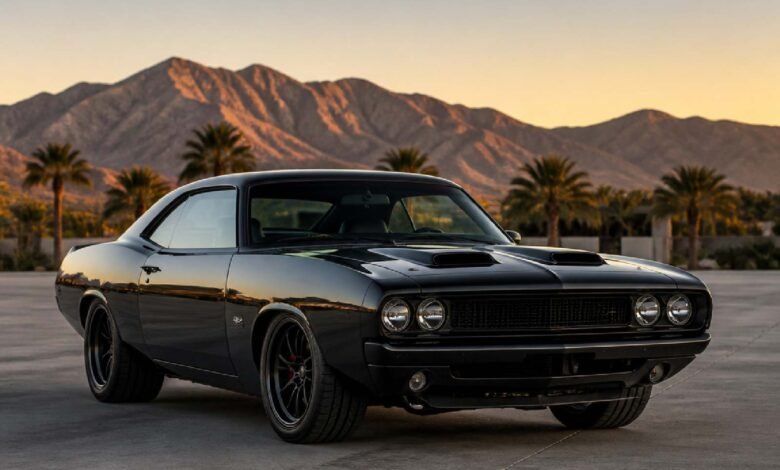
Few automotive categories stir the soul quite like the American muscle car. Born from an era of unbridled horsepower ambitions and bold styling, these machines defined a generation and continue to captivate enthusiasts decades later. Today, a fascinating intersection exists between honoring that golden age of Detroit iron and embracing the engineering advancements of the 21st century. Whether you are a lifelong collector, a weekend driver, or someone discovering these legends for the first time, understanding the landscape of classic muscle — both original and reimagined — is essential to appreciating what makes these vehicles so enduring.
The Golden Era That Never Really Ended
The muscle car era, broadly spanning the late 1950s through the early 1970s, produced some of the most iconic vehicles in automotive history. The Ford Mustang, Shelby GT500, Chevrolet Camaro, and Dodge Charger were not merely transportation — they were cultural statements. Manufacturers competed fiercely to pack the largest, most powerful engines into relatively affordable platforms, creating a performance arms race that thrilled buyers and terrified insurance companies in equal measure.
What is remarkable is that this era’s influence has never faded. Auction prices for pristine examples continue to climb. Restoration shops remain busy. And a new generation of builders has emerged, asking a compelling question: what if you could have the authentic look and feel of a 1960s Mustang or Shelby, but with the reliability, safety, and performance of a modern automobile? That question has given rise to an entirely new segment of the collector car world.
Modern Muscle: Carrying the Torch Forward
Contemporary automakers have not ignored the muscle car legacy. Ford, Chevrolet, and Dodge have all produced modern interpretations of their legendary nameplates, blending retro styling cues with current technology. These vehicles offer impressive performance figures, advanced safety systems, and daily drivability that their ancestors simply could not match. For enthusiasts who want to explore the full spectrum of what modern muscle looks like today, there is an excellent overview of top modern muscle cars that highlights how far the segment has evolved while remaining true to its roots.
The appeal of modern muscle lies in its accessibility. You can purchase a new Mustang GT or Dodge Challenger and drive it to work on Monday, then take it to a track day on Saturday. The engineering refinement means that 400-plus horsepower is now manageable for a broad range of drivers, not just seasoned performance enthusiasts. Fuel injection, electronic stability control, and advanced suspension tuning have transformed what was once a raw, sometimes unruly experience into something far more approachable — without sacrificing the visceral thrill that defines the genre.
The Challenge of Maintaining Classic Performance Vehicles
Owning a classic muscle car, however, is a different proposition entirely. Original vehicles from the 1960s and early 1970s require dedicated maintenance, a deep understanding of period-correct components, and a tolerance for the occasional mechanical surprise. Cooling systems, in particular, are a common concern with older engines. Seasonal temperature changes can expose vulnerabilities in aging gaskets, hoses, and seals — issues that are not unique to American iron. For example, understanding why oil and coolant leaks become more prevalent in summer heat offers valuable insight into how thermal expansion and aging materials interact — lessons that apply equally to classic American V8s operating in warm climates.
Proactive maintenance is the cornerstone of keeping any vintage performance vehicle on the road. Regular inspection of cooling system components, timely replacement of rubber seals and gaskets, and careful attention to oil levels and quality can prevent the kind of catastrophic failures that sideline beloved classics for months at a time. For collectors who have invested significantly in their vehicles, preventive care is not optional — it is the price of admission for long-term enjoyment.
The Reimagined Classic: A New Category Emerges
Between the original classics and the modern factory muscle cars lies a fascinating middle ground: the reimagined classic. These are vehicles that retain the authentic body, styling, and character of their original counterparts but are rebuilt from the ground up with contemporary mechanical components. The result is a car that looks and feels like a piece of automotive history but drives with the confidence and reliability of a modern machine.
Revology Cars has established itself as a premier builder in this space, specializing in meticulously crafted reproductions of iconic Ford Mustangs and Shelby models from the 1960s. Each vehicle is built using modern powertrains, updated suspension geometry, and contemporary safety features, all wrapped in period-correct bodywork that is virtually indistinguishable from the originals. The company’s approach bridges the emotional connection enthusiasts have with classic muscle and the practical demands of modern driving.
Why Reimagined Classics Appeal to a New Generation
The reimagined classic concept resonates strongly with buyers who grew up admiring these cars but were deterred by the complexity and cost of maintaining an original. A vehicle that combines authentic aesthetics with modern reliability removes the primary barrier to ownership. You get the chrome, the fastback roofline, the rumble of a properly tuned V8 — without the anxiety of wondering whether the cooling system will hold up on a summer afternoon drive.
There is also a generational dimension at play. Younger collectors, many of whom have grown up with technologically sophisticated vehicles, expect a certain baseline of performance and reliability. The idea of a car that requires constant mechanical attention, while romantic in theory, is often impractical for busy modern lifestyles. Reimagined classics offer a compelling solution: the heritage without the headaches.
Collecting, Investing, and the Future of Muscle
The collector car market has demonstrated remarkable resilience, with well-documented examples of iconic muscle cars appreciating significantly over the past two decades. Original, numbers-matching examples of rare Shelbys and high-option Mustangs command prices that would have seemed extraordinary even fifteen years ago. This appreciation has drawn not only passionate enthusiasts but also investors who recognize the asset value of significant automotive history.
Reimagined classics occupy an interesting position in this ecosystem. While they may not carry the same provenance as a documented original, their quality of construction, modern reliability, and limited production numbers give them their own form of collectibility. As the pool of pristine original examples continues to shrink — through accidents, neglect, and the simple passage of time — high-quality reproductions and reimagined builds may become increasingly valued in their own right.
Conclusion: The Muscle Car Legacy Lives On
The American muscle car is more than a vehicle category — it is a living piece of cultural history that continues to evolve. From the raw originals of the 1960s to the technologically advanced modern factory muscle cars, and from the carefully maintained survivors to the thoughtfully reimagined new builds, the passion for these machines shows no sign of diminishing. Whether you are drawn to the authenticity of an original, the accessibility of a modern interpretation, or the best-of-both-worlds appeal of a reimagined classic, the muscle car world has something profound to offer. The roar of a well-tuned V8, the sight of a long hood stretching ahead of you, and the feeling of genuine mechanical connection — these are experiences that no amount of digital sophistication can fully replicate, and that is precisely why they endure.
For More Information Visit: Rare Magazine