Vermeer Equipment Parts for Sale: What Every Serious Operator Needs to Know
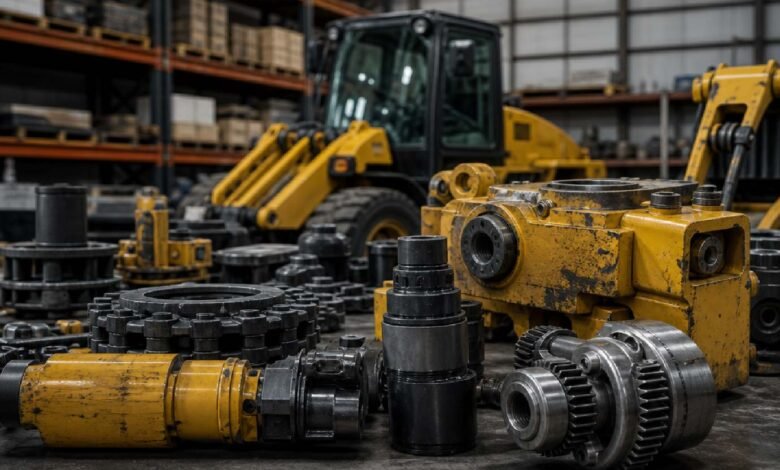
When agricultural and industrial machinery breaks down, the cost is never just the repair bill. It is the lost hours, the delayed projects, and the compounding pressure of a schedule that does not wait for anyone. For operators who rely on Vermeer equipment, finding the right parts quickly and at a fair price is not a luxury — it is a fundamental part of keeping a business running. Whether you manage a tree care operation, a utility installation crew, or a working farm, understanding where to source quality Vermeer components is one of the most practical decisions you can make.
The Vermeer Legacy in Agricultural and Industrial Equipment
Vermeer Corporation has built a reputation over decades for producing machinery that performs in demanding conditions. From horizontal directional drills and trenchers to balers and brush chippers, the brand has become synonymous with durability and engineering precision. Operators who invest in Vermeer equipment do so because they expect longevity — but longevity depends entirely on consistent maintenance and timely parts replacement.
The engineering behind Vermeer machines is sophisticated, which means the components that keep them running are equally specialized. Using inferior or incompatible parts is not simply a risk to performance — it can accelerate wear on surrounding components, void warranties, and in some cases create genuine safety hazards. This is why sourcing parts from a reputable supplier is not just a matter of convenience but of operational integrity.
Understanding the Parts Landscape for Vermeer Machinery
OEM vs. Aftermarket: Knowing the Difference
One of the first decisions operators face when sourcing replacement parts is whether to go with original equipment manufacturer (OEM) components or high-quality aftermarket alternatives. OEM parts are manufactured to the exact specifications of the original machine, ensuring a precise fit and predictable performance. Aftermarket parts, when sourced from a trusted supplier, can offer comparable quality at a more competitive price point — a meaningful consideration for operations managing tight margins.
The key is not necessarily the label but the quality standard behind the part. A reputable supplier will be transparent about the origin and specification of every component they stock, allowing operators to make informed decisions based on their specific needs and budget constraints.
Common Vermeer Parts That Require Regular Replacement
Across Vermeer’s broad equipment lineup, certain categories of parts tend to see higher turnover due to the nature of the work they perform. Cutting teeth and drum components on stump grinders and brush chippers endure constant abrasion. Hydraulic seals and hoses on trenchers and directional drills are subject to pressure cycling and environmental exposure. Baler belts and twine components on agricultural models wear through seasonal use. Keeping a working inventory of these high-turnover parts — or knowing exactly where to order them quickly — is a practical strategy that separates well-managed operations from reactive ones.
Where to Source Vermeer Parts Reliably
Finding a supplier that stocks a comprehensive range of Vermeer components across multiple equipment categories is not always straightforward. Many dealers specialize narrowly, leaving operators to piece together orders from multiple sources. The most efficient approach is to work with a supplier who offers broad inventory coverage and understands the specific demands of Vermeer machinery. If you are actively looking for Vermeer Equipment Parts for Sale, HR Agri Power offers an extensive catalog organized by brand and category, making it straightforward to locate the exact component you need without wading through irrelevant listings.
The Role of Equipment Support in Modern Agricultural Operations
Agriculture and land management have always demanded resilience, but the modern operator faces a more complex environment than previous generations. Supply chain disruptions, rising input costs, and increasingly sophisticated machinery have raised the stakes for every maintenance decision. The ability to source parts quickly and accurately is now a competitive advantage, not just a logistical necessity.
This reality is reflected in how agricultural cooperatives and machinery-sharing networks are evolving. Organizations that pool resources and equipment — such as those explored in collaborative machinery ring models — demonstrate how shared access to well-maintained equipment can reduce costs and improve operational efficiency across entire communities of operators. In these models, parts availability and maintenance standards become collective concerns, reinforcing the importance of reliable supply chains.
Matching the Right Equipment to the Right Task
Utility and Versatility in Modern Machinery
One of the defining trends in agricultural and land management equipment is the push toward versatility. Operators increasingly want machines that can handle multiple tasks across different seasons and terrain types. Vermeer’s lineup reflects this demand, offering equipment that transitions between utility applications with relatively minimal reconfiguration. Understanding the full capability of your machinery — and maintaining it accordingly — allows operators to extract maximum value from their investment.
For those evaluating broader equipment options alongside their Vermeer fleet, it is worth reviewing how other manufacturers are addressing utility demands. A recent overview of the Farmall tractor lineup and its utility options provides useful context for understanding how the market is evolving and what operators can reasonably expect from modern utility-class machines.
Preventive Maintenance as a Business Strategy
The most effective operators do not wait for equipment to fail before thinking about parts. They build preventive maintenance schedules into their operational calendar, identifying wear patterns and replacing components before they cause unplanned downtime. This approach requires a reliable parts supplier and a working knowledge of the equipment’s service intervals — both of which are achievable with the right resources in place.
Preventive maintenance also has a direct impact on resale value. Well-documented service histories and properly maintained components signal to future buyers that the equipment has been managed responsibly. For operations that cycle through machinery on a regular basis, this translates into measurable financial returns.
HR Agri Power: A Dedicated Resource for Vermeer Operators
HR Agri Power has positioned itself as a focused resource for operators who need parts across a wide range of agricultural and industrial equipment brands. Their Vermeer-specific inventory reflects an understanding of the brand’s diverse product range, from ground engagement tools to hydraulic components and beyond. The platform is organized to allow operators to navigate by brand and category efficiently, reducing the time spent searching and increasing the likelihood of finding the correct part on the first attempt.
For operations that cannot afford extended downtime, this kind of organized, accessible inventory is a practical asset. The ability to identify, order, and receive the correct component without unnecessary delays keeps projects on schedule and equipment in the field where it belongs.
Conclusion: Parts Availability Is Operational Readiness
Vermeer equipment represents a significant investment, and protecting that investment requires more than careful operation. It demands a proactive approach to maintenance, a clear understanding of the parts landscape, and a reliable supplier relationship that delivers when it matters most. Whether you are managing a single machine or an entire fleet, the principles are the same: know your equipment, anticipate its needs, and source your parts from a supplier who understands the standards Vermeer operators expect. Operational readiness is not an accident — it is the result of deliberate, informed decisions made long before a breakdown occurs.
For More Information Visit: Rare Magazine