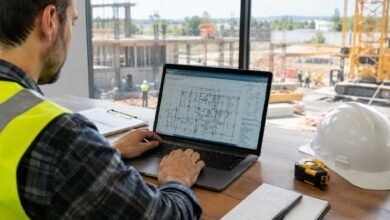
From Dream Location to Business Success: Why Commercial Property Decisions Matter

Finding the right space for your business can feel like an exciting milestone. Whether you’re opening a stylish boutique, launching a beauty salon, expanding a creative studio, or investing in your first commercial property, your premises can shape how customers experience your brand. However, behind every attractive storefront or modern office lies a series of important legal and financial decisions.
While choosing the perfect location is exciting, understanding the legal responsibilities that come with it is equally important. Working with experienced commercial property solicitors can help business owners navigate contracts, identify potential risks, and make informed property decisions.
From negotiating leases to purchasing business premises, the right legal support can make your next business move more manageable and secure.
Why Your Business Location Matters More Than You Think
A business location does more than provide somewhere to work. It influences customer accessibility, brand perception, daily operations, and future growth opportunities. For customer-facing businesses such as salons, cafés, boutiques, and wellness studios, the right premises can help attract visitors and create a memorable experience.
However, an attractive property isn’t always the most practical choice. High rental costs, limited parking, restrictive lease conditions, or unsuitable planning permissions can create unexpected challenges. Business owners need to balance visual appeal with affordability and long-term operational needs.
Before committing to premises, consider how the location supports your business model. Think about customer footfall, transport connections, nearby competitors, and the flexibility to expand. Taking time to evaluate these factors can help you avoid expensive decisions based purely on appearance.
Understanding Commercial Leases Before Signing
Leasing is a popular option for entrepreneurs who want business premises without purchasing a property outright. However, commercial leases often contain detailed conditions that can affect your finances and flexibility for several years.
One important factor is the lease length. A long-term agreement may provide stability, but it can also become restrictive if your business changes direction. Break clauses may offer an opportunity to leave early, although they often come with specific conditions and notice requirements.
Repairing responsibilities are another major consideration. Some commercial leases require tenants to cover substantial maintenance costs, even when the building is older. Rent reviews, service charges, insurance contributions, and restrictions on alterations can also increase expenses.
Understanding these obligations before signing helps you avoid unexpected financial pressure. Legal guidance can clarify complicated terms and support negotiations that better reflect your business needs.
Turning a Commercial Property Into Your Ideal Workspace
Once you’ve found suitable premises, transforming the space into something that reflects your brand can be an exciting process. From interior design and lighting to layout and signage, every detail contributes to the overall customer experience.
However, commercial property alterations aren’t always straightforward. Depending on the building and your proposed changes, you may need landlord consent, planning permission, building regulations approval, or other authorisations.
For example, converting an office into a beauty treatment studio may involve requirements relating to ventilation, plumbing, accessibility, and permitted property use. Similarly, installing new signage or changing a shopfront may require approval.
Before investing in renovations, check the property’s legal restrictions and the terms of your lease. Understanding what changes are permitted can prevent unnecessary expenses and delays.
Careful planning helps ensure your creative vision works alongside your legal responsibilities.
Buying Commercial Property as a Long-Term Investment
For established entrepreneurs, purchasing commercial premises can offer greater control over their business environment. Ownership may provide stability, reduce dependence on landlords, and create opportunities for long-term investment.
However, buying commercial property involves significant financial commitments and legal considerations. Before completing a purchase, buyers should investigate ownership rights, property boundaries, planning restrictions, and any existing agreements affecting the premises.
A property may also have environmental concerns, access limitations, or maintenance requirements that aren’t immediately obvious during a viewing. These issues can influence both its value and suitability.
Professional legal due diligence helps identify potential problems before contracts become binding. Solicitors can review documentation, coordinate searches, and work with other professionals involved in the transaction.
Although ownership can offer advantages, businesses should carefully assess financing costs, maintenance responsibilities, and future flexibility before deciding whether purchasing is preferable to leasing.
Protecting Your Business From Property-Related Disputes
Even well-planned commercial property arrangements can lead to disagreements. Disputes between landlords and tenants may involve rent payments, repairs, service charges, lease renewals, or the use of premises.
For small businesses, these problems can become particularly stressful because they may affect daily operations and available finances. A disagreement over repairs, for example, could delay renovations or create unexpected costs.
Clear contracts and open communication can help reduce misunderstandings. Business owners should keep accurate records of agreements, maintenance requests, and correspondence with landlords.
If a dispute develops, seeking legal advice early can help clarify your position and identify possible solutions. Negotiation or mediation may resolve some disagreements without court proceedings, depending on the circumstances.
Taking a proactive approach helps protect your business relationships while reducing unnecessary disruption.
Planning for Future Growth and Flexibility
Your ideal business premises today might not suit your needs in five years. A small creative studio may eventually require additional workspace, while a successful boutique could expand into multiple locations.
Considering future growth before signing a property agreement can help you avoid restrictive commitments. Review whether your lease allows alterations, subletting, assignment, or early termination, and understand any conditions attached to those options.
Businesses should also consider how relocation costs and property commitments might affect expansion plans. Moving premises can involve overlapping rent, refurbishment expenses, and operational downtime.
With careful planning and suitable legal advice, property arrangements can better support your long-term goals rather than limiting them.
Finding the perfect commercial property is an exciting step in building a successful business. Whether you’re launching your first venture, opening a new location, or investing in premises, your property decisions can influence your finances, brand identity, and future opportunities.
While design, location, and affordability deserve attention, understanding the legal details is just as important. Commercial leases, property purchases, and renovation plans all involve responsibilities that business owners should consider carefully.
By seeking professional guidance, reviewing agreements thoroughly, and planning for future growth, entrepreneurs can make more confident property decisions.
Ultimately, the right business premises should do more than look impressive. They should provide a practical, secure foundation for turning your ambitions into lasting success.
For More Information Visit: Rare Magazine