Why Outsourcing PCB Assembly Is a Smart Move for Modern Businesses
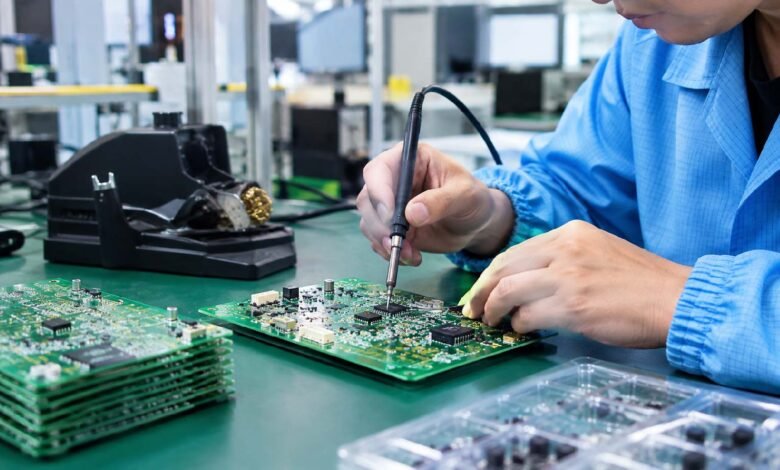
Technology plays an important role in everyday life, from smartphones and smart home devices to medical equipment and wearable technology. Behind many of these innovations lies a printed circuit board (PCB), a vital component that connects electronic parts and allows devices to function correctly.
As demand for innovative electronic products grows, businesses face increasing pressure to deliver reliable technology while managing production costs. For startups, product designers, and established manufacturers, handling every stage of electronics production internally isn’t always practical.
This is why outsourcing PCB assembly has become an attractive option for businesses looking to simplify manufacturing. By working with specialist assembly providers, companies can access technical expertise, improve production efficiency, and concentrate on developing products that meet customer expectations.
Understanding PCB Assembly and Its Importance
Printed circuit boards form the foundation of many electronic devices. They provide the electrical connections that allow components such as microchips, resistors, capacitors, and connectors to work together. Without properly assembled circuit boards, even the most innovative electronic designs cannot function reliably.
PCB assembly involves placing and attaching electronic components onto a manufactured circuit board. Depending on the design, manufacturers may use surface-mount technology (SMT), through-hole assembly, or a combination of both. Each method serves different purposes and requires suitable equipment and technical knowledge.
Accurate assembly is essential because incorrectly positioned components, poor solder joints, or unsuitable materials can affect performance. Professional assembly processes help manufacturers achieve consistent results while reducing the risk of defects.
For businesses developing electronic products, reliable PCB assembly supports product quality, customer satisfaction, and long-term brand reputation.
Why More Businesses Are Outsourcing Electronics Manufacturing
Producing circuit boards internally requires more than purchasing basic equipment. Businesses may need specialised machinery, skilled technicians, testing facilities, and controlled production processes. Maintaining these resources can become expensive, particularly for companies producing smaller quantities or frequently changing designs.
Outsourcing allows businesses to access established manufacturing capabilities without making the same level of investment in equipment and facilities. Specialist providers already work with assembly processes and can help companies manage different production requirements.
Another advantage is flexibility. A startup developing its first electronic product may initially need a small prototype batch. As demand increases, production requirements can change significantly. An experienced assembly partner may be able to support this transition, depending on its capacity and capabilities.
By reducing the need to manage every manufacturing activity internally, businesses can devote more attention to product development, marketing, customer service, and future innovation.
How Outsourcing Can Improve Product Quality
Quality is one of the most important considerations in electronics manufacturing. Even minor assembly errors can create performance problems, particularly in products containing complex circuits or sensitive components.
Specialist PCB assembly providers may use automated placement equipment, controlled soldering processes, and inspection systems to improve consistency. Depending on the service offered, quality checks can include automated optical inspection, electrical testing, and functional testing.
These processes help identify potential defects before assembled boards move into the next production stage. However, businesses should confirm which inspection and testing services a provider actually offers rather than assuming every supplier follows identical procedures.
Clear technical documentation also supports better results. Accurate bills of materials, assembly drawings, component specifications, and design files help reduce misunderstandings during manufacturing.
When businesses and assembly partners communicate effectively, they can address potential production challenges earlier and improve the reliability of finished products.
Managing Costs Without Compromising Performance
Cost management is a major reason businesses consider outsourcing PCB assembly. Establishing an internal assembly operation involves equipment purchases, employee training, maintenance, and ongoing operational expenses.
Working with an external provider can convert some of these fixed costs into project-based manufacturing expenses. This approach may be particularly useful for businesses with changing production volumes or limited manufacturing requirements.
However, the lowest quotation doesn’t always provide the best value. Component sourcing, testing requirements, delivery schedules, and quality expectations can all influence the final cost of a project.
Businesses should request detailed quotations and clarify what services are included. For example, some providers may offer component procurement and testing, while others focus primarily on assembly.
Comparing total project costs rather than assembly prices alone helps businesses make informed decisions and avoid unexpected expenses.
Supporting Innovation and Faster Product Development
Bringing a new electronic product to market involves several stages, including design, prototyping, testing, and production. Delays during any stage can affect launch schedules and increase development costs.
Working with an experienced PCB assembly provider can help businesses identify manufacturing considerations during the design process. For example, component placement, board layout, and material selection can influence how efficiently a product can be assembled.
Early discussions about design for manufacture can reduce the likelihood of unnecessary revisions once production begins. Prototype assembly also gives product developers an opportunity to evaluate functionality before committing to larger manufacturing quantities.
Outsourcing doesn’t automatically guarantee faster production, as lead times depend on component availability, design complexity, and supplier capacity. Nevertheless, effective collaboration can help businesses establish realistic schedules and manage development more efficiently.
This flexibility is particularly valuable for technology startups and companies regularly introducing new products.
Choosing the Right PCB Assembly Partner
Selecting an assembly provider requires careful consideration of technical capabilities, communication, and quality procedures. Different electronic products have different manufacturing requirements, so businesses should look for a supplier whose experience matches their project.
Start by discussing the complexity of your circuit boards, expected production quantities, component types, and testing needs. Ask whether the provider supports prototypes, smaller batches, or larger production runs where relevant.
Quality assurance is another important factor. Businesses should understand how assembled boards are inspected, what testing options are available, and how the supplier handles potential defects.
Communication also matters throughout the manufacturing process. A responsive partner can help clarify specifications, discuss component substitutions, and provide updates when production challenges arise.
Establishing clear expectations around pricing, delivery, documentation, and quality can create a stronger working relationship.
As electronic products become increasingly important across industries, businesses need manufacturing solutions that balance quality, efficiency, and affordability. PCB assembly is a specialised process, and managing it internally may not always be the most practical approach.
Outsourcing offers businesses an opportunity to access technical expertise, reduce certain operational costs, and focus more resources on product innovation. However, successful results depend on selecting a suitable provider, preparing accurate documentation, and maintaining clear communication.
Whether developing a new wearable device, creating smart home technology, or manufacturing industrial electronics, a dependable PCB assembly relationship can support smoother production and consistent product quality.
Ultimately, choosing the right manufacturing approach allows businesses to spend less time managing production challenges and more time creating technology that customers genuinely value.
For More Information Visit: Rare Magazine