Handling Unexpected Dental Emergencies Quickly
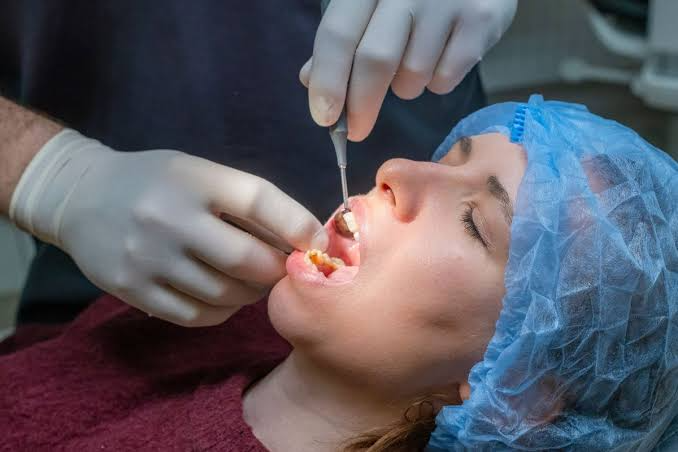
Many people look for quick help when they face a sudden toothache or mouth injury. Dental pain and injuries can get worse fast, and prompt care can save a tooth. This post gives clear steps for first aid, what to put in an emergency kit, and when to see a dentist.
Read on to learn fast, easy actions.
Common Dental Emergencies and Immediate Steps
Dental emergencies can happen at any time. Knowing what to do right away can make a big difference in your comfort and health.
Severe Toothache
A severe toothache can signal a serious problem. Act fast to limit pain and stop damage.
- Identify sudden, sharp, or throbbing toothache pain and note if fever or facial swelling occurs; these signs may point to infection and need urgent dental care.
- Rinse your mouth with warm salt water to clean the area and reduce bacteria that worsen infection; spit the rinse out after 30 seconds.
- Take an over-the-counter pain reliever such as ibuprofen or acetaminophen, following the label dose for adults or children; this helps pain management until you reach a dental clinic.
- Apply a cold compress to the cheek for 15 minutes on and 15 minutes off to reduce swelling and ease nerve pain near the tooth.
- Avoid very hot, cold, or sweet foods that can spike pain and irritate exposed nerve tissue in a damaged tooth.
- Try a topical oral anesthetic gel on the sore spot for short relief, but do not use on children under two years without medical advice.
- If you notice pus, increasing swelling, high fever, or trouble breathing or swallowing, seek emergency dentistry or go to the ER right away because the infection can spread fast.
- Call your dentist as soon as possible, describe symptoms, list any medications you take, and ask for next available urgent treatment to prevent extraction or worsening infection.
Knocked-Out Tooth
Next, oral trauma can go beyond sharp pain. A knocked-out tooth needs very fast action.
- Act fast, seek emergency dentistry within 30 minutes for the best chance to save the tooth.
- Find the tooth and pick it up by the crown, not the root, to avoid damaging root cells.
- Rinse gently with milk or saline if dirty, do not scrub and avoid soap that can harm cells.
- Try to reinsert the tooth into the socket if you can do so without force, then hold it in place.
- Store the tooth in cold milk or in the mouth between cheek and gum if reinsertion is impossible.
- Control bleeding with clean gauze and firm pressure for 10 minutes or until it slows.
- Take over-the-counter pain relief for pain management, following the drug label directions.
- Call your dental clinic immediately and tell them you have a tooth loss emergency.
- Expect X-rays and possible extraction or reimplantation once you reach the office.
- Follow post-treatment instructions for oral hygiene, swelling control, and infection prevention.
Chipped or Broken Tooth
Act fast. You can limit damage with quick care.
- Look for bleeding and pain, and rinse your mouth with warm water to clear debris and reduce infection risk; apply gentle pressure with clean gauze if bleeding continues, and use cold packs on the cheek to reduce swelling and pain.
- Save any tooth fragments and place them in a clean container with milk or saliva to keep them moist, as fragments may help a dentist repair the tooth or bond a crown in emergency dentistry.
If the pain persists or worsens, it’s essential to contact an emergency dentist in Astoria as soon as possible.
- Avoid biting on the damaged tooth and do not use the injured area to chew, which can worsen the crack, increase pain, or cause a full fracture that leads to extraction.
- Take over-the-counter pain relievers for toothache relief, following package directions, and use cold compresses for swelling control; call your dental clinic if pain or swelling worsens despite first aid.
- Cover sharp edges with dental wax or sugar-free gum to protect your tongue and cheek until you reach a dentist, and keep the area clean with gentle brushing to support oral hygiene.
- Seek urgent dental care the same day for deep cracks, intense pain, visible pulp, or if the tooth feels loose, since prompt professional treatment can prevent infection and tooth loss.
- Expect the dentist to evaluate nerve damage, take X-rays, and discuss options such as bonding, crowns, root canal treatment, or extraction, depending on the severity of the tooth injury.
- Use a mouthguard during sports and avoid hard foods to help prevent future oral trauma and lower the chance of needing emergency treatment for a chipped tooth.
No IMPORTANT FACTS were provided to include, see the next heading for guidance on lost fillings and crowns.
Lost Filling or Crown
A lost filling or crown can cause pain and sensitivity. Quick action may help relieve discomfort and cause pain.
- Check the area for any remaining pieces of the filling or crown. Gather these bits if possible, as they may be helpful during your dental visit.
- Clean the affected area gently with warm water. This can help remove food particles and reduce the chance of infection.
- Use dental wax or sugar-free gum to cover the tooth temporarily. This can offer some protection until you see a dentist.
- Avoid hard or sticky foods. These could worsen the situation or cause more damage to your tooth.
- Take over-the-counter pain relief medication if needed. Ibuprofen or acetaminophen can help manage your pain.
- Contact your dentist as soon as possible; do not wait too long to seek professional care. Make an appointment for urgent dental treatment.
- Keep watch for signs of infection such as swelling, redness, or pus in the area. If you notice these symptoms, inform your dentist right away.
Abscess or Infection
A dental abscess happens when bacteria infect the tooth or gums. Pain can be severe, and swelling may occur.
- Look for signs of an abscess. Symptoms include sharp pain, swelling, and redness. A fever might also develop.
- Rinse your mouth with warm salt water. This can help reduce pain and keep the area clean.
- Take over-the-counter pain relief medicine. Common options are ibuprofen or acetaminophen. Follow the instructions on the label for dosage.
- Avoid hot or cold foods and drinks. Stick to soft foods that do not irritate your teeth or gums.
- Apply a cold compress to the outside of your cheek where the infection is located. This can help reduce swelling and numb the pain.
- Contact your dentist as soon as possible for treatment options. They may drain the abscess to remove infection.
- An emergency visit may be needed if symptoms worsen quickly, like increased swelling or fever.
- Keep up with good oral hygiene practices to prevent future infections; brush at least twice daily and floss regularly.
- Seek urgent care if you experience difficulty breathing or swallowing due to swelling; these signs indicate a serious condition requiring immediate attention.
- Follow all post-treatment instructions from your dentist for a full recovery after you receive professional care; this helps avoid future issues with dental health.
Taking quick action can help manage a dental abscess effectively and reduce discomfort until you see a dentist for professional dental care.
Essential Items for a Dental Emergency Kit
A dental emergency kit can help you manage urgent issues. It is smart to prepare for unexpected dental problems.
- Pain relievers: These can provide quick relief from toothaches and swelling.
- Ice pack: This helps reduce swelling and numb pain. Apply it to the outside of your cheek.
- Gauze pads: Use these to control bleeding from a dental injury. They are also helpful after tooth extractions.
- Dental floss: Floss can remove food stuck between teeth, which may cause pain or infection.
- Antiseptic mouthwash: This helps clean wounds in the mouth and prevents infection.
- Temporary filling material: This allows you to replace a lost filling until you see your dentist.
- Tooth preservation solution: Store knocked-out teeth in this solution for safe transportation. You can also use milk in an emergency.
- Tweezers: These are useful for picking up small objects or handling loose crowns or fillings.
Having these items ready can make a big difference during a dental crisis.
When to Seek Professional Dental Care
Know when you have a serious problem. If pain worsens or swelling increases, it is time to see a dentist.
Recognizing Signs of Severe Dental Issues
Severe dental issues can show clear signs. Look for intense pain that does not go away. Swelling in the gums or face is also a warning sign. Redness or bleeding around your teeth indicates infection.
A bad taste in the mouth may signal an abscess or tooth decay.
Loss of teeth is another serious issue. If you feel any loose teeth, seek help quickly. Sensitivity to hot or cold food could mean trouble too. These symptoms need immediate attention from a dental clinic for proper care and treatment.
Pain management should start as soon as possible to avoid further problems with your oral health.
When to Visit the ER for Dental Problems
Severe dental problems can happen without warning. Pain, swelling, or bleeding may signal a need for emergency care. Visit the ER if you have uncontrolled bleeding in your mouth. This could indicate a serious injury that requires immediate attention.
Seek help also for intense pain that won’t go away with over-the-counter medication. An abscess or infection can cause severe discomfort and might spread quickly. If you experience difficulty breathing or swallowing, get to the hospital fast; these symptoms require urgent treatment.
Prevention Tips to Minimize Dental Emergencies
Taking care of your teeth can help prevent dental emergencies. Good habits keep your mouth healthy and reduce risks.
- Visit the dentist regularly for check-ups and cleanings. This helps catch problems early before they worsen.
- Brush twice a day with fluoride toothpaste. This keeps teeth strong and prevents cavities.
- Floss every day to remove food particles and plaque from between teeth. Flossing reduces gum disease and decay.
- Avoid hard foods that can chip or break teeth. Crunching ice or hard candies can lead to painful injuries.
- Use a mouthguard if you play sports. A guard protects against injuries during games or practice.
- Stay away from tobacco products, as they harm oral health and increase the risk of infections.
- Do not use your teeth to open packages or bottles. This habit often leads to cracks or breaks in your teeth.
- Drink plenty of water, especially fluoridated water, to stay hydrated and rinse away harmful bacteria.
Following these tips helps maintain dental health, which is essential for avoiding emergencies like tooth loss or severe pain relief needs. Understanding when to seek professional dental care can be just as crucial in handling unexpected situations effectively.
Conclusion
Dental emergencies can happen at any time. Quick action is key to managing these situations. Have a dental emergency kit ready and know the steps to take for common issues. Pain relief and proper care can make a difference.
Protect your smile by staying prepared!
For More Information Visit: Rare Magazine