How Modern Dental Care Improves Long-Term Oral Health
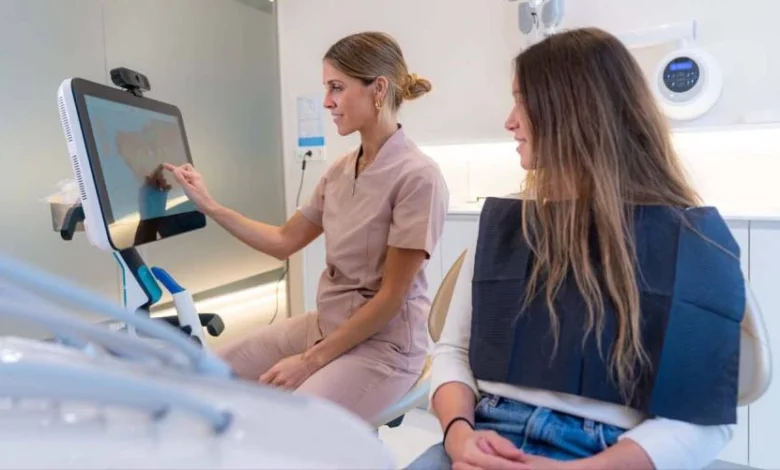
Do you worry about cavities, gum disease, or costly dental work later? Modern dental care finds problems early and keeps teeth healthy. This post shows how new tools and good home care stop small problems from getting big.
Read on to learn simple steps that help your smile last.
The Role of Preventive Dentistry in Long-Term Oral Health
Preventive dentistry plays a vital role in oral health. It helps catch problems early and keeps your smile healthy for years to come. Regular check-ups and cleanings are key to avoiding serious issues like gum disease and tooth decay.
Early detection of dental issues
Dentists spot cavities and gum disease early during regular checkups. This early action reduces tooth decay and limits the need for complex dental treatment.
Digital imaging and thorough exams reveal hidden problems that plain inspection can miss. Patients who follow a home care routine and seek timely preventive care keep better oral health.
Importance of regular check-ups and cleanings
Regular checkups catch problems early. They let clinicians spot tooth decay and gum disease. Professional cleanings remove plaque and tartar that brushing misses. Routine visits support oral hygiene and long term health.
Most offices recommend visits every six months. These visits enable preventive care and quick treatment of issues. Digital imaging and other dental technology make detection more precise.
Enamel Dentistry in Lantana offers advanced preventive services that can significantly enhance your oral health.
Next, key advancements in modern dental care will show how new tools improve detection and treatment.
Key Advancements in Modern Dental Care
Modern dental care uses new tools that make visits easier and faster. Digital imaging helps dentists see issues clearly, while laser treatments allow for precise solutions with less pain.
Digital imaging and diagnostics
Digital X-rays and 3D scans show tooth decay and gum disease at an early stage. These images help dentists spot small cracks, hidden decay, and bone loss. Early detection speeds up preventive care and limits complex dental treatment.
Dentists use diagnostic images to plan precise restorative procedures and routine checkups. Clear scans reduce surprises during treatment and improve patient care. Faster diagnosis leads to shorter visits and better long-term oral health.
Laser dentistry for precise treatments
Laser dentistry uses focused light to treat dental issues. This technology allows for precise treatments, minimizing damage to surrounding tissues. It can be used for procedures like gum reshaping and cavity removal.
Patients often experience less pain and faster healing times with laser treatments.
This method reduces the need for anesthesia in many cases, making visits more comfortable. Laser dentistry also lowers the risk of infection since it sterilizes as it works. Modern techniques have shown great results in improving oral health outcomes.
Many patients report higher satisfaction after receiving laser treatments compared to traditional methods.
Minimally invasive procedures
Minimally invasive procedures change the way dentists work. These methods aim to treat dental issues with less damage to surrounding tissue. Dentists can use less drilling and cutting.
This approach helps preserve more of the natural tooth structure. As a result, patients often feel less pain during treatment.
Examples include fillings that bond directly to teeth instead of traditional techniques. Another method uses small instruments for root canal treatments, which reduces recovery time.
With these advancements in dental technology, many people experience better health outcomes and higher patient satisfaction over time. Regular check-ups help identify problems early, making minimally invasive options even more effective in maintaining good oral hygiene and gum health.
Integration of Technology and Patient Care
Technology plays a big role in how dentists care for patients. Tools like artificial intelligence and 3D printing help create better treatment plans and provide customized solutions.
Use of artificial intelligence in dental planning
Artificial intelligence helps dentists plan treatments more effectively. AI analyzes patient data to find the best options for dental care. It improves the accuracy of diagnoses and aids in early detection of issues like tooth decay and gum disease.
This technology enhances treatment plans by predicting outcomes based on previous cases.
AI tools assist in creating personalized solutions for each patient. They can generate models of a patient’s mouth, which allows for precise planning before any procedure begins. These advancements make dental visits easier and more efficient, improving oral health outcomes.
3D printing for customized dental solutions
The use of artificial intelligence in dental planning leads to great innovations like 3D printing. This technology creates unique dental solutions suited to each patient’s needs.
It allows dentists to make precise models for crowns, bridges, and aligners quickly.
3D printing reduces the time patients wait for their treatments. Items made through this process often fit better than traditional options. Many people experience improved comfort and satisfaction with these personalized treatments.
Customized solutions also help prevent issues such as tooth decay and gum disease by ensuring a proper fit.
Benefits of Modern Dental Techniques
Modern dental techniques make visits easier for patients. They also help treatments last longer and provide better results.
Improved patient comfort and recovery
Modern dental care focuses on patient comfort. New methods make treatments less painful. Techniques like laser dentistry reduce discomfort during procedures. Patients often feel more relaxed in the dental chair.
Recovery time is shorter with modern techniques, such as minimally invasive procedures. These approaches lead to fewer complications and quicker healing. As a result, patients can return to their daily lives faster.
Enhanced durability of dental treatments also helps maintain oral health longer, meaning fewer visits for repairs or replacements.
Enhanced durability of dental treatments
Dental treatments today last longer than ever. New materials and methods make restorations stronger and more reliable. For example, modern fillings resist wear and tear better than older ones.
Advanced ceramics provide great strength for crowns and bridges.
This progress means fewer repairs or replacements over time. Patients enjoy a better experience with less anxiety about their dental work failing. Increased durability also improves patient satisfaction, as they can trust their treatments will hold up well against daily use.
Conclusion
Modern dental care greatly boosts long-term oral health. Patients enjoy better comfort and faster healing thanks to new techniques. Regular visits help catch problems early, like tooth decay or gum disease.
Advanced tools make treatments more precise and effective. Staying informed about oral hygiene can lead to healthier smiles for years to come.
For More Information Visit: Rare Magazine