How to Increase Your Home’s Value Before Selling
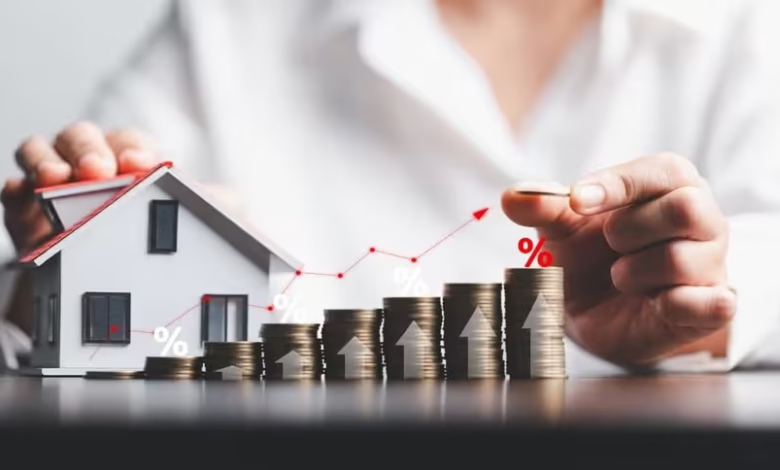
When you decide to sell your home, the price you receive depends heavily on the condition and appeal of the property at the time of listing. Many homeowners underestimate how strategic improvements can significantly boost their asking price and reduce the time a property spends on the market. Understanding which upgrades deliver the strongest return on investment is essential before putting your home up for sale. This guide explores the most effective ways to increase your home’s value and attract serious buyers.
1. Enhance Your Home’s Curb Appeal
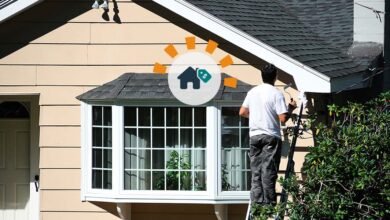
The exterior of your home is the first impression potential buyers will have, and this initial impact shapes their entire perception of the property. Simple landscaping improvements such as trimming overgrown bushes, planting fresh flowers, and maintaining a neat lawn can transform the appearance of your front yard without requiring a major investment. Repainting the front door, replacing worn house numbers, and cleaning windows and siding make the home appear well-maintained and cared for. Consider power washing the driveway and walkways to remove dirt and grime that can make surfaces appear aged or neglected. A fresh coat of exterior paint in neutral, appealing colors can also dramatically improve how the home presents itself to the street.
2. Update Kitchen and Bathroom Fixtures
Kitchens and bathrooms are two of the most important areas that buyers evaluate when touring a home, as these spaces involve significant functionality and daily use. Upgrading cabinet hardware, replacing outdated faucets, and installing modern light fixtures creates a contemporary feel without requiring a complete renovation. New countertops in durable materials such as quartz or granite provide both aesthetic appeal and practical durability that buyers value. Bathroom improvements might include replacing old tile, updating vanities, or installing a new mirror and lighting to create a fresh, clean appearance. These mid-range improvements often provide solid returns because they directly address buyer concerns about functionality and style in high-traffic areas.
3. Improve Energy Efficiency
Energy-conscious buyers increasingly prioritize homes with lower utility costs, making energy efficiency upgrades a smart investment before selling. Installing a programmable or smart thermostat allows buyers to see the potential for reduced heating and cooling expenses throughout the year. Upgrading to ENERGY STAR certified appliances, particularly the refrigerator, dishwasher, and water heater, appeals to environmentally conscious purchasers while demonstrating lower operating costs. Improving insulation in the attic and sealing air leaks around windows and doors reduces energy waste and makes the home more comfortable. Adding weatherstripping and caulk around doors and windows is an inexpensive step that signals to buyers that the home has been properly maintained.
4. Create Fresh, Neutral Living Spaces
Buyers need to envision themselves living in your home, which becomes difficult if the space is heavily personalized or decorated in bold, unconventional styles. Repainting walls in soft, neutral colors such as beige, gray, or soft white provides a blank canvas that allows potential buyers to imagine their own furnishings and décor in the space. Removing personal items such as family photos, memorabilia, and highly individualized artwork helps depersonalize the home and makes it feel more broadly welcoming. Deep cleaning carpets or replacing worn flooring with neutral options such as light wood or luxury vinyl can refresh the appearance of living areas significantly. A decluttered, neutral home allows buyers to focus on the home’s structure, systems, and features rather than adapting to the current owner’s aesthetic choices.
5. Address Deferred Maintenance Issues
Buyers conduct inspections that typically reveal deferred maintenance, which can derail a sale or reduce your negotiating position substantially. Fixing leaky faucets, repairing broken windows, and patching drywall damage demonstrates that you have maintained the home responsibly throughout your ownership. Homeowners scheduling roof repairs before listing often consult Austin Roofing professionals to assess and resolve issues that would otherwise surface during a buyer’s inspection. Small repairs may seem minor individually, but buyers perceive them as indicators of potential larger, hidden problems when a home shows multiple maintenance concerns. Completing these repairs before listing allows you to control the narrative about your home’s condition and prevents buyers from using inspection findings as leverage to negotiate a lower price.
6. Add Strategic Upgrades That Buyers Value
Certain upgrades consistently appeal to buyers and provide better returns than others, making them worth prioritizing in your pre-sale preparation. Installing new flooring in main living areas, particularly replacing worn carpet with wood or luxury vinyl, creates a polished appearance and addresses one of the first things buyers notice when entering a home. Updated lighting fixtures, including contemporary ceiling lights and supplementary task lighting, modernize spaces and improve functionality. Adding storage solutions such as closet organization systems or built-in shelving addresses a common buyer concern about adequate storage space. A fresh coat of paint combined with updated hardware throughout the home unifies the living spaces and creates a sense of cohesion that appeals to potential purchasers.
Conclusion
Increasing your home’s value before selling requires a strategic approach that balances investment with return potential. Focusing on curb appeal, kitchen and bathroom updates, energy efficiency, neutral décor, deferred maintenance, and high-value upgrades creates a well-rounded presentation that appeals to a broad range of buyers. Properties that appear well-maintained, move-in ready, and aligned with current buyer preferences command higher prices and typically sell more quickly than homes requiring extensive work. By investing time and resources in these improvements, you position your home competitively in the market and maximize the financial return on your sale. Beginning preparation several months before listing allows time for quality work and avoids rushed decisions that could compromise the final result.
For More Information Visit: Rare Magazine