How to Personalize a Wig or Hair Topper for a More Natural Look
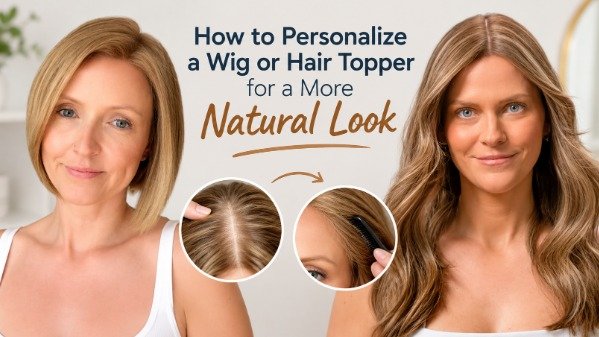
A wig or hair topper can look beautiful right out of the box, but a few small adjustments can make it feel much more like your own hair. Changing the part, adjusting the shape, or trimming the length can help the hairpiece blend better with your face and personal style.
Customization does not always mean making major changes. In many cases, simple styling techniques are enough to create a more natural finish. Here are three areas to focus on when personalizing your wig or hair topper.
1. Start with Styling
When you first receive a new hairpiece, the hair may look different from the product photos. It might have lost some of its shape during shipping, or the strands may need gentle detangling.
Before making permanent changes, take time to style the piece and see how it looks on you.
Brush gently. Remove tangles with a suitable brush or comb. Start at the ends and work upward to avoid pulling on the hair.
Restore its shape. Arrange the hair according to your preferred style. If the piece is made from human hair, you may have more options for styling with heat. For synthetic hair, check the product instructions before using any hot tools.
Try it on before making changes. Wear the wig or topper at home and experiment with different looks. This gives you a better idea of what needs adjusting before you cut or alter anything.
If you plan to use heat on human hair, a suitable heat protectant may help reduce damage. However, always follow the manufacturer’s care recommendations.
2. Adjust the Part for a Realistic Finish
The part is one of the details that can make a hairpiece look more natural. If the parting line looks too perfect, too dense, or different from your usual hairstyle, a small adjustment may help.
Try a Different Parting Style
Some hair toppers feature a free-part design, which allows you to move the part within a designated area. Others have a fixed part, such as a center or side part.
Before changing the part, check how your topper is constructed. Moving the hair outside its intended parting area may expose the base or wefts underneath.
Create a Softer-Looking Part
If the part looks too dense, gently arranging the hair can help create a softer appearance. Some people also use a small amount of scalp-colored makeup along the part to reduce contrast between the base and their skin.
Use makeup sparingly and avoid applying products that may stain or damage the hairpiece. If the base has visible knots, check the manufacturer’s guidance for safe ways to conceal them.
Be Careful When Plucking Hair
Removing a few hairs along the part may make it look less uniform, but this is a permanent change. Plucking too much can leave gaps and shorten the useful life of the piece.
If you are new to customizing hair toppers or wigs, consider asking an experienced stylist to make this adjustment rather than doing it yourself.
3. Customize the Length, Shape, and Color
A hairpiece does not have to stay exactly as it arrives. Adjusting its length and shape can help it blend with your natural hair and suit your face.
Trim the Length and Add Layers
If the hairpiece looks too long or has a shape that does not suit you, a professional trim can make a noticeable difference.
For a more natural blend, a stylist may add soft layers or shape the front pieces around your face. It is usually best to make small changes gradually rather than cutting off too much hair at once.
If you are trimming the piece yourself, be especially careful with bangs and shorter face-framing sections. Once the hair is cut, it cannot simply grow back.
Choose a Color That Blends with Your Hair
Color matching is important for both human hair wigs and hair toppers. Look at your natural hair in different lighting conditions and compare the root color, overall shade, and undertones.
If you cannot find an exact match, a professional stylist may be able to adjust a human hair piece to better suit your color. Human hair can generally be colored, but the results depend on its original color, processing history, and condition.
It is usually safer to make hair darker than to attempt to lighten or bleach it. Lightening can cause significant damage, so consult a stylist experienced in working with wigs and toppers before attempting any color change.
Important: Synthetic hair should not be treated with regular hair dye. If you need a different color, look for a shade that is already available or ask the manufacturer about suitable customization options.
Should You Customize a Wig or Hair Topper Yourself?
Simple styling adjustments, such as brushing, changing an approved parting direction, and arranging the hair around your face, are usually good starting points.
More permanent changes require extra care. Cutting, thinning, plucking, and coloring can affect how the piece looks and how long it lasts. If you have invested in a high-quality human hair wig or topper, professional customization may be worth considering.
Before making changes, check the product’s construction and care instructions. Some base materials allow more flexibility than others, and not every hairpiece is designed for the same styling techniques.
Final Thoughts
The best wig or hair topper is one that suits your appearance, comfort, and daily routine. A little styling, a well-chosen part, and the right length and color can help make a hairpiece look more natural and feel more personal.
Start with simple adjustments and give yourself time to experiment. For more permanent changes, a stylist with hairpiece experience can help you achieve your desired look while protecting your investment.