Kids Study Chair: Why the Chair Matters as Much as the Desk for UK Children
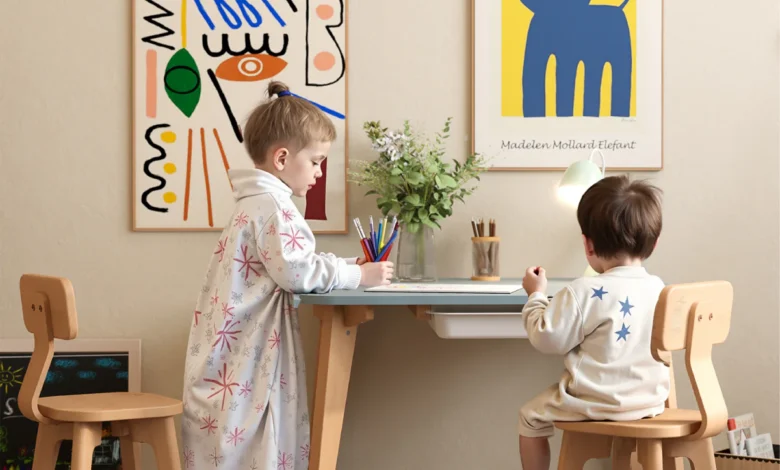
The kids study chair is consistently the most underspecified piece of furniture in a UK child’s study setup. Parents invest carefully in the desk, choosing the right height and adequate surface area, and then select a chair without the same deliberation. The chair is then blamed when the child fidgets, slumps, or avoids the desk, when the issue is that the chair, at the wrong height or without adequate back support, is making the homework session physically uncomfortable. A well-specified kids study chair is as important as the desk in determining the ergonomic quality of the study environment, and the chair specification should receive at least as much consideration as the desk specification before purchasing either.
Key Takeaways
- The kids study chair determines the ergonomic quality of the study space equally with the desk. A correctly specified desk paired with an incorrectly specified chair produces a study setup that is still ergonomically compromised.
- The correct chair seat height allows the child to sit with feet flat on the floor and elbows at approximately 90 degrees on the desk surface.
- Back support in the kids study chair is important from Year 2 or Year 3 of UK primary school, when homework sessions routinely exceed 20 minutes.
- Adjustable-height chairs are the most practical option for UK families purchasing at the start of primary school, as they accommodate the child’s growth across the primary school years.
- The chair should be chosen alongside the desk, with both heights confirmed against the child’s specific measurements before purchasing either piece.
Kids Study Chair Specifications for UK Children
| Specification | What to Look For | Why It Matters |
| Seat height | Adjustable, or matched to desk height | Determines elbow angle at the desk surface |
| Back support | Lumbar or full back contact | Prevents lower back strain in extended sessions |
| Seat depth | Child’s back reaches backrest when seated | Ensures support is used rather than sat in front of |
| Footrest provision | Feet flat on floor or adjustable footrest | Prevents hip and lower back strain from dangling feet |
| Stability | Four-leg base without wobble | Concentration is disrupted by a wobbly seat |
| Finish | Non-toxic, certified to safety standards | Safe in the child’s primary study environment |
Getting the Kids Study Chair Height Right
The Chair-Desk Height Relationship
The relationship between the chair seat height and the desk surface height determines everything else about the ergonomic quality of the study setup. With the child seated in the chair, feet flat on the floor, the desk surface should be at the height of the child’s bent elbows. If the desk surface is above elbow height, the child must raise their shoulders to write. If it is below elbow height, the child must hunch forward. The correct chair height is therefore determined by the combination of the desk surface height and the child’s floor-to-elbow distance in a correctly seated position.
Adjustable vs Fixed Seat Height
An adjustable-height kids study chair is the most practical companion to an adjustable-height desk for UK families purchasing at the start of primary school. The chair’s seat height adjustment range should span the seated floor-to-elbow heights of the child from Reception through Year 6, which is typically a range of approximately 10 to 14 centimetres. A fixed-height chair is appropriate when the desk is also fixed height and both are specified for the child’s current measurements, with the understanding that both will need replacement as the child grows.
Back Support for UK Homework Duration
From Year 2 or Year 3 of UK primary school, when homework sessions regularly extend beyond 20 minutes, a kids study chair with lumbar or full back support becomes important. Without back support, children develop a progressive slump during extended seated work that causes lower back fatigue and shortens the effective study session. A chair that positions the child with their lower back in contact with the backrest throughout the session prevents this fatigue and allows the child to sustain the homework session to its intended duration.
For quality kids study chair options compatible with the Boori study desk collection, browse the full desk, table, and chair range at Boori UK to compare back support specifications and height adjustment ranges.
Frequently Asked Questions
Can a child use an adult office chair at a kids desk?
An adult office chair at a kids desk is rarely at the correct seat height for a primary school child. Adult office chairs typically have seat heights of 45 to 55 centimetres at their lowest adjustment, which is too high for most primary school children and creates the raised-shoulder posture that accumulates into tension during study sessions. A chair designed for children’s proportions, with seat heights adjusted to 30 to 45 centimetres, is more appropriate.
Should a kids study chair have wheels?
Wheeled chairs allow more movement during study, which some children benefit from. The disadvantage is that wheels on hard floors can cause the child to roll away from the desk during seated work without noticing, disrupting posture and concentration. A four-leg chair on hard flooring is more stable during study sessions. If a wheeled chair is preferred, a chair mat under the wheels provides resistance that keeps the chair in position during study.
How often should a child’s study chair be replaced?
When the child’s growth has moved beyond the adjustment range of an adjustable chair, or when the chair shows structural compromise such as wobbling or damaged adjustment mechanisms. A quality adjustable-height chair purchased at age five or six typically serves to age ten or eleven before the maximum height setting is surpassed.
What is the right seat depth for a kids study chair?
The seat depth should allow the child to sit with their back against the backrest while maintaining a gap of two to four centimetres between the back of their knees and the front edge of the seat. If the seat is too deep, the child cannot reach the backrest while seated correctly and sits without back support. Most quality children’s study chairs have seat depths of 28 to 36 centimetres, appropriate for primary school proportions.
Final Thoughts
The kids study chair is not a secondary consideration in the UK children’s study space setup. It determines the ergonomic quality of every homework session, every art project, and every hour of focused work the child does at the desk over the primary school years. Chosen alongside the desk and specified correctly for the child’s proportions, a good kids study chair is one of the most consistently valuable pieces of furniture in a school-age child’s UK bedroom.
You May Also Read: Why is early support important for children with autism?