Exploring Medical Options for Sciatica Pain Relief Now
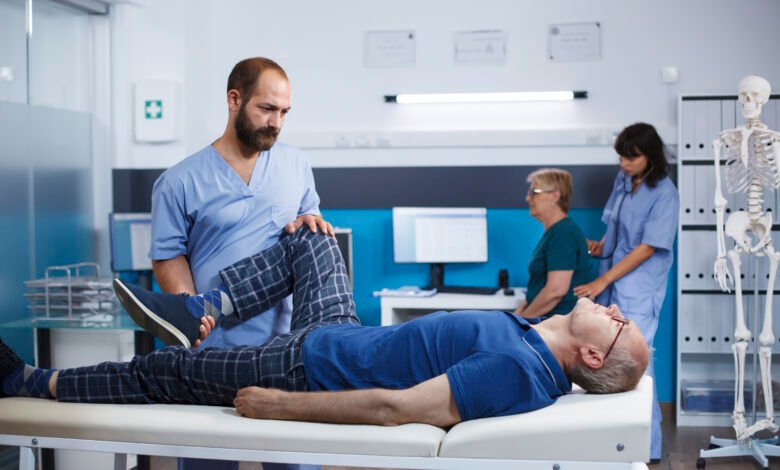
Anyone who has ever experienced true sciatic nerve pain knows that it is entirely unmistakable. It rarely starts as a subtle, dull ache. Instead, it typically announces itself as a sharp, burning, or electric shock that originates deep in the lower back or buttocks and shoots aggressively down the back of the leg. For some, the pain stops at the knee, while for others, the radiating agony travels all the way down into the calf and the toes.
Living with this specific type of nerve pain is incredibly exhausting. It completely disrupts your normal daily routine. Simple tasks like tying your shoes, sitting in a car for your morning commute, or even finding a comfortable position to sleep in become monumental challenges. The constant, nagging pain drains your energy and makes it incredibly difficult to focus on your career or enjoy your weekend activities.
Many people falsely assume that this nerve pain is just a temporary cramp that will eventually fade away with a few days of strict bed rest. Unfortunately, ignoring the problem or masking it with heavy painkillers usually allows the underlying structural issue to worsen. If you want to reclaim your mobility and avoid a lifetime of chronic discomfort, you must address the root cause of the nerve compression. Here is a comprehensive guide to understanding your symptoms and exploring the best medical and holistic options for permanent healing.
Key Takeaways
- Sciatic pain is a symptom of an underlying structural issue, most commonly a herniated disc or a bone spur compressing the nerves in the lower lumbar spine.
- Prolonged bed rest is an outdated recommendation that actually weakens your supporting core muscles and prolongs the overall recovery process.
- Understanding the progression of your symptoms is critical for determining whether your nerve is actively healing or sustaining further damage.
- A multi-disciplinary approach that combines targeted medical interventions with holistic physical rehabilitation offers the highest probability of long term success.
Understanding the Root Cause of the Pain
To effectively treat your discomfort, you first have to understand the anatomy of the issue. The sciatic nerve is the single longest and widest nerve in the human body. It begins in your lower back, where several individual nerve roots exit the lumbar spine and combine to form one massive nerve bundle. This nerve then runs deep through the muscles of your buttocks and travels all the way down the back of each leg.
When you feel that sharp, shooting pain, there is a physical object putting direct pressure on that nerve pathway. In the vast majority of clinical cases, the culprit is a herniated or bulging spinal disc. The discs in your spine act as vital shock absorbers between the vertebrae. If a disc tears and the soft inner gel pushes outward, it can rest directly on the sciatic nerve root.
Other common causes include spinal stenosis, which is the narrowing of the spinal canal due to age and arthritis, or the development of sharp bone spurs that crowd the nerve. In some cases, a condition known as piriformis syndrome occurs when a specific muscle deep in the buttocks spasms and pinches the nerve as it passes through the hip area. Because there are so many potential causes, securing an accurate medical diagnosis is the absolutely critical first step.
Recognizing the Progression of Symptoms
Nerve pain does not remain static. It constantly evolves based on the level of inflammation and the amount of pressure being applied to the nerve root. Monitoring how your symptoms change over time gives your medical team vital clues about your overall recovery trajectory.
In the initial acute phase, the pain is usually hyper localized, intense, and incredibly sharp. As the inflammation spreads, the pain begins to radiate further down the leg. However, as you begin to heal and the pressure is slowly relieved, a phenomenon known as centralization often occurs. Centralization means the pain stops traveling all the way down to your foot and begins to retreat back up the leg toward the original source in the lower back. This retreat is a massive indicator that your treatment plan is actually working.
Conversely, you must pay close attention to any sudden changes in sensation. If the sharp, burning pain suddenly transitions into a profound numbness, a heavy tingling sensation, or a complete loss of muscle strength in your leg, you need immediate medical attention. Reaching the last stages of sciatica without professional intervention can sometimes lead to permanent nerve damage. A loss of bowel or bladder control combined with leg numbness is a strict medical emergency that requires a trip to the hospital.
The Flaws of the Traditional Wait and See Approach
For decades, the standard medical advice for a severe nerve flare up was to take a heavy dose of anti inflammatory medication and stay flat in bed for a week. We now know that this approach is incredibly counterproductive.
While taking the physical weight off your spine might feel good in the short term, lying motionless causes your supporting core and back muscles to rapidly atrophy. Your spine relies entirely on these muscles for stability. If you weaken the muscles through prolonged bed rest, your spine becomes even more unstable. The moment you finally stand up, the weakened muscles cannot support the vertebrae, which often leads to an immediate reherniation of the disc and a massive return of the nerve pain.
Furthermore, your spinal discs do not have a direct blood supply. They receive their vital nutrients and hydration through physical movement. When you stay completely still, you starve the injured disc of the oxygen and water it desperately needs to repair the torn cartilage. Active, controlled movement is an absolute necessity for healing.
Exploring Targeted Medical Interventions
If your nerve compression is severe and your pain levels are entirely unmanageable, conservative holistic therapies might be too painful to attempt right away. In these acute scenarios, targeted medical interventions are utilized to break the pain cycle and reduce the massive localized inflammation.
One of the most effective non surgical options is an epidural steroid injection. A specialized pain management doctor uses real time fluoroscopic X ray guidance to carefully guide a needle directly into the epidural space surrounding the compressed nerve root. They then inject a powerful corticosteroid to rapidly shut down the inflammation. While this injection does not physically push a herniated disc back into place, it acts as a massive chemical fire extinguisher. It provides a crucial window of pain relief that allows the patient to comfortably begin physical rehabilitation.
If conservative therapies and injections fail to provide relief after several months, and the patient is experiencing progressive muscle weakness, surgical intervention may be considered. Procedures like a microdiscectomy involve a surgeon removing the small portion of the herniated disc that is physically resting on the nerve. Thanks to modern medical advancements, these procedures are highly targeted, minimally invasive, and boast a very high success rate.
The Power of Holistic Spinal Decompression
For patients who wish to avoid surgery and heavy prescription narcotics, modern holistic clinics offer incredibly effective technological solutions. One of the premier treatments for nerve compression caused by a bulging disc is computerized spinal decompression therapy.
During a decompression session, the patient lies comfortably on a highly specialized, motorized table. A sophisticated computer program gently and rhythmically stretches the lumbar spine. This incredibly precise pulling force creates a localized vacuum effect inside the injured disc. The negative pressure literally sucks the bulging, herniated material back into the center of the disc, pulling it entirely off the sciatic nerve.
Simultaneously, this vacuum effect draws a massive rush of fresh water, oxygen, and nutrient rich fluids directly into the torn cartilage. This kickstarts the cellular repair process, allowing the disc to heal naturally from the inside out. It is a completely painless, non invasive therapy that directly addresses the root structural cause of the nerve compression.
Active Rehabilitation and Physical Therapy
Once the acute pain and inflammation have been managed, the most critical phase of long term recovery begins. You must actively rebuild the structural support system surrounding your spine to ensure the injury does not return.
Partnering with a specialized physical therapist or a rehabilitative chiropractor is essential. They will teach you specific, targeted movements designed to safely stretch the tight muscles in your lower back and hamstrings without aggravating the nerve. Engaging in a customized routine for sciatica pain relief focuses heavily on building core strength.
Your core muscles act as an internal corset that holds your lumbar vertebrae in perfect alignment. When your abdominal muscles, obliques, and lower back extensors are incredibly strong, they absorb the physical shock of your daily movements before that shock can reach your spinal discs. A strong core is the absolute best insurance policy against future nerve flare ups.
Lifestyle Adjustments for Permanent Prevention
Healing a compressed nerve requires a massive amount of cellular energy. You have to provide your body with the optimal internal environment for repair. This means paying close attention to your daily lifestyle habits.
Hydration is absolutely critical. The discs in your spine are composed largely of water. If you are chronically dehydrated, your discs become thin, brittle, and highly susceptible to tearing. Make a conscious effort to drink plenty of pure water throughout the day to keep your joints properly lubricated.
You must also evaluate your daily ergonomics. If you work at a desk for eight hours a day, sitting in a cheap chair with terrible lumbar support is actively destroying your spine. Invest in an ergonomic chair that maintains the natural curve of your lower back, and set a strict timer to remind yourself to stand up, stretch, and walk around every single hour to keep the blood flowing to your tissues.
The Final Verdict on Reclaiming Your Life
Living with chronic, shooting nerve pain is a miserable experience that robs you of your vitality. However, you do not have to accept this discomfort as a permanent fixture in your life. The medical community has evolved far beyond the flawed advice of simply resting and waiting for the pain to disappear.
By taking a proactive, comprehensive approach to your health, you can successfully eliminate the pain and restore your mobility. Whether you require a targeted steroid injection to break the initial pain cycle, or you opt for holistic spinal decompression and active physical therapy, the key is to address the root structural cause of the compression. Do not let fear or frustration hold you back. Reach out to a premier pain management clinic, demand a thorough evaluation, and take the first critical step toward a pain free, active future.
Frequently Asked Questions (FAQ)
How long does a typical sciatic nerve flare up last?
If treated properly with a combination of active rehabilitation and inflammation management, acute flare ups typically resolve within four to six weeks. However, if the underlying structural issue is completely ignored, the pain can easily transition into a chronic condition that lasts for several months or even years, progressively worsening over time.
Is it safe to exercise or walk when my leg is actively hurting?
Yes, gentle movement is actually highly encouraged. Walking on a flat surface helps stimulate blood flow to the lower back and keeps your spinal discs hydrated. However, you should absolutely avoid heavy lifting, high-impact activities like running, and any exercises that require you to bend forward and twist at the waist, as these specific motions place massive pressure on the lumbar discs.
Can a chiropractor actually fix a compressed sciatic nerve?
Yes, specialized chiropractors are highly effective at treating this specific condition. By performing precise spinal adjustments, they can correct misaligned vertebrae that are contributing to the nerve compression. Many premier chiropractors also utilize spinal decompression tables and active rehabilitative exercises to fully retract bulging discs and stabilize the entire lower back.
Are hot or cold compresses better for this type of pain?
In the first forty eight to seventy two hours of a severe, acute flare up, applying an ice pack to the lower back is best for reducing the massive localized inflammation and numbing the sharp pain. After the initial inflammation has subsided, switching to a heating pad is highly beneficial. The heat increases blood flow to the tight, spasming muscles in the lower back and buttocks, helping them relax and release their grip on the nerve.
Does my sleeping position affect my nerve pain?
Absolutely. Sleeping flat on your back or on your stomach can place unnecessary stress on the lumbar spine. The best sleeping position for relieving pressure on the sciatic nerve is to lie on your side with a thick, firm pillow placed directly between your knees. This keeps your hips perfectly squared and prevents your top leg from pulling your lower spine out of alignment during the night.
For More Information Visit: Rare Magazine