THE ROLE OF MINDFULNESS IN ACHIEVING FITNESS GOALS
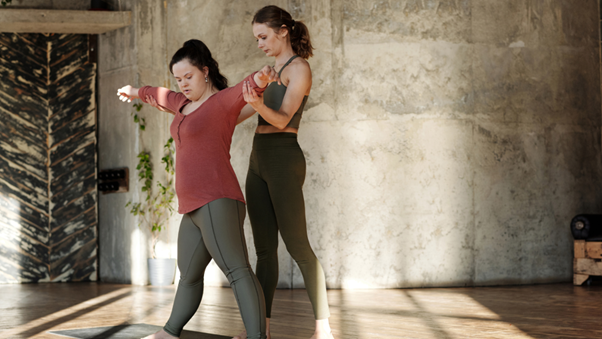
In the fast-paced world we live in today, achieving fitness goals can often seem like a daunting task. Whether it’s losing weight, building muscle, or just maintaining a healthy lifestyle, the journey is filled with challenges. One approach that has gained popularity in recent years is the integration of mindfulness into fitness routines. Mindfulness, the practice of being present and fully engaged in the moment, can offer significant benefits to individuals striving to reach their fitness milestones. By increasing self-awareness, reducing stress, and enhancing focus, mindfulness can play an essential role in helping you achieve your fitness aspirations.
THE SCIENCE BEHIND MINDFULNESS AND FITNESS
To understand how mindfulness can influence fitness, it’s essential to look at the science behind it. Mindfulness works by enhancing our brain’s ability to focus, improve emotional regulation, and promote a deeper mind-body connection. These mental benefits translate into physical advantages when applied to fitness. Studies have shown that individuals who practice mindfulness experience better motivation, increased endurance, and improved performance in various physical activities. By practicing mindfulness, individuals become more attuned to their body’s signals, such as hunger and fatigue, allowing them to make healthier choices and avoid burnout.
Incorporating mindfulness into your workout routine can also reduce the likelihood of injury. Being aware of your body’s movements ensures proper form and alignment, decreasing strain and preventing unnecessary setbacks. Mindfulness not only aids in physical preparedness but also enhances recovery processes. As a result, integrating mindfulness into your fitness routine leads to improved overall performance and a more sustainable approach to achieving fitness goals, complementing services offered by an Online PT Course Provider.
MINDFULNESS IN ENDURANCE TRAINING
Endurance sports, such as running, cycling, or swimming, require not only physical stamina but also a strong mental focus. Mindfulness can be a powerful tool to enhance endurance training by keeping the mind engaged and resilient, even during the most grueling workouts. By concentrating on the rhythm of breath, the movement of muscles, and staying present in the moment, athletes can push through barriers and endure longer.
Mindfulness helps athletes to stay calm and centered, reducing anxiety and mental fatigue, which are common during long, monotonous training sessions. Practicing mindfulness also aids in goal setting and strategic planning during endurance sports. Athletes often use visualization techniques—a form of mindfulness—to mentally prepare for races, outlining each step, tactic, and outcome, which increases their confidence and performance on the event day.
STRESS REDUCTION AND RECOVERY THROUGH MINDFULNESS
Stress is one of the biggest obstacles to achieving fitness goals, often leading to burnout and lack of motivation. Mindfulness counteracts stress by calming the mind, lowering cortisol levels, and promoting relaxation. Regular mindfulness practice encourages a healthy stress response, allowing individuals to approach their fitness regimen with greater ease and enjoyment.
In terms of recovery, mindfulness accelerates the body’s natural healing processes. Mindful relaxation techniques such as deep breathing, meditation, and yoga support muscle recovery by improving circulation and reducing tension. By fostering a restful state, these practices help the body repair more efficiently, ensuring that individuals can quickly return to their fitness activities with renewed energy and motivation.
MINDFUL EATING: NOURISHING THE BODY AND MIND
Mindfulness extends beyond the confines of a gym or yoga mat. It plays a critical role at the dinner table as well. Mindful eating encourages individuals to fully appreciate the experience of eating by savoring every bite and acknowledging hunger and fullness cues. This approach can significantly aid in achieving a balanced diet, which is integral to any fitness journey. By focusing on how food affects your body and emotions, mindful eating helps in making more informed dietary choices.
Many people struggle with stress eating or consuming food out of habit, rather than hunger. By practicing mindful eating, individuals can break free from these patterns, leading to more effective weight management and overall health improvement. Moreover, mindful eating fosters a positive relationship with food, as it encourages gratitude and appreciation for the sustenance it provides, aligning well with the principles of Balanced Aesthetics. This holistic approach ensures that both body and mind are nourished, providing a solid foundation for achieving and maintaining fitness goals.
INTEGRATING MINDFULNESS INTO DAILY FITNESS ROUTINE
Introducing mindfulness into your fitness routine can be simple and effective. Begin by setting aside a few minutes before or after your workout to practice deep breathing or meditation. During exercise, focus on the sensations in your body—the contraction and relaxation of muscles, the rhythm of your breath, and the beat of your heart. This heightened awareness keeps the mind engaged and prevents wandering thoughts.
Another practical approach is to pair mindfulness exercises with physical activities. For instance, while stretching, pay close attention to how your body feels in each posture, focusing on the sensations and gradually releasing tension. Over time, these practices will become second nature and will enrich your fitness journey, making it more enjoyable and fulfilling.
MINDFULNESS AND BALANCED AESTHETICS
Mindfulness, when applied to fitness, aligns seamlessly with the concept of Balanced Aesthetics. This approach emphasizes looking and feeling good as a holistic process, integrating physical health, mental well-being, and emotional balance. When individuals are mindful, they develop a deeper sense of self-awareness and acceptance, shifting the focus from mere physical appearance to overall health and well-being.
Balanced Aesthetics encourages a compassionate relationship with oneself by appreciating the body’s capabilities and respecting its limitations. Mindfulness reinforces this perspective by promoting authenticity and self-compassion in fitness pursuits. As you nurture your body with mindful practices, you cultivate a sense of inner balance, reflecting outwardly in a confident and radiant demeanor.
ENHANCING MIND-BODY CONNECTION
The mind-body connection is a profound relationship where the state of the mind influences the health and performance of the body. Mindfulness enhances this connection by ensuring that both elements are in harmony during physical activities. When the mind is present, the body responds more effectively, enhancing coordination, balance, and overall performance.
Practices such as yoga, tai chi, and pilates are excellent examples of activities that naturally integrate mindfulness with movement, emphasizing the synchronicity of breath and action. These activities help learners become more aware of their physical form, leading to better alignment and injury prevention. As this connection strengthens, it fosters a sense of unity between the mind and body, important for sustained fitness success.
MINDFUL GOAL SETTING IN FITNESS
Traditional goal-setting methods often focus solely on the outcome, such as reaching a specific weight or running a particular distance. Mindful goal setting, however, shifts the emphasis to the process, encouraging individuals to take each step consciously and with intention. This approach instills patience and perseverance, allowing goals to be seen as achievable, dynamic targets rather than rigid endpoints.
By setting small, incremental goals within a larger fitness framework, individuals can celebrate progress and remain motivated. This practice also includes reflection and reassessment, enabling people to adjust their strategies to fit their evolving needs and circumstances. As a result, mindful goal setting fosters a more adaptable and sustainable journey toward achieving fitness goals.
EMBRACING MINDFULNESS FOR LONG-TERM FITNESS SUCCESS
Embracing mindfulness as part of your fitness routine can provide long-term benefits, ultimately leading to a more sustainable lifestyle. It fosters a positive mindset, enhances resilience, and encourages approaches that align with personal values and goals. By practicing mindfulness, individuals are more likely to overcome challenges, avoid burnout, and find joy in their activities.
The benefits of mindfulness in fitness extend beyond individual practice and can have a positive ripple effect on broader community interactions and fitness cultures. As more people appreciate this approach, it promotes a more inclusive, supportive fitness environment, where the focus is on holistic health rather than competition.
CONCLUSION
Achieving fitness goals is a multifaceted process that goes beyond physical effort. Mindfulness offers a unique and effective approach, integrating mental focus and emotional balance into fitness routines. With mindfulness, individuals can enhance performance, prevent injuries, reduce stress, and maintain a healthier relationship with exercise and nutrition. When combined with other principles, such as those from the Online PT Course Provider and Balanced Aesthetics, mindfulness transforms fitness from a physical pursuit into a holistic lifestyle. By embracing this balance, individuals not only reach their fitness goals but also ensure long-term health and well-being.