What Homeowners Should Know Before Starting a Renovation Project
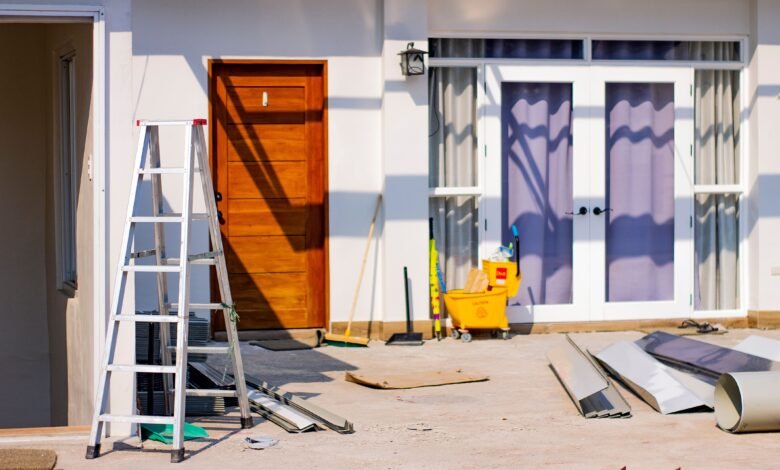
Renovating a home is an exciting opportunity to improve comfort, functionality, and long-term property value. Whether the goal is modernizing interiors, improving space utilization, upgrading outdated systems, or enhancing aesthetics, a successful renovation begins long before construction starts. Many homeowners focus primarily on design ideas, but experienced professionals understand that planning, budgeting, and preparation are equally important. This is why working with a reputable property renovation company is often one of the first steps toward achieving a smooth and successful renovation experience.
Before tearing down walls or selecting finishes, homeowners should understand the key factors that influence renovation outcomes. Proper preparation helps reduce unexpected costs, minimize delays, and ensure the finished result aligns with both current needs and future goals.
Define the Purpose of the Renovation
Every successful renovation begins with a clear objective.
Homeowners should ask themselves:
- What problem am I trying to solve?
- Which areas require improvement?
- Is the renovation focused on lifestyle, functionality, aesthetics, or resale value?
- What are my long-term plans for the property?
Having clear answers helps guide design decisions and prevents unnecessary changes during the project.
For example, a family planning to stay in a property for many years may prioritize comfort and personalization, while someone preparing for resale may focus on upgrades that increase market appeal.
Create a Realistic Budget
One of the most common renovation mistakes is underestimating costs. Many expenses extend beyond visible finishes and furnishings. Structural work, electrical upgrades, plumbing modifications, permits, labor, and contingency allowances can all affect the final budget.
A realistic renovation budget should include:
- Construction costs
- Material expenses
- Professional fees
- Permit costs
- Furniture and fixtures
- Unexpected contingencies
Industry professionals often recommend setting aside an additional reserve to accommodate unforeseen issues discovered during construction.
Careful financial planning helps prevent disruptions once work begins.
Understand the Existing Condition of the Property
Before designing new spaces, it is important to understand the current condition of the home.
Older properties may contain hidden concerns such as:
- Aging electrical systems
- Plumbing deterioration
- Moisture damage
- Structural wear
- Outdated insulation
- Ventilation issues
Identifying these challenges early allows homeowners to address essential repairs before investing in cosmetic improvements.
A thorough property assessment often prevents costly surprises later in the renovation process.
Prioritize Functionality Over Trends
Design trends change regularly, but functionality remains valuable for years. While inspiration from magazines and social media can be helpful, homeowners should focus on how spaces will be used on a daily basis.
Questions to consider include:
- Does the layout support daily activities?
- Is there sufficient storage?
- Are lighting levels appropriate?
- Does the design accommodate future needs?
Practical improvements often provide greater long-term satisfaction than purely trend-driven upgrades.
Develop a Detailed Project Scope
Renovation projects frequently expand beyond their original plans. This phenomenon, often called “scope creep,” can increase costs and extend timelines. Creating a detailed project scope helps maintain focus.
The scope should clearly define:
1. Areas Being Renovated
Identify exactly which rooms and spaces are included.
2. Desired Improvements
List specific upgrades and modifications.
3. Material Preferences
Establish preferred finishes, flooring, fixtures, and design elements.
4. Project Priorities
Determine which improvements are essential and which are optional.
Clear documentation helps reduce misunderstandings throughout the renovation process.
Plan for Temporary Disruptions
Renovations inevitably create some level of disruption. Depending on the scale of work, homeowners may experience:
- Noise
- Dust
- Restricted access to certain rooms
- Temporary utility interruptions
- Schedule adjustments
Understanding these realities in advance helps families prepare appropriately. For extensive projects, temporary accommodation arrangements may sometimes be necessary.
Focus on Space Optimization
Renovation presents an excellent opportunity to maximize existing space. Instead of expanding a property’s footprint, homeowners often achieve significant improvements through better space planning.
Examples include:
- Open-concept layouts
- Multi-functional rooms
- Built-in storage solutions
- Improved circulation paths
- Flexible workspaces
Thoughtful space utilization can dramatically improve daily living without requiring major structural expansion.
Understand Material Selection
Materials influence not only appearance but also durability, maintenance requirements, and long-term performance.
When selecting finishes, homeowners should consider:
1. Durability
Materials should withstand expected daily use.
2. Maintenance Requirements
Some surfaces require more upkeep than others.
3. Environmental Conditions
Climate and usage patterns can affect material performance.
4. Long-Term Value
Higher-quality materials often provide better longevity and lifecycle value.
Balancing aesthetics with practicality helps create lasting renovation results.
Communication Is Essential
Strong communication is one of the most important factors in any renovation project.
Homeowners should maintain regular discussions regarding:
- Progress updates
- Design decisions
- Timeline adjustments
- Budget considerations
- Material selections
Open communication helps identify potential concerns early and contributes to smoother project execution.
Prepare for Timeline Variations
While renovation schedules are carefully planned, construction projects sometimes encounter unexpected variables.
Potential causes of delays include:
- Material availability
- Weather conditions
- Permit approvals
- Design changes
- Hidden structural discoveries
Maintaining realistic expectations regarding timelines can reduce stress and improve the overall renovation experience. Flexibility often becomes an important part of successful project management.
Consider Long-Term Property Value
A renovation should not only improve current living conditions but also support future property value.
Features that often contribute to long-term appeal include:
- Modern kitchens
- Updated bathrooms
- Energy-efficient systems
- Flexible living spaces
- High-quality finishes
- Smart home integration
Investments that balance personal preferences with market appeal often provide the greatest overall return.
Work With Experienced Professionals
Professional expertise can significantly influence project outcomes.
An experienced property renovation company and specialist understands how to:
- Manage budgets effectively
- Coordinate trades efficiently
- Resolve technical challenges
- Maintain construction quality
- Ensure regulatory compliance
Their knowledge helps transform ideas into practical, functional, and durable living spaces. For many homeowners, professional guidance reduces uncertainty and improves confidence throughout the renovation journey.
Conclusion
Home renovation is a significant investment that requires careful planning, realistic budgeting, and thoughtful decision-making. Understanding property conditions, defining project goals, selecting suitable materials, and maintaining clear communication can greatly improve the likelihood of success. When homeowners approach renovation strategically, they create spaces that enhance both daily living and long-term property value.
If you are looking for professional support throughout a renovation journey, Haifa Renov8 operates within the residential and commercial renovation sector, focusing on project planning, construction management, interior improvements, and property modernization. The company reflects the growing demand for high-quality renovation expertise as homeowners increasingly evaluate factors such as design quality, execution standards, and even considerations related to apartment renovation cost in Dubai when planning property upgrades.