Diesel Engine Derating: What Every Driver and Fleet Manager Must Know
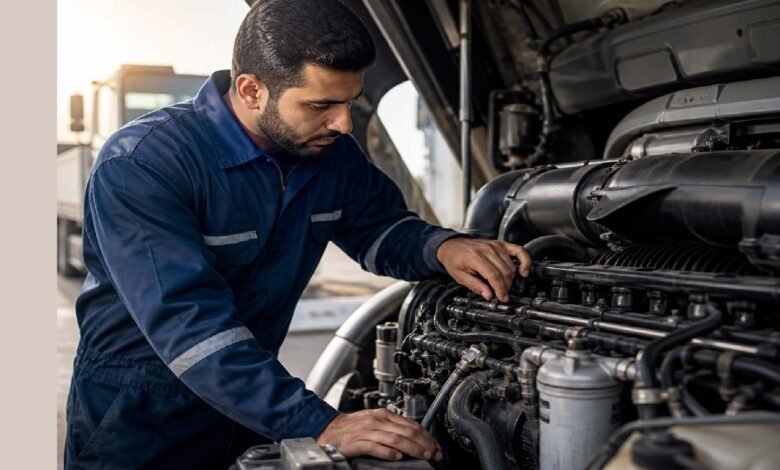
Modern diesel engines are engineering marvels — built to deliver extraordinary torque, fuel efficiency, and longevity under demanding conditions. But even the most robust diesel powerplant has a self-preservation mechanism built into its DNA: derating. When a diesel engine begins to derate, it is not simply malfunctioning. It is communicating. Understanding that communication — and responding to it correctly — is the difference between a minor service visit and a catastrophic engine failure. This article breaks down the full picture of diesel engine derating, from its root causes to its warning signs and the most effective solutions available to drivers and fleet operators today.
What Is Diesel Engine Derating?
Diesel engine derating is a deliberate, computer-controlled reduction in engine power output. It is triggered by the engine control module (ECM) when onboard sensors detect conditions that could compromise engine integrity or emissions compliance. Rather than allowing the engine to continue operating at full capacity under harmful conditions, the ECM steps in and limits power — sometimes gradually, sometimes dramatically — to protect critical components and alert the operator that something requires attention.
Derating is not a flaw in design. It is a feature. However, when it occurs unexpectedly on the road or during a job, it can feel like a serious problem. In many cases, it is a serious problem — just one that the engine is trying to prevent from becoming worse.
Common Causes of Diesel Engine Derating
Several underlying issues can trigger a derating event. The most frequently encountered causes include:
Aftertreatment System Failures
Diesel Particulate Filters (DPF), Selective Catalytic Reduction (SCR) systems, and Diesel Exhaust Fluid (DEF) issues are among the leading triggers for derating in modern emissions-compliant engines. When the DEF quality is poor, the DEF tank is empty, or the SCR system detects a fault, the ECM will reduce power to enforce compliance with emissions regulations. This is particularly common in trucks and heavy equipment operating under EPA Tier 4 or Euro 6 standards.
Overheating and Cooling System Problems
Excessive engine temperature is one of the most immediate threats to diesel engine health. When coolant temperatures rise beyond safe thresholds — often due to a failing thermostat, blocked radiator, or low coolant levels — the ECM will derate the engine to reduce heat generation. This protective response can prevent warped cylinder heads, blown gaskets, and seized pistons. It is worth noting that cooling system vulnerabilities are not exclusive to diesel engines; oil and coolant leaks become significantly more problematic during warmer months, a pattern observed across many vehicle platforms and engine types.
Turbocharger and Boost Pressure Issues
Diesel engines rely heavily on turbochargers to deliver the compressed air needed for efficient combustion. When boost pressure falls outside the expected range — due to a failing turbo, leaking intercooler hose, or clogged air filter — the ECM may reduce fueling to match the available airflow. The result is a noticeable loss of power that drivers often describe as the engine feeling “flat” or unresponsive under load.
Fuel System Contamination and Injector Wear
Contaminated fuel or worn fuel injectors can disrupt the precise spray patterns required for clean, efficient combustion. When the ECM detects irregular combustion events or misfires, it may limit power to prevent further damage. Keeping fuel injectors clean and properly calibrated is essential to avoiding this type of derating. For those unfamiliar with injector maintenance, reviewing a reliable guide on how to clean fuel injectors can provide valuable context on why injector health matters so much to overall engine performance.
Recognizing the Symptoms
Derating rarely happens without warning signs. The challenge is that many operators dismiss early indicators as minor inconveniences rather than recognizing them as the precursors to a full derating event. Key symptoms to watch for include:
Dashboard Warning Lights and Fault Codes
The check engine light, DPF warning, or DEF system alerts are often the first visible indicators. Modern diesel vehicles store specific fault codes in the ECM that can be read with a diagnostic scanner. These codes are invaluable — they point directly to the system or sensor that triggered the derating response, allowing technicians to address the root cause rather than guessing.
Reduced Power and Sluggish Acceleration
A sudden or progressive loss of power — particularly under load — is the most obvious symptom of active derating. Drivers may notice the vehicle struggling to maintain highway speeds, losing pulling capacity, or feeling uncharacteristically sluggish when accelerating from a stop.
Increased Fuel Consumption and Smoke
When the engine is not operating within its optimal parameters, fuel efficiency suffers. Excessive black or white smoke from the exhaust can also accompany derating events, particularly those related to fuel system or combustion issues.
Effective Solutions and Prevention Strategies
Addressing diesel engine derating requires a systematic approach. Quick fixes rarely resolve the underlying issue and can lead to repeat derating events or more serious mechanical failures.
Diagnostic Scanning and Root Cause Analysis
The first step is always a thorough diagnostic scan. Reading and interpreting fault codes correctly is essential. Many derating events are triggered by sensor failures rather than actual mechanical problems, and replacing a faulty sensor can restore full power quickly. However, dismissing fault codes without investigation is a gamble that experienced technicians never take.
Aftertreatment System Maintenance
Regular DPF cleaning, using high-quality DEF fluid, and ensuring the SCR system is functioning correctly are non-negotiable for modern diesel operators. Neglecting aftertreatment maintenance is one of the fastest ways to trigger repeated derating events and face costly repairs.
Cooling System Inspections
Routine inspection of coolant levels, hose integrity, thermostat function, and radiator condition can prevent temperature-related derating before it occurs. This is especially important for vehicles operating in extreme heat or under heavy towing and hauling loads.
Expert Guidance from Goldfarb Inc.
For operators seeking a deeper understanding of this critical topic, Goldfarb Inc. offers one of the most comprehensive resources available. Their detailed breakdown of Diesel Engine Derating covers the full spectrum of causes, symptoms, and actionable solutions with the technical depth that diesel professionals and serious vehicle owners need. Whether you manage a single work truck or an entire commercial fleet, their expertise provides a reliable foundation for making informed maintenance decisions.
Conclusion: Treat Derating as a Conversation, Not a Crisis
Diesel engine derating is best understood as your engine’s way of asking for help before a situation becomes irreversible. The ECM is not your adversary — it is your first line of defense against catastrophic failure. By learning to recognize the early signs, understanding the most common causes, and responding with proper diagnostics and maintenance, drivers and fleet managers can keep their diesel engines running at peak performance for hundreds of thousands of miles. Proactive attention to derating events is not just good mechanical practice — it is sound financial strategy for anyone who depends on diesel power to get the job done.
For More Information Visit: Rare Magazine