How Regular Chiropractic Massage Improves Joint Mobility
We have all experienced that frustrating feeling of waking up, trying to stretch, and realizing our bodies simply will not move the way they used to. Perhaps you have noticed a sharp pinch when you reach overhead to grab a heavy box, or you find it increasingly difficult to bend down and tie your shoes without groaning. For a vast majority of adults, this gradual decline in flexibility is brushed off as an inevitable part of the aging process. We convince ourselves that stiff joints and tight muscles are just the normal price we pay for getting older.
This mindset is not only incorrect, but it is also incredibly detrimental to your long term health. Your body is a highly adaptable, biomechanical machine. It is designed to remain agile, flexible, and pain free well into your later years. However, when you subject your body to the repetitive stress of modern life, sitting at a desk for eight hours, staring down at a smartphone, or dealing with the physical demands of manual labor, your muscles and joints begin to adapt to those poor positions.
If you are tired of feeling stiff, locked up, and limited in your daily activities, it is time to look beyond temporary fixes like over the counter pain relievers. The secret to restoring your youthful range of motion lies in addressing the muscular and skeletal systems simultaneously. Here is a comprehensive look at how clinical soft tissue therapy can completely revitalize your body and give you your mobility back.
Key Takeaways
- Joint mobility is directly dictated by the health of the surrounding muscles. If your muscles are chronically tight, your joints cannot move through their full, natural range of motion.
- Clinical soft tissue therapy differs massively from a standard spa visit, focusing on structural correction, breaking down scar tissue, and resolving chronic pain patterns.
- Combining massage with routine spinal adjustments creates a synergistic effect, allowing your adjustments to hold longer and your muscles to heal faster.
- Regular targeted therapy is highly effective for treating specific regional issues, particularly the chronic neck and shoulder tension caused by modern technology use.
The Difference Between a Standard Spa Day and Clinical Soft Tissue Work
When most people hear the word massage, they immediately picture a dimly lit room, soothing music, and a purely relaxing experience. While a luxury spa day is certainly a wonderful way to relieve mental stress, it is usually not the most effective approach for resolving deep rooted physical limitations or chronic joint stiffness.
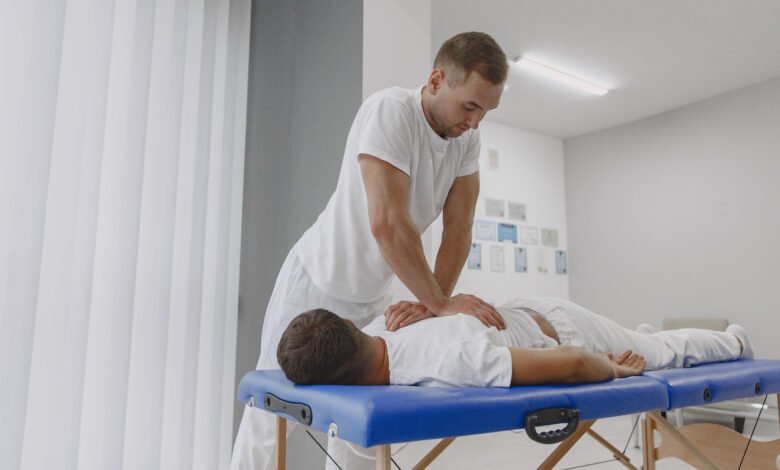
To achieve real structural change, you need a clinical approach. When you book a session for professional chiropractic massage therapy, you are receiving a highly targeted medical treatment. The therapists in a clinical setting work directly under the guidance of a physician. They understand complex human anatomy, biomechanics, and the specific injuries or misalignments you are currently battling.
Instead of just gently rubbing the surface of the skin to promote relaxation, a clinical therapist uses advanced techniques like deep tissue manipulation, myofascial release, and trigger point therapy. Their primary goal is to physically break down the dense adhesions and scar tissue that are binding your muscles together. It is a highly deliberate, results driven process designed to restore the natural elasticity of your muscle fibers so your joints can finally move freely.
The Mechanics of Muscle Tension and Joint Restriction
To understand why massage is so critical for joint health, you have to understand the basic mechanical relationship between your bones and your muscles. Your skeleton provides the structural framework for your body, but your bones cannot move on their own. Every single movement you make is dictated by the muscles that attach to those bones via tendons.
When a muscle becomes chronically tight from overuse, poor posture, or an untreated injury, it physically shortens. This shortened, rigid muscle constantly pulls on the joint it is attached to, compressing the joint space and restricting its natural movement. For example, if your hip flexors are chronically tight from sitting in an office chair all day, they will constantly pull your pelvis forward. This limits your hip extension and places a massive amount of pressure on your lower back joints.
You cannot simply force a compressed joint to move smoothly. If you attempt to push a restricted joint past its limit without addressing the tight muscles pulling on it, you risk tearing a ligament or causing severe inflammation. Clinical massage acts as the necessary release valve. By applying deep, sustained pressure to the shortened muscle fibers, the therapist forces the muscle to relax and lengthen. Once the tension is removed, the joint space opens up naturally, restoring your full range of motion.
Addressing the Epidemic of Upper Body Stiffness
One of the most common complaints treated in a modern clinical setting involves the upper body. We are currently living in an era where technology absolutely dominates our daily routines. The average person spends hours every single day hunched over a laptop or looking down at a mobile device. This unnatural posture forces the head forward, placing a tremendous amount of strain on the delicate muscles of the neck and the upper back.
Over time, this forward head posture causes the muscles in the chest to become incredibly tight and shortened, while the muscles in the upper back become overstretched and weak. This muscular imbalance locks the shoulders into a rounded, forward position, severely limiting your ability to reach overhead or turn your neck side to side. It is also a leading cause of tension headaches and sharp, radiating nerve pain.
Trying to resolve this specific type of restriction on your own with basic stretching is rarely effective. You need a professional who understands exactly how to release the dense fascia in the chest while simultaneously treating the inflamed tissues in the back. If you are struggling with severe upper body restriction, consulting a specialized chiropractor for shoulder pain is the most efficient way to break the cycle. They can utilize targeted massage to release the locked muscles and perform specific adjustments to restore proper motion to the shoulder joints and cervical spine.
The Perfect Synergy: Combining Adjustments with Soft Tissue Therapy
While clinical massage is incredibly beneficial on its own, it reaches its maximum potential when paired directly with routine chiropractic adjustments. These two modalities complement each other perfectly, addressing both the muscular and skeletal components of your pain simultaneously.
Think of your spine like the foundation of a house. If the foundation is crooked, the entire structure is compromised. When you have a subluxation (a misaligned vertebra in your spine), your body immediately senses the instability. In an effort to protect the spine, the surrounding muscles will spasm and lock up tightly. This is your body’s natural defense mechanism.
If a doctor attempts to adjust a spine that is surrounded by rigid, spasming muscles, the adjustment can be difficult and the muscles will often pull the bone right back out of alignment within a few hours.
This is exactly why receiving soft tissue work before an adjustment is a game changer. The therapist physically melts away the muscle tension, leaving the surrounding tissues warm, relaxed, and pliable. When the doctor steps in to perform the adjustment, the spine moves much easier, requiring less force to correct the misalignment. Furthermore, because the muscles are no longer tight and pulling aggressively on the bones, the adjustment holds its proper position for a significantly longer period of time, drastically speeding up your overall recovery process.
Accelerating Injury Recovery and Athletic Performance
You do not need to be a professional athlete to benefit from the performance enhancing effects of clinical massage. Whether you are a weekend warrior who enjoys playing golf, a dedicated runner, or someone who simply wants to keep up with their grandchildren in the backyard, maintaining healthy muscle tissue is essential for avoiding injury.
When you exercise or engage in heavy physical activity, you are creating microscopic tears in your muscle fibers. This is a normal part of building strength, but as those fibers heal, they often form random, disorganized webs of scar tissue. If this scar tissue is left untreated, it builds up over time, making the muscle stiff, brittle, and highly prone to tearing during your next workout.
Regular clinical massage prevents this buildup. The therapist uses cross friction techniques to break down the disorganized scar tissue and encourage the muscle fibers to align properly as they heal. This keeps your muscles highly elastic and incredibly resilient. Additionally, the deep pressure stimulates massive blood flow to the targeted areas, flushing out lactic acid and delivering the oxygen and nutrients your tissues desperately need to repair themselves.
Long Term Benefits for Your Nervous System
Beyond the obvious mechanical benefits of looser muscles and freely moving joints, regular clinical therapy provides massive benefits for your central nervous system. Chronic pain and physical restriction place your body in a constant state of sympathetic dominance, more commonly known as the “fight or flight” response.
When you are trapped in this state, your body is flooded with cortisol and adrenaline. Your heart rate remains elevated, your digestion slows down, and your immune system becomes suppressed. It is an incredibly exhausting way to live.
The deep, therapeutic touch of a clinical massage stimulates the parasympathetic nervous system, which is responsible for the “rest and digest” functions of the body. It forces your nervous system to calm down, lowers your heart rate, and drastically reduces the amount of stress hormones circulating in your bloodstream. This neurological shift not only makes you feel instantly relaxed, but it also creates the optimal internal environment for deep, systemic healing.
The Final Verdict on Reclaiming Your Range of Motion
Living with chronic stiffness and restricted mobility is a choice, not a life sentence. Your body is incredibly capable of healing and restoring its natural agility, provided you give it the proper tools and professional support.
By integrating clinical soft tissue therapy into your healthcare routine, you are directly addressing the root cause of your joint restriction. You are breaking down the dense scar tissue, relieving the intense muscular tension, and allowing your skeletal system to move freely and without pain. Do not wait until a minor ache turns into a debilitating injury. Take a proactive approach to your physical health, book a targeted clinical session, and experience exactly how good your body is actually designed to feel.
Frequently Asked Questions (FAQ)
Is clinical massage painful?
While a clinical session is more intense than a standard relaxation massage, it should never be agonizing. The therapist will use deep, targeted pressure to break up adhesions and trigger points, which can sometimes cause a “good hurts” sensation or mild discomfort as the tight muscles finally release. A professional therapist will always communicate with you throughout the session to ensure the pressure remains effective but entirely tolerable.
How often should I schedule a session for maximum mobility?
The frequency of your visits depends heavily on your current physical condition and your daily lifestyle. If you are dealing with a severe restriction, recovering from an auto accident, or battling chronic pain, you may benefit from weekly sessions to break the initial pain cycle. Once your baseline mobility is restored, transitioning to a maintenance schedule of one or two sessions per month is usually perfect for keeping your joints loose and preventing future injuries.
Do I need to be adjusted on the same day as my massage?
While you are not strictly required to do both on the same day, combining the two modalities in a single visit provides the absolute best results. Receiving soft tissue work immediately before your adjustment relaxes the muscles, making the skeletal correction smoother and ensuring the spine stays in its proper alignment much longer.
Can this type of therapy help with old sports injuries?
Absolutely. Old sports injuries are notorious for leaving behind massive deposits of dense scar tissue and chronic joint restriction long after the initial trauma has healed. Clinical techniques like myofascial release and cross friction massage are specifically designed to target and break down this old scar tissue, restoring elasticity to the injured area and significantly improving your range of motion.
Will my muscles feel sore after a deep clinical session?
It is very common to experience some mild soreness for twenty four to forty eight hours following a deep clinical session, similar to the feeling you get after a heavy workout. This occurs because the therapist has physically manipulated deep muscle layers and flushed stagnant toxins into your bloodstream. Drinking plenty of water after your appointment is highly recommended, as it helps your kidneys flush out these released toxins and significantly reduces any post massage soreness.
For More Information Visit: Rare Magazine