Why Fire Door Surveys and Certification Matter for Building Safety
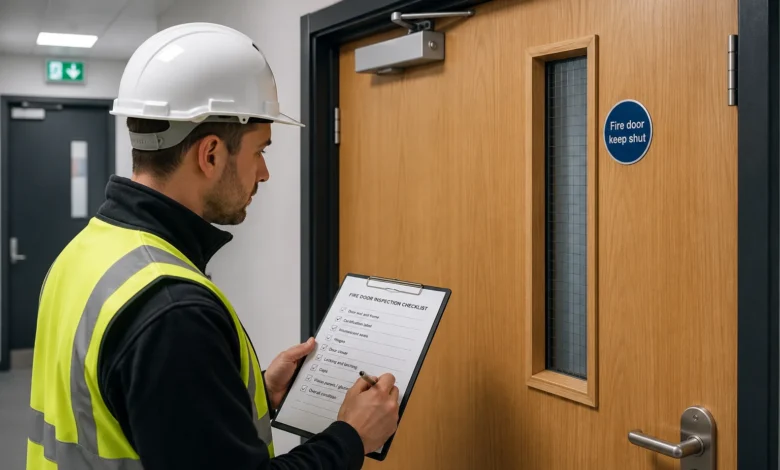
Fire doors are easy to overlook during everyday building management. They often look much like ordinary doors, but their purpose is very different. A correctly specified, installed and maintained fire door forms part of a building’s passive fire protection system, helping to restrict the movement of fire and smoke and protect escape routes.
For landlords, property managers, freeholders and businesses, keeping fire doors in suitable condition is therefore about much more than having the right type of door installed. Doors need to remain functional throughout their service life, which is where professional fire door surveys, routine inspections, maintenance and appropriate compliance documentation become important.
Understanding the difference between a Fire Door Survey London and a Fire Door Certificate London can also help building managers make better decisions about inspections, remedial work and ongoing fire safety management.
What Is a Fire Door Survey?
A Fire Door Survey is a detailed assessment of existing fire doors and their associated components.
Rather than simply confirming that a door is present, a competent inspector examines the complete door assembly and considers whether visible defects or alterations could affect its ability to perform as intended.
A typical survey may examine:
- The fire door leaf
- Door frame condition
- Perimeter gaps and threshold gaps
- Intumescent strips
- Cold smoke seals
- Self-closing devices
- Fire-rated hinges
- Locks, handles and other ironmongery
- Fire-rated glazing where fitted
- Letterplates and viewers
- Door alignment
- Closing and latching performance
- Signs of damage, modification or deterioration
- Available identification labels or certification markings
This matters because relatively small defects can affect the performance of an otherwise suitable fire door.
A damaged smoke seal, poorly adjusted closer or door that fails to shut fully into its frame should not simply be dismissed because the door leaf itself appears to be in good condition.
Why Regular Fire Door Surveys Are Important
Fire doors are working components of a building rather than static pieces of construction.
They may be opened hundreds of times each week, particularly in apartment blocks, HMOs, hotels, offices, healthcare buildings and other high-occupancy premises.
Over time, normal use can result in doors dropping on their hinges, closers becoming incorrectly adjusted, seals becoming damaged or gaps gradually changing.
Alterations to the property can create additional problems. Locks may be replaced, new letterplates installed, doors repainted incorrectly or unsuitable hardware added without considering the original fire performance of the doorset.
A professional fire door survey helps identify these problems before they are allowed to develop further.
It can also provide landlords and building managers with a structured record showing which doors have been inspected, what defects were found and what action should be considered.
Fire Door Responsibilities in Residential Buildings
Fire door management has received particular attention in multi-occupied residential buildings.
The Fire Safety Act 2021 clarified that flat entrance doors between domestic premises and common parts fall within the scope of the Regulatory Reform (Fire Safety) Order 2005.
The Fire Safety (England) Regulations 2022 introduced additional fire-door checking requirements for certain residential buildings.
For buildings containing two or more domestic premises where the top storey is more than 11 metres above ground level, Responsible Persons are required to use best endeavours to check flat entrance fire doors at least every 12 months. Fire doors in communal areas must be checked at least every three months.
These routine requirements do not mean that buildings below 11 metres can simply ignore their fire doors. Fire safety duties and the requirement to maintain appropriate precautions continue to apply more broadly.
What Common Problems Does a Fire Door Survey Find?
One of the main benefits of a professional inspection is identifying defects that may not be obvious during a casual visual check.
Excessive Door Gaps
Fire doors need to fit correctly within their frames. Excessive gaps can affect the ability of the door assembly to restrict the passage of fire and smoke.
Inspectors therefore examine gaps around the sides, top and threshold of the door and consider them alongside the specification of the particular doorset.
Missing or Damaged Smoke Seals
Smoke can travel rapidly through a building during a fire. Where smoke seals are required, missing, painted-over, damaged or incorrectly fitted seals can compromise their intended performance.
Faulty Self-Closing Devices
Many fire doors rely on self-closing devices to return them to the fully closed position after use.
A closer that is too weak, incorrectly adjusted or damaged may leave the door partially open. Even a small opening can undermine the purpose of the fire door.
Damaged Door Leaves or Frames
Cracks, holes, warping, damaged glazing and poorly completed alterations can all affect a fire door assembly.
Frames also matter. A certified door leaf fitted into an unsuitable or badly damaged frame cannot automatically be assumed to provide the required fire resistance.
Incorrect Hinges and Ironmongery
Fire door components work together as a tested or specified assembly.
Incorrect hinges, locks, handles, letterplates or other hardware can create weak points, particularly where unsuitable modifications have been made after the original installation.
What Happens After a Fire Door Survey?
A good survey should lead to clear action rather than simply producing a list of technical observations.
Following an inspection, the property owner or Responsible Person should be able to understand which doors are satisfactory, which require attention and how significant the identified defects are.
Corrective action could involve relatively minor adjustments, such as:
- Realigning the door
- Adjusting the self-closer
- Replacing damaged smoke seals
- Replacing suitable fire-rated hinges
- Correcting door gaps
- Repairing damaged components
- Upgrading incompatible ironmongery
More significant defects may require specialist remedial work or, where the existing assembly cannot reasonably be restored to the required standard, complete fire door replacement.
This is one reason surveys are particularly valuable across larger portfolios: they allow managers to prioritise work instead of automatically replacing every door that shows a defect.
What Is a Fire Door Certificate?
A Fire Door Certificate provides documented evidence relating to the inspection, installation, repair or compliance status of a fire door following the relevant assessment or completed work.
Documentation can be particularly useful for landlords, freeholders, managing agents, businesses and facilities managers who need organised fire safety records.
Depending on the service undertaken, documentation may identify the door inspected, its condition, the work completed, inspection findings and any supporting photographic evidence.
However, certification should never be treated as a substitute for proper inspection.
The physical condition of the fire door is what matters. Documentation should reflect the condition and work that has actually been assessed rather than becoming a simple paperwork exercise.
Fire Door Survey vs Fire Door Certificate
Although the terms are sometimes used together, they serve different purposes.
A fire door survey is primarily an assessment process. It examines the door and identifies defects, risks or remedial requirements.
A fire door certificate is primarily documentation associated with the relevant inspection or completed compliant works.
For example, a building manager might arrange a survey of 20 flat entrance and communal doors. The survey could identify that 14 doors are satisfactory while six require remedial attention.
Those six doors may then need adjustments, new seals, closer repairs or other corrective works before their final condition can be appropriately documented.
This approach makes compliance records more meaningful because they are supported by inspection and corrective action.
Which Properties Benefit From Professional Fire Door Surveys?
Fire door surveys are relevant across a wide variety of buildings.
Blocks of Flats
Flat entrance doors and communal fire doors are important parts of the building’s compartmentation and escape-route protection strategy.
Managing agents, freeholders and block managers should therefore pay close attention to their ongoing condition.
HMOs and Shared Accommodation
HMOs may contain numerous doors protecting bedrooms, corridors, stairways, kitchens and communal areas.
Because of frequent use and shared escape routes, these doors can require particularly careful monitoring.
Offices and Commercial Buildings
Commercial buildings may depend on fire doors to separate offices, plant rooms, corridors, staircases, storage areas and higher-risk locations.
Schools and Educational Premises
Doors in schools can experience significant daily traffic. Regular inspection can help identify damaged hardware, closers and door assemblies before defects become more serious.
Hotels and Hospitality Properties
Hotels contain large numbers of bedroom and corridor doors, making planned fire door inspection and maintenance an important part of overall fire safety management.
Healthcare Buildings
Healthcare premises can present complex evacuation requirements, making reliable compartmentation particularly important.
Fire doors may therefore form an essential part of the wider strategy for controlling smoke and fire movement.
Why Fire Door Records Matter
Fire safety management should be demonstrable as well as practical.
Keeping appropriate inspection reports, photographs, maintenance information and supporting documentation can help building managers maintain an auditable history of their fire doors.
These records may also prove useful when responding to:
- Fire risk assessment recommendations
- Managing-agent compliance reviews
- Property licensing requirements
- Insurance queries
- Maintenance planning
- Contractor works
- Internal safety audits
- Enforcement enquiries
A documented inspection history can also make future surveys easier because inspectors can identify repeated defects and determine whether previous recommendations have been addressed.
Survey, Repair and Certification Should Work Together
Fire door compliance is best treated as an ongoing process.
Installing a compliant door is only the beginning. The door then needs to be kept in suitable condition throughout its working life.
An effective approach usually follows a straightforward cycle:
Inspect → Identify defects → Repair or replace where necessary → Re-inspect → Document → Maintain
This allows building owners to focus spending where it is genuinely required while keeping better control of their fire safety responsibilities.
Professional Fire Door Services in London
Property owners who are unsure about the condition of their fire doors can benefit from having the complete doorset professionally assessed rather than relying purely on visual appearance.
Liviosiv provides fire door inspection, surveying, remedial, repair, replacement and certification services across London for landlords, managing agents, freeholders, HMOs, residential blocks and commercial properties.
Their Fire Door Survey service is designed to identify defects across the complete door assembly and provide practical recommendations where corrective work is needed.
Where an inspected, repaired or installed door meets the applicable requirements, appropriate Fire Door Certificate documentation can form part of the property’s wider fire safety records.
Final Thoughts
Fire doors only provide meaningful protection when the entire doorset operates correctly.
A door may appear substantial yet still have damaged seals, unsuitable gaps, defective hinges or a closer that prevents it from shutting properly. These are precisely the types of issues that regular professional inspections are intended to identify.
For landlords, businesses and property managers, arranging fire door surveys and maintaining appropriate certification records creates a much stronger approach than waiting for defects to become obvious.
Ultimately, fire door safety is not about collecting certificates. It is about making sure the physical doors protecting occupants and escape routes remain capable of doing the job they were installed to do.
For More Information Visit: Rare Magazine