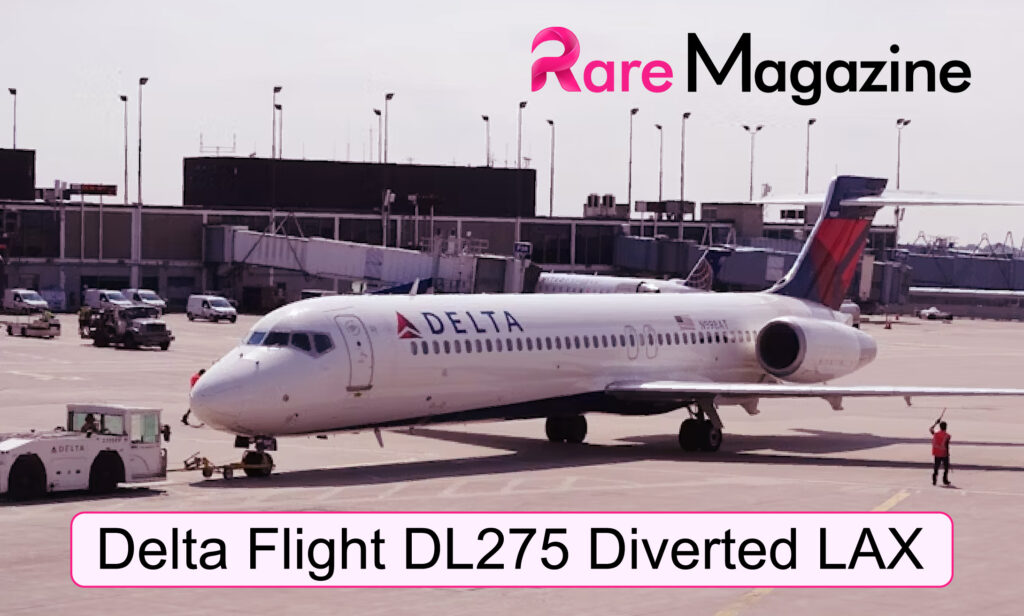
Delta flight DL275 diverted LAX on May 28, 2025, during a long trans-Pacific trip from Detroit to Tokyo. The diversion caught attention worldwide because the flight used a modern Airbus A350-900 and highlighted how aviation safety works in real time. While most international flights cross oceans without incident, this case shows how one technical fault can change the course of a journey. In this article, we will look at the exact cause, why Los Angeles was chosen, how passengers experienced the event, and what this means for modern air travel. The story is one of safety, professionalism, and calm decision-making that kept everyone secure.
What is Delta Flight DL275 and Where was it Heading
DL275 is a scheduled Delta Air Lines service that connects Detroit Metropolitan Wayne County Airport with Tokyo Haneda. On the day of the diversion, the aircraft was an Airbus A350-900 powered by Rolls-Royce Trent XWB engines. These engines are among the most advanced in commercial aviation, designed for long-haul flights with efficiency and safety in mind. Public flight logs confirm the aircraft’s route, registration, and landing at Los Angeles after the crew made a mid-ocean decision to change course. What began as a normal trip to Japan turned into an unscheduled landing in California, but it was managed with care.
When Did Delta Flight DL275 Divert to LAX
The diversion took place overnight on May 27–28, 2025. Flight data and aviation reports show the aircraft turned toward Los Angeles several hours into its journey while crossing the North Pacific. By early morning, it landed safely at the Los Angeles International Airport. Emergency services were in position on the runway, as is standard whenever a large international jet diverts. The A350 touched down smoothly on Runway 06R, matching details confirmed by live flight trackers and airport spotters. The safe landing was a relief for passengers and proof of strong safety planning.
Why Did Delta Flight DL275 Divert Instead of Continuing to Tokyo
Investigations and airline reports point to a problem in the engine anti-ice system. This system protects the front of the engine and intake areas from ice when the aircraft flies through cold moist air at cruise level. When an anti-ice system shows a fault the risk is not immediate fire or smoke. The risk is loss of proper airflow and a drop in engine margin during hours of flight over remote water where no nearby airport exists. Aviation rules and company policy require avoiding long stretches over water without full protection. The pilots therefore made the smart and safe choice to divert.
Why Choose Los Angeles Instead of a Closer Airport
Some may wonder why the crew did not choose Anchorage or Seattle. The answer lies in a balance of distance, safety, maintenance support, and passenger needs. Los Angeles is one of Delta’s largest hubs, which means the airline can immediately access expert Airbus A350 engineers, spare parts, and Rolls-Royce support staff. LAX also offers very long runways and a full emergency response team at any hour. Importantly, Los Angeles has many daily flights to Tokyo and other Pacific destinations, which makes rebooking passengers far easier. The choice of LAX ensured both technical support and passenger care could be handled without delay.
The Confirmed Timeline in Simple Terms
The aircraft left Detroit in the afternoon of May 27, 2025, after a slight delay caused by a late inbound plane. Hours later, while cruising over the North Pacific, the crew detected the anti-ice system fault. The pilots coordinated with airline operations and air traffic control, then turned toward Los Angeles. For the next several hours, the aircraft continued flying safely, at normal altitude and speed, with no loss of control. In the early morning of May 28, it landed at LAX. Ground teams stood ready, but the landing was smooth, and there were no injuries. For passengers, it was a long night but one that ended safely.
Understanding the Cause: How Engine Anti-Ice Works on an A350
Engines at high altitude must stay free of ice to keep airflow strong. The Airbus A350 uses hot compressed air, known as bleed air, to warm the engine intake and other key parts. This air keeps ice from forming when the outside temperature can drop to minus 50 degrees Celsius. If sensors detect that hot air is not reaching the right areas, the crew must change the plan. Continuing over the Pacific with an anti-ice fault would risk reduced engine performance. In this case, the aircraft’s systems worked as designed by alerting the pilots in time, and the pilots acted to protect the flight.
What Passengers Experienced During Delta Flight DL275 Diverted LAX
For passengers, the experience was unexpected but managed calmly. According to reports shared online, some travelers felt worried while others stayed relaxed once the crew explained the situation. The cabin crew made announcements, reassured passengers, and continued normal service as much as possible. Many people used their phones to update family or post on social media. Once the aircraft landed safely, relief turned into praise for the professionalism of the crew. What could have been a stressful event instead showed how training and clear communication make a big difference in keeping passengers calm.
What Happened Right After Landing at LAX
When a widebody aircraft diverts, standard procedures follow. At LAX, fire and medical teams were ready on the runway. The aircraft taxied to a gate where maintenance staff could inspect it. Passengers remained seated until deplaning could be arranged, which also involved customs rules since the flight was international. Once off the plane, travelers received updates and support from Delta staff. Hotel stays, meal vouchers, and rebooking were provided for those needing onward travel. Despite the disruption, the arrival process was organized, showing how airports and airlines prepare for events like this.
How Delta Handled Rebooking and Care
Delta’s reputation for strong customer care was clear that night. Passengers were quickly rebooked on later flights to Tokyo or rerouted through other hubs. For those who needed rest, hotel rooms near the airport were arranged, and shuttle buses transported passengers there. Meal vouchers and updates helped reduce stress. While the diversion delayed many plans, the airline’s quick response made sure that everyone was looked after. Reports following the incident show that travelers appreciated both the communication and the care provided.
Was There an Emergency Declaration
There was no Mayday call linked to this flight. A diversion does not always require a formal emergency declaration if the crew still has full control of the aircraft. Instead, the pilots requested priority handling to reach Los Angeles quickly and safely. The landing was normal, with emergency services standing by as a precaution. This shows how aviation rules allow flexibility: crews can act early to protect passengers without waiting for a crisis to develop.
Could the Flight Have Continued to Tokyo
Technically, the aircraft could still fly with one anti-ice system fault. However, continuing over the Pacific Ocean for many more hours would have left no safe options if conditions worsened. Airline policy and aviation rules strongly advise against that risk. The choice to divert was therefore the safest option. By heading to Los Angeles, the crew ensured passengers were never in danger and the aircraft could be inspected without delay. Safety always comes before schedule in modern aviation.
How Much Did the Diversion Cost
Industry estimates suggest the diversion cost Delta millions of dollars, with figures often placed around 2.0 to 2.3 million. These estimates include extra fuel, landing fees, hotel rooms, meal vouchers, and lost revenue from the cancelled Tokyo segment. While these numbers are not official airline figures, they show how costly diversions can be. Still, every airline accepts such costs because safety comes first. The smooth handling of this event shows how much value is placed on passenger well-being over profit.
What Maintenance Checks Likely Followed at LAX
Once on the ground, Delta’s engineers inspected the anti-ice system. This likely included checking valves, sensors, and ducts that channel hot air into the engine inlets. The Airbus A350 also records detailed flight data, which allows engineers to review the system’s performance across earlier flights. If a faulty part were found, it would have been replaced before the aircraft returned to service. Reports confirm that the aircraft was grounded for about 18 hours for full inspection before flying again, a timeline that reflects Delta’s commitment to safety.
Why Runway 06R at LAX Matters in This Story
Los Angeles International Airport has several long runways. Runway 06R is one of the longest and is ideal for large aircraft arriving with more fuel than usual, as happens during diversions. Longer runways allow jets to land at higher weights while still leaving extra stopping distance. The choice of this runway gave the pilots additional margin and made the landing even safer. Spotters at the airport confirmed the use of Runway 06R, adding another detail to the record of that night.
How the Event Fits with Airline Safety Culture
Modern aviation is built on layers of safety. Aircraft systems detect problems. Pilots follow strict checklists and training. Dispatch teams on the ground provide guidance. Air traffic control clears the way. Airports prepare emergency crews. In the case of Delta flight DL275 diverted LAX, all these layers worked together. A technical fault was detected, a decision was made, and the aircraft landed safely where support was ready. The system did exactly what it is designed to do—protect lives and ensure calm handling of unexpected events.
Passenger Rights and Practical Tips After a Diversion
Diversions can be stressful, but passengers do have rights. Airlines are expected to provide food, water, and hotel rooms if delays stretch overnight. They must also help rebook passengers to their final destination. For travelers, it is wise to keep essentials such as passports, medicine, chargers, and snacks in a carry-on bag in case plans change mid-flight. Apps like the Delta mobile app also provide live rebooking options, which can save time. In this event, Delta’s support showed how major airlines prepare to assist customers when things do not go as planned.
What Data Confirms the Diversion and Timeline
Flight history logs from services such as FlightAware and reports from aviation outlets like Simple Flying and AIRLIVE confirm the key details. These include the flight number, route, timing, aircraft type, and landing runway. While not official accident reports, they are trusted by aviation professionals and enthusiasts alike. Together, they provide a consistent picture of the event and confirm the timeline of May 27–28, 2025. This consistency across sources makes the story reliable for the public record.
Did Weather Cause the Diversion
There were no reports of storms or turbulence as the main reason for the diversion. The issue was clearly tied to the engine anti-ice system, not the weather. However, the cold air over the North Pacific made the system’s fault more serious, since icing conditions are common even in calm skies. This is why the alert was taken so seriously and why the diversion was necessary. The weather itself was not the direct cause but made the fault more important to address quickly.
Could New Technology Prevent Events Like This in the Future
Airlines are investing in predictive maintenance tools that analyze aircraft data in real time. These tools can detect unusual patterns in valves or sensors before they fail. Commentaries suggest that with such technology, this fault might have been detected hours before departure. While not all such claims are confirmed, the direction of the industry is clear. Smarter monitoring will reduce the chance of unexpected diversions in the future. This means safer skies and fewer disruptions for passengers.
What This Means for Travelers Who Fly Long Routes Over Water
Most diversions never reach the news, because they are handled smoothly. Crews always plan alternate airports, airlines design networks that support rebooking, and airports keep rescue teams on alert. The case of Delta flight DL275 diverted LAX is a reminder of how all these systems work together. It also shows why a longer flight to a major hub can sometimes be safer than a shorter trip to a small airport without the right facilities. For passengers, the key takeaway is that diversions are not signs of danger but of safety in action.
You May Read Also: Who Is Kelly South? Inside the Life of Kid Rock’s Son’s Mom
Final Thoughts: Delta Flight DL275 Diverted LAX
The diversion of Delta flight DL275 to Los Angeles was a clear example of safety systems working as they should. A technical fault was detected, the pilots made a professional decision, and the aircraft landed safely with no injuries. The choice of Los Angeles provided both strong technical support and passenger care. While the event caused delays and costs, it showed how calm planning protects lives. For travelers, it is a reminder that behind every flight are teams trained to manage the unexpected. The story of DL275 is not one of fear but of relief and confidence in modern aviation.
FAQs About Delta Flight DL275 Diverted LAX
Why was Delta flight DL275 diverted to LAX?
Delta flight DL275 diverted to LAX because of a fault in the engine anti-ice system. This system protects the engines from ice at high altitudes, and without it, flying across the Pacific Ocean was not safe.
Was Delta flight DL275 an emergency?
The diversion was precautionary, not a full emergency. The pilots followed safety rules, and the aircraft landed smoothly at Los Angeles International Airport with no injuries.
Why did the pilots choose Los Angeles instead of another airport?
Los Angeles is a Delta hub with long runways, expert Airbus A350 maintenance, and many flight options for rebooking passengers. It was the safest and most practical choice.
How were passengers affected after Delta flight DL275 diverted LAX?
Passengers were delayed but kept safe. Delta provided hotel rooms, meal vouchers, and rebooked flights so travelers could continue their trips to Tokyo or other destinations.
What can travelers learn from Delta flight DL275 diverted LAX?
The event shows that diversions are part of aviation safety. Pilots and crew are trained to act early, so even if plans change, the top priority is always passenger safety.
How did passengers react when Delta Flight DL275 diverted LAX?
Most passengers stayed calm after the crew explained the situation. Social media posts showed relief and praise for the safe landing and clear communication.
Does Delta Flight DL275 diverted LAX mean flying is unsafe?
No. The diversion shows that aviation safety works. Systems alerted the pilots, and the crew acted early to avoid risk. This proves flying remains one of the safest ways to travel.
Will future technology help prevent diversions like Delta Flight DL275 diverted LAX?
Yes. Airlines are adding predictive maintenance tools that can detect faults before flights. These systems could reduce unexpected diversions and make long-haul travel even safer.
For More Information Visit Rare Magazine