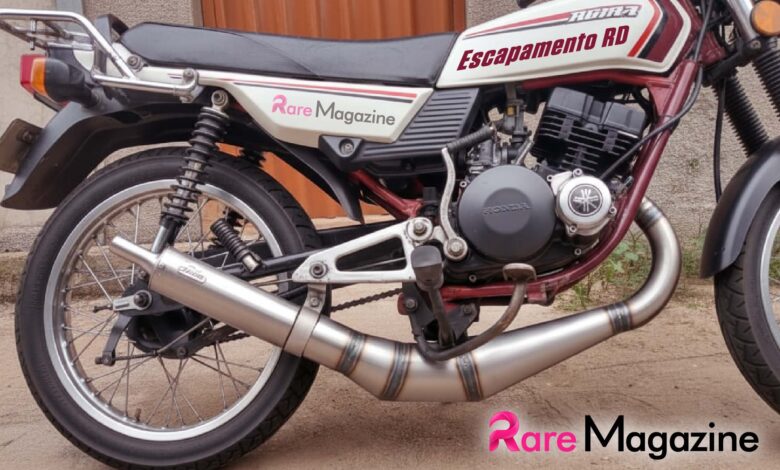
Escapamento RD is more than just an exhaust, it’s the heart and voice of Yamaha’s legendary RD motorcycles. Known for their thrilling two-stroke power and unforgettable sound, these bikes became symbols of speed and freedom across the world. The Escapamento RD shapes how the engine breathes, performs, and sings that sharp, high-pitched note riders love. From city streets in Brazil to race tracks around the globe, its sound has defined generations of fans. In this guide, you’ll explore how the Escapamento RD works, what makes its expansion chamber so effective, and how tuning, materials, and care keep Yamaha’s two-stroke spirit alive today.
What Is Escapamento RD?
The word “escapamento” means “exhaust” in Portuguese, and “RD” stands for Yamaha’s Race Developed series of motorcycles. Together, “Escapamento RD” refers to the exhaust system designed for these powerful two-stroke bikes, such as the RD125, RD135, RD250, and the legendary RD350. The exhaust does far more than carry gases away from the engine. In a two-stroke, it controls pressure, influences performance, and defines the bike’s personality.
For enthusiasts in Brazil, the RD and its exhaust system became a symbol of speed and individuality. Riders modified and tuned their pipes to find the perfect sound and power curve. Even decades after Yamaha stopped producing RD models, the fascination with the Escapamento RD continues because it represents both mechanical brilliance and emotional connection.
You May Also Read: What Is Hitaar? History, Meaning, and Modern Significance Explained
The Origins of the Yamaha RD Series
The Yamaha RD story began in the early 1970s when the company wanted to bring race-inspired technology to the streets. The “RD” in its name stood for “Race Developed,” a promise that each model carried competition DNA. Lightweight frames, aggressive engines, and quick handling made the RD bikes an instant hit. They offered high performance at a price every rider could afford.
In countries like Brazil, the RD350 became a cultural icon. Its combination of power, lightness, and sound earned it the nickname “Viúva Negra,” or “Black Widow.” The sound from its Escapamento RD turned heads long before the bike came into view. Over the years, the RD evolved, but one thing stayed the same, the central role of its exhaust system in shaping the riding experience.
How Escapamento RD Works – Inside the Two-Stroke Expansion Chamber
A two-stroke engine is simple, yet it depends heavily on the exhaust to make power. Unlike four-stroke engines, which use valves, a two-stroke engine breathes through ports that open and close as the piston moves. The Escapamento RD, with its unique shape called an expansion chamber, helps control the flow of gases and pressure inside the cylinder.
When the piston moves down, it pushes burned gases out through the exhaust port. At that same moment, fresh air and fuel enter the cylinder. Without help, some of that fresh mixture could escape, wasting fuel and power. The Escapamento RD solves this problem through pressure waves. The expanding cone of the exhaust creates a low-pressure wave that helps pull gases out, while the converging cone (the section that reflects pressure back toward the cylinder) sends a high-pressure wave back to push unburned fuel into the cylinder. The stinger (the small outlet tube that controls backpressure and heat) manages final flow. This clever process boosts torque and power while producing the signature high-pitched two-stroke sound.
Stock vs. Sport (Aftermarket) Escapamento RD Systems
Yamaha carefully engineered the stock exhaust on an RD to deliver balanced performance and meet noise and emission laws. It offered smooth power and a quiet tone that suited daily riding. However, many riders wanted more. They wanted the engine to breathe deeper, rev higher, and sound louder. That desire gave birth to a thriving aftermarket scene.
Sport or custom Escapamento RD systems often use optimized cone lengths and diameters to target specific RPM ranges. A shorter, wider chamber favors top-end speed, while a longer, narrower one strengthens midrange torque. Brazilian workshops became famous for building handmade exhausts that improved performance and gave each bike a unique character. Modern brands like Dogster, RR Tuned, and Toomey Racing continue that tradition, offering designs that range from street-friendly to track-focused.
Materials and Design – Choosing the Right Build
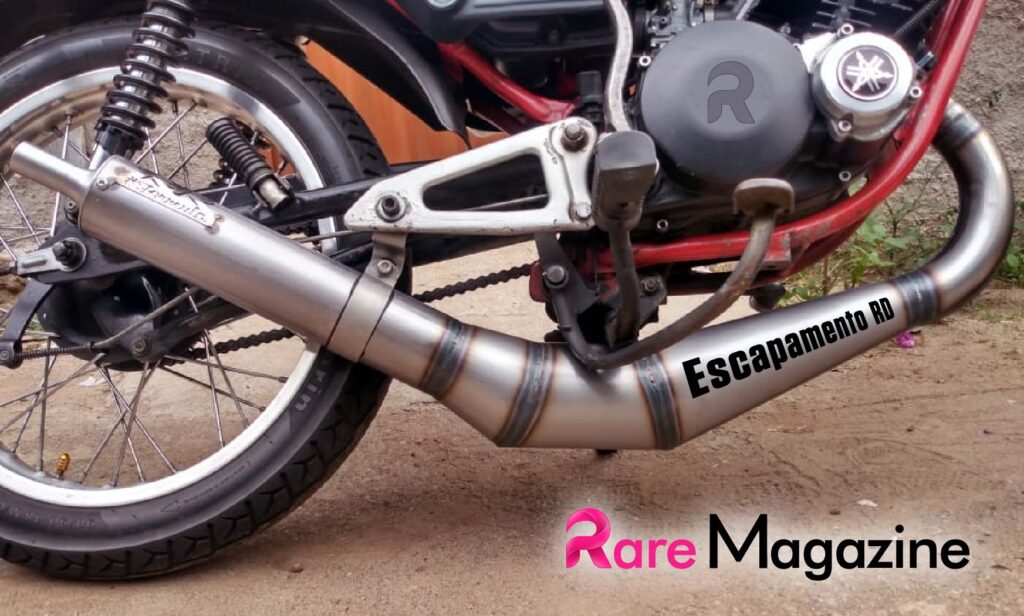
The materials used in an Escapamento RD influence not only performance but also appearance and durability. Stainless steel, often called Inox, is a favorite among builders because it resists rust and maintains a bright, polished look. It is durable, easy to maintain, and adds a modern touch to classic bikes. Mild steel is another common choice, appreciated for its light weight and authentic vintage look, although it needs regular care to prevent corrosion.
Some riders prefer chrome-plated pipes for their shiny finish, while others seek lightweight materials like titanium or carbon fiber. The design also plays a huge role. Well-crafted welds, smooth internal transitions, and precise cone angles determine how efficiently gases move through the chamber. Whether handmade or factory-produced, a properly designed exhaust turns raw engine energy into smooth, responsive power.
Sound and Identity – The Voice of the RD
No other motorcycle sound matches the crisp scream of an RD fitted with a tuned Escapamento. The note rises sharply as RPMs climb, echoing the spirit of pure performance. For many riders, that sound is not just mechanical noise, it’s emotion, nostalgia, and pride all rolled into one. In the 1980s and 1990s, the sharp crack of an RD exhaust was part of the urban soundtrack in many Brazilian cities.
The sound of the Escapamento RD is shaped by the expansion chamber’s dimensions and the silencer’s packing. A well-packed silencer softens the tone slightly while loose or burned-out packing creates a rawer, louder bark. Riders often tune the sound to reflect their style, from mellow rumbles to race-ready howls. Even today, online videos capturing RD exhaust notes attract millions of views because that two-stroke music never grows old.
Performance Gains and Realistic Expectations
Upgrading to a performance Escapamento RD can transform the feel of your motorcycle. A well-tuned pipe increases throttle response and helps the engine reach higher RPMs more smoothly. The real magic, however, lies in how it broadens the powerband, giving you stronger acceleration in the midrange and more pull at the top end. On a dyno, a quality aftermarket exhaust can show power gains between 5–15% depending on the setup and tuning.
Still, every modification comes with balance. An exhaust tuned for maximum top-end power may sacrifice low-RPM smoothness. This is why choosing the right design for your riding style matters. Street riders usually prefer a wide, usable power range while racers chase high-rev power. Real performance is not only about horsepower numbers, it’s about how the bike responds under your hand.
Tuning and Setup – How to Make Your Escapamento RD Perform
Installing a new Escapamento RD is only the first step. To unlock its full potential, you must tune the engine to match it. Two-stroke motors are sensitive to changes in exhaust flow. When gases move faster, the engine needs more fuel and sometimes different ignition timing. Rejetting the carburetor is the key. Starting with a slightly richer fuel mixture prevents overheating and then gradually fine-tuning the jets helps find the perfect balance between power and safety.
Reed valves and intake condition also affect how the exhaust performs. Fresh reed petals and a well-sealed intake manifold keep airflow consistent, while small ignition adjustments can help manage temperature and detonation. Tuning may take patience, but once done correctly, the result is a smoother, stronger, and more responsive RD that feels alive under throttle.
Installation Tips for a Clean, Leak-Free Fit
A well-installed Escapamento RD not only looks great but also ensures reliable performance. Always use fresh exhaust gaskets to prevent air leaks because even a small gap can ruin jetting and reduce power. Align the pipes carefully before tightening the bolts so the cones and stinger sit naturally without tension. Misalignment can cause stress cracks or vibration damage over time.
It’s also smart to check for clearance between the exhaust and moving parts like the kickstarter, rear brake pedal, and swingarm. Once everything fits correctly, apply high-temperature sealant at joints and tighten evenly. A leak-free exhaust helps maintain consistent backpressure, allowing your engine to deliver its full power potential.
Maintenance and Common Issues
Like any performance part, an Escapamento RD needs regular care to stay in top shape. Because two-stroke engines burn oil with fuel, carbon buildup inside the pipe is inevitable. Over time, this residue can block flow and change the exhaust’s sound. Cleaning, or “decarbonizing,” the pipe once or twice a year restores performance. You can do this by heating the pipe to burn out deposits or using a chemical cleaner designed for exhaust systems.
Rust is another common problem, especially with mild steel pipes. Keeping the surface coated with high-temperature paint or protective oil helps prevent corrosion. Silencers also require maintenance. The packing material inside should be replaced when it becomes hard or dirty. Fresh packing not only keeps noise under control but also maintains the correct exhaust pressure. Routine inspections for cracks, leaks, and worn mounts will ensure the system performs reliably for years.
Legal, Environmental and Compliance Considerations
While the Escapamento RD is celebrated for its power and sound, it can sometimes attract attention for the wrong reasons. In many cities, noise regulations limit how loud a motorcycle exhaust can be. Riders must ensure their systems meet local sound limits to avoid fines or inspection issues. Some aftermarket exhausts come with removable silencers or inserts to reduce volume for street use while still delivering strong performance.
Environmental concerns also play a role. Two-stroke engines naturally produce more emissions than modern four-strokes. Although many RD models are now considered classics, responsible ownership means keeping engines well-tuned and avoiding excessive smoke or noise. Respecting community rules ensures that the RD legacy remains positive and admired rather than criticized.
Escapamento RD in Brazilian and Global Two-Stroke Culture
In Brazil, the Escapamento RD is more than a motorcycle part, it is a piece of cultural history. Workshops across the country still build custom pipes, keeping the spirit of the RD alive. Riders gather at events to compare sound, performance, and craftsmanship. Each exhaust tells a story about its owner’s creativity and passion. The RD culture spread beyond Brazil too, inspiring enthusiasts in Europe, Japan, and the United States.
Online, entire communities share videos, restoration projects, and tuning tips. The internet has become the new meeting point for the RD generation, connecting old-school mechanics with young riders discovering two-strokes for the first time. Whether on the streets of São Paulo or in American garages, the Escapamento RD remains a symbol of individuality and mechanical artistry.
Future and Innovation – The Next Chapter for RD Exhausts
Even though Yamaha no longer produces the RD series, innovation around its exhaust design continues. Modern builders are blending classic shapes with computer-aided design to create pipes that look vintage but perform better than ever. Some companies experiment with lightweight metals and advanced welding techniques to reduce weight and improve flow. Others focus on creating replica systems that preserve the original sound and look for restoration projects.
Digital technology is also keeping the RD alive in new ways. Video games, sound simulators, and virtual restoration tools now let riders experience the Escapamento RD even if they never owned the real bike. The legacy is evolving, bridging the gap between tradition and modern engineering.
Why Escapamento RD Still Matters Today
In 2025, the Escapamento RD still represents everything riders love about motorcycling, freedom, sound, and the thrill of control. It reminds us of an era when performance came from mechanical precision and human skill rather than electronics. Even as electric bikes grow in popularity, the soul of a two-stroke RD remains unmatched.
The Escapamento RD continues to inspire builders, collectors, and dreamers. It connects generations through a shared passion for speed and creativity. Every time an RD fires up and its exhaust echoes through the air, it brings back the same excitement riders felt decades ago.
You May Also Read: Pabington: Meaning, Origins and Why Everyone Is Talking About It
Conclusion – The Heartbeat of Yamaha’s Two-Stroke Legend
The Escapamento RD is not just an exhaust. It is the heart and voice of Yamaha’s most beloved two-stroke machines. Its design shaped how those motorcycles performed, how they sounded, and how they made riders feel. From race tracks to city streets, from Brazil to the United States, the Escapamento RD became a legend that refuses to fade.
Owning or even hearing one today is like touching history, a reminder that true engineering artistry never goes out of style. The RD may belong to the past but its sound still echoes into the future, carrying the spirit of freedom and speed that defined an entire generation of motorcyclists.
FAQs About Escapamento RD
What is Escapamento RD?
Escapamento RD is the exhaust system made for Yamaha’s RD two-stroke motorcycles. It controls engine pressure, helps create power, and gives the RD its famous sharp, high-revving sound.
How does an Escapamento RD improve performance?
It boosts performance by improving exhaust flow and pressure balance inside the two-stroke engine. This helps the motor burn fuel more efficiently and increases torque, throttle response, and top-end speed.
What makes the Escapamento RD sound unique?
The sound comes from the expansion chamber’s shape. As exhaust waves bounce through the pipe, they create the crisp, screaming tone that two-stroke fans love.
Can I use a sport or aftermarket Escapamento RD on my bike?
Yes, you can. Sport exhausts offer stronger power and louder sound, but you must tune the carburetor correctly to protect the engine and follow your area’s noise rules.
What material is best for an Escapamento RD?
Stainless steel is best for most riders because it resists rust and lasts longer. Mild steel gives a vintage look but needs more care, while carbon fiber or titanium is lighter but more expensive.
How often should I clean or service my Escapamento RD?
Clean the inside every few months or after long use to remove carbon buildup. Replace the silencer packing if the sound changes or gets louder, and regularly check for rust or leaks.
Is an Escapamento RD street-legal in the United States?
It depends on local laws. Many cities limit motorcycle noise, so choose a model with a silencer or removable dB killer to stay within legal sound levels.
Why do riders still love the Escapamento RD today?
Because it’s more than a part, it’s a symbol of Yamaha’s two-stroke era. The Escapamento RD mixes power, style, and emotion, keeping the classic RD spirit alive for riders and collectors around the world.
You May Also Read: Delta Flight DL275 Diverted LAX: Cause and What Happened
For More Information Visit: Rare Magazine