How To Choose The Right Insulation Contractor For Your Property
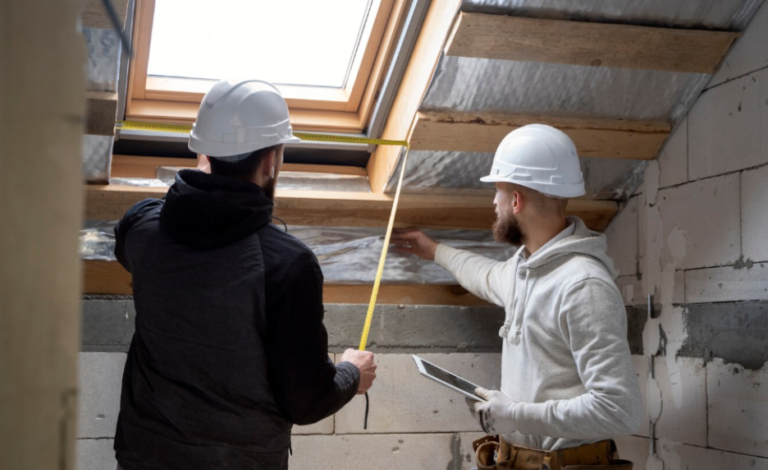
When a large number of companies are providing similar services, it may be difficult to select the appropriate insulation contractor to work on your property. Initially, one might think that any contractor can be chosen. However, improper installation may cause a lack of even temperatures inside the building and increased energy expenses. It may also lead to discomfort and expensive repairs over time.
This is the reason why one should collaborate with a qualified professional. An experienced contractor can evaluate your property appropriately and provide the appropriate insulation solution.
When correctly installed, it enhances energy efficiency and makes indoor spaces comfortable all year round. By taking time to weigh your options, you may be able to prevent making the same mistakes and yield greater long-term outcomes.
This article discusses the main points to be considered when choosing an insulation contractor to work on your property.
1. Verify Contractor Credentials and Experience
The first step in choosing a qualified insulation contractor begins with licensing, insurance, and field experience. Working with an experienced insulation contractor helps ensure proper inspection of your property before any work begins. It is also important to review past projects, customer feedback, and how long the company has been in the insulation industry.
These facts demonstrate the dependability and consistency of the contractor with both residential and commercial property. A professional contractor can identify areas where insulation is missing and recommend the appropriate materials to use in your home. They also adhere to building standards so that they do safe and proper work.
This minimizes the waste of energy and enhances comfort during every season. Verified credentials also prevent poor workmanship and future maintenance expenses.
2. Evaluate Insulation Services and Methods
Diverse properties require various insulation procedures depending on the structure, climate, and state. Some popular ones are spray foam, batt insulation, and blown-in insulation. Each alternative is efficient in various sections of a building.
A contractor with experience determines the point of heat loss. Then they recommend the appropriate insulation procedure for every space. This assists in maintaining a consistent and comfortable indoor temperature all year round.
Proper selection of materials is also beneficial to moisture control and long-term strength. Inappropriate practices may decrease productivity and raise energy expenses. That is why it should be well evaluated before any work can be initiated. The appropriate method to match the property enhances performance and also minimizes wastage of energy in the long run.
3. Assess Energy Performance Knowledge
Good insulation results depend on how well energy flow in a building is understood. Experienced individuals are able to identify air leaks, heat loss points, and low insulation points. They also employ visual aids such as thermal images to identify concealed areas of problems.
This assists them in concentrating on what should be improved. It eliminates unnecessary work and makes the process more efficient. When the flow of energy is well understood, the comfort levels indoors are enhanced, and utility bills are reduced.
It also assists the property in achieving the current energy efficiency standards. In the absence of this knowledge, key problem areas can be overlooked. That can decrease general performance.
An adequate appraisal makes sure that all components of the property are thoroughly inspected. This results in improved insulation outcomes and energy conservation in the long term.
4. Review Project Process and Communication
A clear project workflow keeps insulation work organized from inspection to final completion. It helps ensure every stage follows a proper plan. Good communication allows property owners to understand timelines, material choices, and installation steps without confusion.
Reliable contractors begin with a structured assessment before starting any work. This reduces unexpected delays and keeps the project on track. Regular updates during the process help align expectations and prevent miscommunication. It also makes it easier to address issues quickly if they arise.
Proper scheduling reduces disruption to daily property use. Clear documentation of each stage improves accountability and helps with future maintenance planning. Strong communication also builds trust and supports smoother project completion.
Without clear updates, projects can face delays and cost overruns. Consistent communication ensures better decisions and more reliable outcomes throughout the entire process.
5. Compare Pricing and Long-Term Value
Cost evaluation should include both upfront pricing and long-term performance value. A lower price may look attractive at first, but it does not always deliver strong insulation results or lasting durability. In many cases, poor installation can increase energy loss and lead to higher repair costs later.
Reliable contractors provide clear cost breakdowns, so you understand what you are paying for. This helps you compare materials, labor, and project scope in a transparent way. Material quality and installation method also play a major role in overall insulation performance.
Comparing multiple quotes helps you identify fair pricing and realistic service value. It also gives a better view of market standards. Long-term savings should always be part of your decision. A balanced choice between cost and quality improves efficiency and reduces future expenses.
Conclusion
Selecting an insulation contractor requires attention to experience, methods, communication, and long-term value rather than focusing only on initial cost. Each property has unique conditions that influence insulation performance, so careful evaluation helps ensure appropriate solutions are applied.
When decisions are based on structured comparison, outcomes become more reliable and energy efficiency improves over time. Clear communication and proper assessment also reduce unexpected issues during and after installation.
Taking time to review these factors supports stronger property performance and better cost control. Ultimately, informed decisions lead to more efficient, comfortable, and durable building environments.