How To Choose The Right Static Lodge For Your Needs
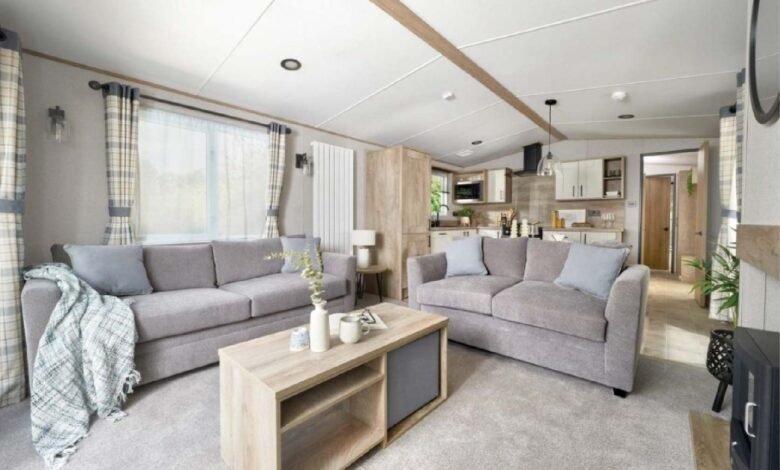
You have resolved to get a holiday house in the UK. This is the simple part.
Most buyers get stuck at the next step, picking the right type, the right location, the right park. There are hundreds of them all over the country, and if there’s no structure to it, the search can start to seem overwhelming even before you begin.
Static lodges clearly have a unique value to offer: a place where you can return when you want, without having to book a hotel, and without any second home obligations. However, if you select the wrong one, you’ll be paying for a product that does not match your lifestyle.
Thus, this article takes you through the process step by step to make your selection of the right static lodge for you.
1. Decide Whether a Static Caravan or Lodge Best Fits Your Vision
The first choice is determining what kind of holiday home is right for you before even searching for a listing. It also helps to know the difference between a lodge and a static caravan when you’re looking to buy a static lodge for sale — after all, these two types of lodges cater to different buyers and in meaningful ways.
Static caravans are generally smaller in size. They are affordable, easy-to-use and can be found in a variety of ranges. If you’re looking for a place to stay on holiday without making a big initial investment, then a static caravan may be the perfect choice.
Ownership can be even cheaper than new models, as prices in some cases begin at under £30,000. The lodges are, however, wider and are constructed to a higher specification. They are larger inside, fitted out better, and provide a much more “homey” experience than a holiday unit.
A lodge is a better choice if you’re staying for long periods, traveling with a bigger family, or you’re looking for a more upscale experience throughout.
The difference also has an impact on what the room feels like every day.
2. Choose the Right Location for How You Plan to Use It
Location is by far the most critical choice you will make — and one you may not think about as much as you need to. In addition to scenery, the right location entails the right location. This is really about how much distance you want to cover for your weekend getaway, the sort of environment you want, and how frequently you can comfortably go.
Cornwall, Devon, Dorset and Norfolk consistently have coastal parks that are popular. They are ideal for individuals who prefer sea air, beaches and a true escape. Inland preserves, like the lakes, rivers, and estuaries, have a comparable atmosphere, yet with less of a summer visitor scene.
Buyers prefer quiet, walking and natural surroundings over beach access and have a preference for the countryside and rural property within Yorkshire, the Scottish Highlands, Wales and the Lake District. Often these parks don’t sound very seasonal, and are a better place for year-round ownership.
3. Match the Park Type to Your Lifestyle
Selecting the wrong type of park is one of the most typical errors that buyers make. Ownership experiences will be vastly different for two different lodges on the same park with the same price point.
Family parks are activity, facility, and entertainment-oriented. These are ideal for buyers who have young children and want to enjoy swimming pools, play areas and a social vibe all year long. If this is your goal, you will get this from these parks.
Quiet and peaceful parks are typically owners-only. No day visitors, no entertainment complexes and no evening noise. These parks are catered to those looking for a true getaway — a garden, a book and neighbours who feel exactly the same.
If you’re a dog owner, this is an issue you face right away. Only a certain number of parks allow pets, so this will save time in attempting to find out. Of course, the same applies to parks that rent out sublet space, if you want to earn some money for your lodge while it is not in use.
4. Understand the Full Costs Before You Commit
The cost of a static lodge is only a small element of your overall decision. It’s important to keep in mind the total annual cost of ownership before committing, and parks must disclose them transparently before entering any agreements.
The largest of the recurring expenses is the pitch fee. These are one-time fees that are paid to the park for the land that your lodge is built on. These are not standardised between parks, locations, or even by park, and are not open to negotiation after committing to a pitch.
Other parks have some utilities included in the pitch fee; others have them as an extra. In year one, asking the right questions in the enquiry process helps to avoid surprises.
Finance options are available at certain parks, subject to terms and conditions. This can make it easier for those who like to buy a lodge without a large payment, especially for newer or higher specification lodges.
Each park will make it clear, before you buy, how much it will cost you to run, how long you will own the unit, and any age restrictions on the unit. This way, you’ll know all the facts before making a commitment.
5. Check the Park’s Season, Rules, and Community Before You Buy
Two parks may look alike, have the same lodges, and have comparable prices, but feel totally different to live in. The distinction typically boils down to the regulations in the park, the length of the season, and the community that develops.
Value is influenced by the length of the season. If you have a park open during the season from March through October, then you have about seven months of access. The 12-month park eliminates that restriction altogether. If you’re thinking of using your lodge for winter weekends or Christmas holidays, you should only consider a 12-month park.
Final Thoughts
The selection of the proper static lodge is a matter of honest self-assessment. Understand your usage, frequency, the setting that recharges you, and what you can afford in the long term. From Cornwall to the Scottish Highlands, the UK boasts an outstanding selection of holiday parks throughout. There is definitely one that is right for you; it is just a matter of working out how to get there.
For More Information Visit: Rare Magazine