Blackout Bedrooms for Shift Workers: Sleeping in Daylight
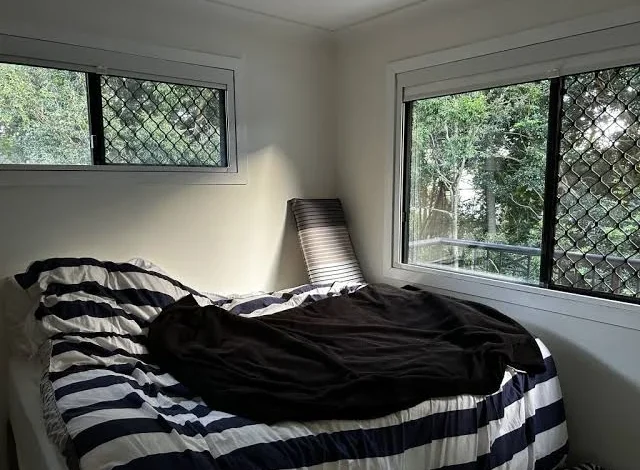
Sleeping during the day when your body expects light is one of the hardest parts of shift work. Daylight suppresses the sleep hormones you need, so a bedroom that stays genuinely dark at noon is not a luxury for a shift worker — it is essential.
Total darkness, any time of day
The single most important upgrade is a room that can be made properly dark whatever the hour. A set of blackout blinds engineered for full light exclusion seals out the midday sun, so your body gets the darkness cue it needs to produce melatonin and stay asleep.
Fabrics built for sleep
Beyond simple darkness, some blinds are designed specifically to support rest. A better sleep blind combines dense light-blocking with an insulating, calming feel, holding the room dark, quiet and at an even temperature — the conditions deep sleep depends on.
Seal the edges
For a shift worker, the light leaking around the edges of a blind is the difference between sleep and frustration. A made-to-measure fit in the bedroom closes those gaps, and mounting inside the recess with minimal clearance stops the tell-tale halo of daylight that keeps you awake.
Build the whole environment
Pair the blind with the rest of a good sleep setup: a cool room, an eye mask as backup, white noise to mask daytime sounds, and a consistent wind-down even when it is light outside. The blind does the heavy lifting; these finish the job.
The knock-on effects of poor daytime sleep
Getting daytime sleep right is not just about feeling rested; chronic sleep loss affects mood, concentration and long-term health, which is why shift workers have to take their sleep environment seriously. A room that fails to darken properly means shorter, lighter, more broken sleep, and the effects compound over a run of shifts. The window is where that problem is usually solved or lost.
A blackout setup also helps you keep a consistent sleep schedule on your days off, which experts agree is one of the hardest but most valuable habits for shift workers. When the room can be dark on demand, you are not at the mercy of the season or the time of day, and you can protect a proper sleep window whenever your rota demands it. That control, more than anything, is what makes long-term shift work sustainable.
If you work nights, your bedroom has to beat the sun. Prioritise true blackout, seal the edges with a proper fit, and choose fabrics made for rest — and daytime sleep stops being a battle and starts being possible.
Backup layers
Even with a good blackout blind, a belt-and-braces approach helps on the brightest days. Pairing the blind with lined blackout curtains catches any light that escapes at the very edges, and a comfortable eye mask is a cheap insurance policy for the odd stubborn gap. Managing sound matters too — earplugs or a white-noise machine mask the daytime world while you sleep. The blind does the heavy lifting on light, but layering these small extras around it turns a good sleep environment into a reliable one, whatever the season or the time of day you need to rest.
For More Information Visit: Rare Magazine