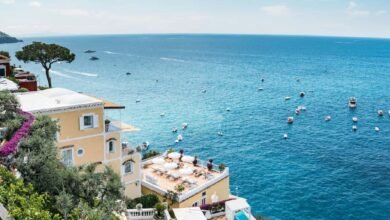
Why Cruising Suits Slow Travel: The Return of Intentional Holidays
Something’s changed in the way people approach their time off. Fewer of us want to cram three cities into a long weekend or treat a holiday like a checklist to get through. Instead, there’s a growing pull towards slower, more deliberate ways of seeing the world, trips built around rest, connection and actually noticing where you are, rather than just ticking it off. Oddly enough, cruising fits this mood rather well. You still get to several places, but without the constant scramble of getting from one to the next.
For travellers who like a bit of flexibility, keeping an eye out for last minute cruise deals can suit this more relaxed, spontaneous style, less about fixed plans months in advance, more about going with what feels right when the time comes.
None of this is new, really. People have been talking about slow travel for years. But it’s picked up real momentum lately, as more of us start questioning whether a holiday should leave you needing another holiday to recover from it. Nobody wants to come home more tired than when they left, worn down by early check-outs and rushed transfers. There’s a different kind of appeal in a trip that feels unhurried, and cruising, strangely, manages to combine constant movement with a sense of staying still. You’re crossing the sea the whole time, yet your surroundings stay familiar and steady.
Cutting Out the Faff
A big part of slow travel comes down to reducing friction. Think about a typical multi-stop holiday: a new hotel every few days, working out trains or transfers, repacking your bag again and again. Each move adds a bit more stress to the trip. On a cruise, that all but disappears, because your room comes with you. You wake up somewhere new without having had to organise a single thing to get there. It’s this simplicity that makes cruising feel like such a natural match for people chasing a calmer kind of travel.
That same idea carries through to how you spend your time in port. Cruises still take you to plenty of destinations, but the pace tends to leave room to breathe. A wander through an old town in the morning, an afternoon by the water, maybe a gentle walk somewhere scenic, there’s rarely the pressure to see absolutely everything before the day’s out. It tends to encourage picking a couple of things that genuinely interest you, rather than racing to tick off a list. And the same easy rhythm carries through to the ship itself. Days at sea, with nowhere new to dash off to, often turn into some of the best parts of the whole trip, a book, a long lunch, watching the water go by with nothing else on the agenda.
How It Feels, Not What You Tick Off
Slow travel, at its heart, is less about achievement and more about how a trip leaves you feeling. Cruises strip away a lot of the usual decision-making that fills up a holiday, no working out routes, no hunting for the next place to stay. With all that off your plate, there’s more headspace left for the things that actually matter: a sunset over open water, a morning spent somewhere you’ve never been before.
There’s also something grounding about returning to the same cabin every night, even as the view outside changes completely. For anyone who finds constant upheaval a bit much, that familiarity can make a real difference. You’re still seeing new countries and new coastlines, but there’s a steady thread running underneath it all. More people now treat a holiday as a chance to properly reset, rather than just get away from it all, and cruising tends to strike a fair balance between the two, plenty of opportunity to be active and explore, but just as much space to do absolutely nothing.
You Don’t Need Weeks to Get the Benefit
Slow travel often gets associated with long, open-ended trips, but a cruise can deliver a similar feeling in a much shorter window. Even a week brings a fresh destination most days, without the exhaustion that usually comes from organising each leg yourself. It’s a practical way to slow down without setting aside months to do it.
There’s also a broader conversation happening about how we travel generally, frequent short flights, constant city-hopping, and what that adds up to over time. Cruising offers a different shape altogether, folding several stops into one continuous journey rather than a string of separate trips. It’s not a perfect answer, and cruising has its own environmental considerations to weigh up, but it does represent a genuinely different way of moving through a region.
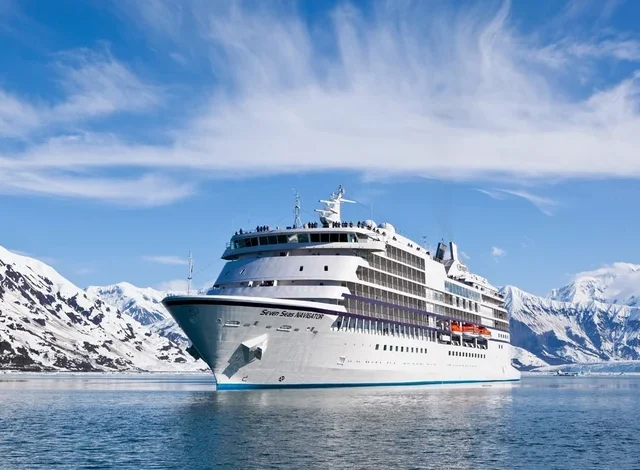
In the end, cruising taps into a lot of what slow travel is really about: keeping things simple, valuing the experience over the pace, and stepping back from the usual rush of everyday life. Whether you’re drifting between Mediterranean harbours, tracing a northern coastline, or just enjoying a quiet day at sea, there’s a rhythm to it that naturally slows things down. As more people look for holidays that leave them feeling restored rather than wrung out, cruising keeps finding its place in that conversation, a way to take in the world properly, without racing through it.