How Is Technology Driving The Biggest Changes In Trucking Today?
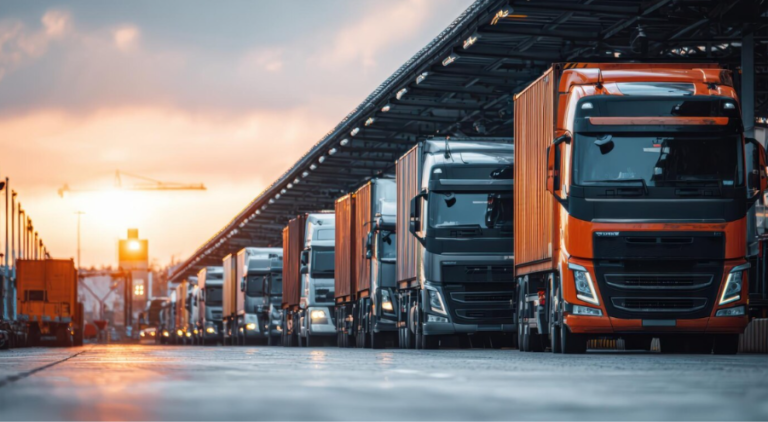
Truck driving often involves strict delivery schedules, where even a small delay at a dock or along the road can impact the entire trip.
Road conditions, traffic delays, and lengthy waiting times increase the pressure in day-to-day operations. To top it off, keeping up with compliance regulations and freight updates, as well as managing long driving hours, can be overwhelming.
All of these issues combined create an unpredictable situation in trucking.
That’s where technology is beginning to play a significant role in enhancing the way information is exchanged and decisions are made while on the road. It’s introducing more control into daily trucking tasks, from real-time updates to smarter tracking systems. Rather than addressing issues after they occur, drivers and fleets can now respond and plan more quickly.
Understanding how these are transforming the truck business puts you in a position to understand what’s already occurring on the road and what that means for every trip ahead.
1. Data Is Replacing Guesswork in Everyday Trucking Decisions
Trucking choices today are made much less on assumption, as real-time data reveals what’s actually occurring on the road. Rather than relying on experience alone, drivers and fleets can now get the latest trucking industry news updates on various platforms and thus stay informed of the changes in their routes, rules, and conditions.
Planning is not only commenced after the problem; it is commenced with current information that changes as road conditions change.
Fleet systems also display fuel usage, truck location, and performance during the trip, not at the end. This enables drivers and dispatch to make early adjustments if something is amiss, rather than adjusting later, which can cause delays. Even in real-life scenarios, delays such as traffic congestion or fuel breaks can be handled more effectively with this visibility.
As a result of this change, planning is less uncertain, more in line with the actual state of the road. Trips become more manageable without significant changes. Overall, data has helped to move away from guesswork and into more accurate decision-making.
2. Compliance Has Shifted to Fully Digital Monitoring Systems
The use of paper logbooks has been phased out for the most part as digital systems automatically record driving hours in real time. This eliminates the need to handwrite everything during extended driving time. It also minimizes the risk of error that was common when drivers were fatigued or busy.
During inspections, records can now be checked instantly using electronic systems. This speeds up the process and eliminates the need for extended waiting times at checkpoints. It also provides transparency and accountability for drivers and officials.
With time, compliance has become a part of the driving routine rather than a separate task that needs extra effort. Also, alerts are displayed when driving limits are approaching, and this helps prevent driving violations. This simplifies compliance with the rules in a straightforward, consistent manner.
3. Advanced Safety Technology Is Reducing Human Error on Road
Modern trucks now have safety systems that react while driving instead of just recording information. Features like lane warnings, collision alerts, and braking support help during sudden traffic changes or low visibility. These systems help drivers react faster in difficult situations on the road.
Long drives also become safer with tools like stability control and automatic braking. These systems help when fatigue builds up after many hours behind the wheel. They step in when human reaction may not be quick enough. Insurance companies are also noticing these safety improvements in fleets.
As these systems become more common, safety is no longer based only on driver awareness. It now works as a shared system between driver attention and onboard assistance. This combination continues to improve road safety across the industry.
4. Freight Matching and Dispatch Are Moving to Digital Platforms
Finding loads is no longer done only through phone calls or broker contacts. Digital platforms now show available freight in real time, which reduces waiting time between trips. This also helps drivers react faster when schedules change suddenly.
AI systems now match loads based on truck location, capacity, and timing. This reduces empty miles when trucks travel without cargo. It also helps plan return trips in a better and more organized way. Overall, it saves time and improves daily efficiency.
Because of this change, freight movement is now more structured across supply chains. Drivers can pick loads faster without long delays or repeated calls. Dispatching has become simpler, faster, and more flexible than older systems.
5. Connected Trucks Are Enabling Real-Time Supply Chain Coordination
Trucks today are part of connected systems that share live data with logistics teams through telematics tools. These systems track speed, location, and engine condition while the trip is still happening. This gives dispatch teams a clear view of what is happening on the road.
During trips, drivers can also receive updated instructions when traffic changes or delays occur. This improves communication between drivers and dispatch teams and reduces confusion. It also helps adjust routes without affecting the full schedule.
Because of this connection, supply chains now react faster to changes instead of waiting for reports after delays. Deliveries can be tracked more clearly from start to finish. Overall, trucking operations now run with better control, coordination, and fewer surprises.
Conclusion
Technology is clearly driving some of the biggest changes in trucking today by reshaping how daily work is planned, managed, and completed on the road. It has changed how quickly decisions are made and how smoothly different parts of a trip connect from start to finish.
As these systems continue to evolve, trucking becomes more responsive to real conditions instead of delays and uncertainty. Adapting to these changes helps keep operations steady in a fast-moving industry. In the end, technology is not just supporting trucking anymore; it is actively transforming how the entire industry works.