How Antibiotic Resistance Is Becoming a Global Health Crisis
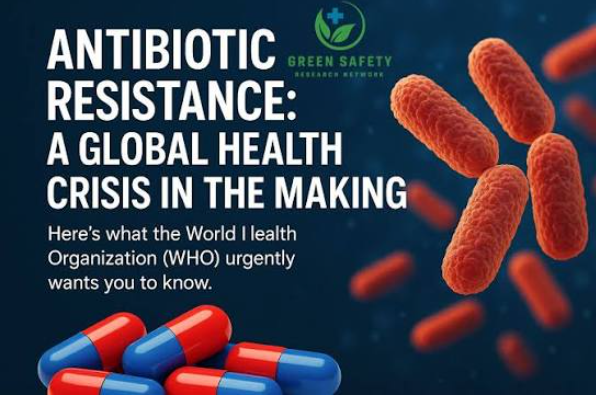
Antibiotics have transformed modern medicine, turning once-dangerous bacterial infections into treatable conditions. But their effectiveness is under growing pressure. Antibiotic resistance occurs when bacteria evolve in ways that allow them to survive medicines designed to kill them, making infections harder to treat. Using antibiotics only when prescribed, taking them exactly as directed, and never sharing leftover medication are simple steps individuals can take to help slow this global problem.
According to the World Health Organization (WHO), bacterial antimicrobial resistance was directly responsible for an estimated 1.27 million deaths in 2019. The figure illustrates why antimicrobial resistance is more than a medical concern—it is a major public health challenge that can affect routine healthcare, surgery, cancer treatment, and emergency medicine.
What Causes Antibiotic Resistance?
Antibiotic resistance develops naturally as bacteria change over time, but human behavior can accelerate the process. The unnecessary use of antibiotics gives resistant bacteria more opportunities to survive and multiply.
Antibiotics Should Not Be Used Unnecessarily
Antibiotics treat bacterial infections, not viral illnesses such as most colds and cases of seasonal flu. Taking antibiotics when they are not needed exposes bacteria to these medicines without providing a meaningful benefit to the patient.
Stopping treatment early or using antibiotics prescribed for someone else can also contribute to inappropriate antibiotic exposure. Medical professionals should determine whether an antibiotic is necessary and which treatment is appropriate.
Why Antibiotic Resistance Creates Bigger Health Risks
When common antibiotics stop working, infections can become more difficult and expensive to treat. Patients may require alternative medicines, longer hospital stays, or more intensive medical care.
Antibiotic resistance can also make routine procedures more complicated. Treatments such as surgery, chemotherapy, and organ transplantation often depend on effective antibiotics to prevent or manage bacterial infections.
How Individuals Can Help Slow the Problem
Use Antibiotics Responsibly
Patients should take antibiotics only when prescribed by an appropriate healthcare professional. Following the prescribed instructions and completing treatment according to medical advice helps ensure the medication is used safely.
People should also avoid saving unused antibiotics for future illnesses. A medicine that was appropriate for one infection may be ineffective or unsuitable for another.
Prevention Reduces the Need for Antibiotics
Good hygiene, vaccination, safe food preparation, and appropriate infection-control practices can reduce the spread of infections. Fewer infections can mean fewer opportunities for antibiotics to be used unnecessarily.
Healthcare systems also play an important role through responsible prescribing, laboratory testing, infection prevention, and antimicrobial stewardship programs.
The Importance of Accessible Healthcare
Responsible antibiotic use is easier when people can access qualified healthcare professionals and appropriate diagnostic services. Organizations such as Transparent Hands help underserved communities access essential medical care, which can support earlier diagnosis.
Expanding healthcare access can also reduce situations where people self-medicate because professional medical advice is unavailable or unaffordable. Community support can therefore contribute to broader public health efforts.
Supporting Healthier Communities
Global health challenges require cooperation from individuals, healthcare professionals, governments, and communities. People who want to support access to essential medical services can give Sadaqah donation to help patients receive treatment and healthcare support when financial barriers stand in the way.
Conclusion
Antibiotic resistance is a growing threat because medicines that once reliably treated infections may become less effective when antibiotics are misused or overused. Protecting these medicines requires responsible prescribing, careful use by patients, infection prevention, and stronger healthcare systems. Every appropriate decision about antibiotic use can help preserve these vital treatments for future generations.
For More Information Visit: Rare Magazine