How to Replace Aging GSE Without Disrupting Airport Operations
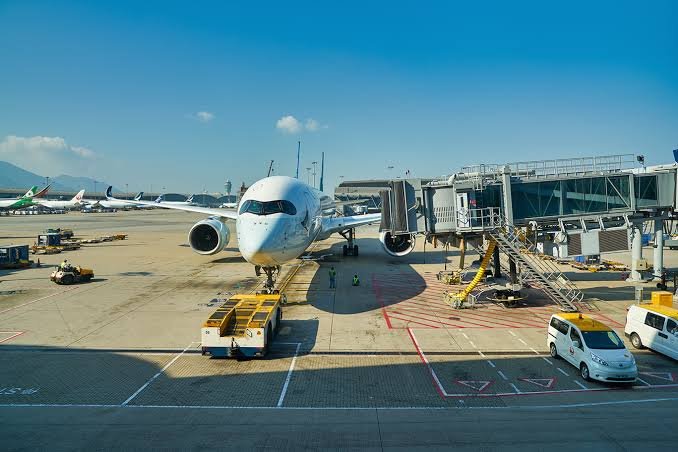
Airport ground support equipment, commonly called GSE, forms the backbone of smooth flight operations. From towing vehicles and baggage loaders to catering trucks and pushback tugs, these machines handle critical tasks between takeoffs and landings. When GSE ages, it becomes less reliable and more expensive to maintain, yet replacing it presents a significant challenge. Airports cannot simply shut down operations to install new equipment; every delay cascades across the schedule and affects passengers, airlines, and revenue. The key to successful GSE replacement lies in strategic planning, phased implementation, and coordination with all stakeholders who depend on airport operations running seamlessly.
Conduct a Comprehensive Equipment Audit
Before purchasing replacement GSE, airport operators must understand exactly what they have, how old each piece is, and how critical it is to daily operations. A thorough equipment audit identifies which machines are reaching the end of their service life, which ones fail most frequently, and which ones can be retired or refurbished rather than replaced outright. This process involves inspecting every vehicle, documenting maintenance records, and assessing performance metrics across the fleet. Operators should categorize equipment by operational necessity, distinguishing between machines that are essential to every flight and those that are used only during peak hours or specific operations. By gathering this baseline data, airports can prioritize replacements strategically rather than reactively, addressing the oldest and most problematic units first while keeping critical equipment operational. This audit also helps identify redundancies in the fleet, allowing facilities to eliminate unnecessary equipment and reduce the total number of machines that need replacement.
Develop a Phased Replacement Schedule
Replacing the entire GSE fleet at once would cripple airport operations, so successful replacement strategies always follow a phased approach spread over multiple years. Airport planners should map out a detailed timeline that staggers the introduction of new equipment, ensuring that enough operational capacity remains in place at all times to handle flight schedules. The schedule should account for seasonal variations in air traffic, with larger replacements occurring during slower travel periods and minimal changes during peak seasons. Coordination with airlines is essential because they need advance notice of equipment changes that might affect ground procedures or service delivery. A realistic phased schedule might replace 10 to 20 percent of a particular equipment category in any given year, allowing time for operator training, process adjustments, and verification that new equipment performs as expected before the next phase begins. By spreading the replacement burden across multiple years, airports can distribute capital costs more evenly and maintain steady operational reliability throughout the transition period.
Secure Budget and Financing Options
GSE replacement requires substantial capital investment, and most airports cannot fund these purchases from operating budgets alone. Airport managers should explore suitable funding options, including federal grants, state funding, approved capital budgets, and equipment procurement or leasing arrangements. Federal programs may provide grant funding for eligible airport infrastructure, vehicle, and equipment projects, subject to specific program requirements. Leasing rather than purchasing equipment can reduce upfront capital needs while allowing airports to upgrade technology more frequently. During fleet modernization evaluations, procurement teams sourcing specialized ground support solutions rely on tronair GSE to meet the demanding performance standards required for safe and efficient aircraft servicing. Public-private partnerships also present opportunities, where equipment providers finance new GSE in exchange for long-term service or maintenance contracts, and some manufacturers offer trade-in programs for aging equipment that effectively reduce the net cost of replacements. By diversifying funding sources, airports can avoid budget constraints that would otherwise force delayed replacements or rushed transitions that compromise safety and service quality.
Coordinate with Airlines and Ground Handlers
Airlines and ground service contractors depend on GSE to maintain schedules and provide quality service, making their buy-in essential to successful replacement initiatives. Early communication about planned replacements allows these partners to adjust procedures, train personnel, and plan around any temporary capacity reductions during transitions. Some airports establish joint committees with major airlines and ground handlers to review replacement timelines and gather feedback on which equipment categories should be prioritized. New GSE may have different operational characteristics than the machines it replaces, requiring users to learn new procedures or adjust gate assignments and ground handling workflows. By involving these stakeholders from the planning phase onward, airports can address concerns, incorporate lessons from similar transitions at other facilities, and build consensus around a replacement strategy that minimizes disruption. Regular communication throughout the implementation period keeps everyone aligned and allows for quick adjustments if unexpected challenges arise.
Plan for Operator Training and Transition Management
New GSE, even when functionally similar to its predecessor, requires operators to master new controls, safety features, and maintenance procedures. Airport management should schedule comprehensive training well before new equipment arrives, allowing drivers and maintenance personnel to become proficient before equipment enters daily service. Training programs should cover vehicle operation, safety protocols specific to each machine, and integration with existing ground handling procedures. Some airports hire equipment manufacturers to conduct on-site training, while others send key personnel to manufacturer facilities for intensive instruction. A transition period where new and old equipment operate side-by-side temporarily allows operators to build confidence while management verifies that new machines perform reliably under real operational conditions. Designating experienced supervisors to oversee this period helps identify problems early and prevents safety incidents that could stem from unfamiliarity with new equipment.
Conclusion
Replacing aging GSE presents a complex challenge that requires airports to balance the need for modern, reliable equipment with the reality that operations cannot be interrupted for extended periods. Success depends on conducting thorough audits to understand the current fleet, developing realistic phased replacement schedules that preserve operational capacity, securing diverse funding sources to support capital investments, and maintaining strong communication with airlines and ground handlers throughout the process. Investing time and resources into operator training and transition management prevents safety issues and ensures that new equipment performs effectively from day one. By following this strategic approach, airports can modernize their ground support equipment, improve operational efficiency, and reduce maintenance costs while keeping flights moving and passengers on schedule.
For More Information Visit: Rare Magazine