How to Build a Successful Wholesale Jewelry Collection
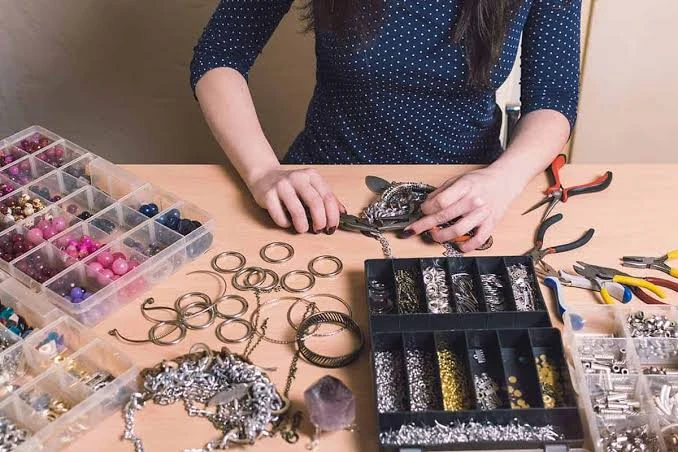
Creating a successful wholesale jewelry collection requires more than just beautiful designs. It involves understanding your audience, choosing the right materials, developing a strong brand identity, and building a strategy that supports long-term growth. Whether you are launching a new jewelry business or expanding an existing line, careful planning can help you create pieces that appeal to retailers and customers alike.
Define Your Vision and Niche
To build a successful jewelry line, know who you want to reach and what style fits them. Think about themes that connect all your pieces. For more tips on this stage, keep reading!
Identify your target audience and style (e.g., minimalist, luxury, boho).
Identify the customer who will buy your jewelry. Define age range, style tastes, price sensitivity, and shopping habits. Use market research and niche marketing to pick a clear audience.
Pick a style like minimalist, luxury, or boho and match materials and visual branding. Design core pieces that fit wholesale and mass production needs. Test samples with retail partners and track profit margins.
Create a cohesive theme for your collection.
Pick a clear mood and style that fits your niche and target audience. Create a mood board to collect textures, colors, and shapes. Align jewelry design and materials to that mood.
Keep proportions and price tiers consistent across the cohesive collection to aid mass production and retail partnerships. Apply consistent visual branding in catalogs and packaging to boost wholesale appeal and profit margins.
Research Market Trends and Demand
To succeed in wholesale jewelry, you must study trends and what customers want. Look at popular styles and find out what your competitors offer. This helps you spot gaps in the market.
Knowing these details can help shape your collection’s direction. Want to learn more about how to use this information? Keep reading!
Analyze current jewelry trends and customer preferences.
Study trend analysis and market research reports monthly. Track color, metal, and finish shifts in retail and online sales. Poll retailers and shoppers for customer preferences on style, price, and fit. Use niche data to spot demand for minimalist, boho, or luxury pieces.
Turn insights into clear product goals and design specs. Match material choices and production plans to predicted demand and profit margins. Use this input to design and develop your collection.
Study your competitors to find gaps in the market.
Look at competitors’ collections. Compare styles, materials, and price points to spot missing offers in jewelry design and niche marketing. Note which retailers sell out fast and which items linger on shelves.
Use market research data to target gaps with clear product development choices. Offer a cohesive collection that meets retailer needs and protects profit margins with smart wholesale pricing. Create samples that show ready mass production and custom options.
Design and Develop Your Collection
Create unique jewelry pieces that reflect your brand’s style. Use quality materials to make them stand out. Make designs that are easy to replicate for mass production. Test your ideas by making prototypes before finalizing what you’ll sell.
Keep reading for more tips on building a successful collection!
Choose high-quality materials and metals.
High-quality materials and metals make your jewelry stand out. Use gold, silver, or platinum for a luxury feel. Look for durable materials that can withstand daily wear. Good quality increases the value of each piece.
Focus on using sustainable options too. Eco-friendly practices appeal to many buyers today. Choose suppliers known for their craftsmanship and ethical sourcing. This choice helps build trust with retailers and customers alike in the wholesale market.
Develop core designs that are easily reproducible.
Core designs should be simple and easy to make. Focus on a few key pieces that fit your vision and niche. Use high-quality materials for these items. Think about styles that can easily adapt to different trends.
Create clear patterns so each piece looks consistent in your collection.
Make sure you can produce these designs in larger quantities without losing quality. This will help you meet demand while keeping costs low. Once your core designs are set, move on to pricing strategies for wholesale sales.
Create prototypes and finalize your product lineup.
Create prototypes to test your designs. Use high-quality materials for a realistic feel. Make adjustments based on feedback from potential customers. Aim for a mix of styles that fit your niche, like minimalist or boho.
Finalizing your product lineup is crucial. Choose pieces that are easy to reproduce in mass production. Ensure each item fits the cohesive theme of your collection. This sets the stage for clear branding and effective marketing strategies moving forward.
Set Wholesale Pricing and Policies
Set wholesale pricing carefully. Use a standard formula to ensure you cover costs and earn profit. Establish minimum order quantities to manage your inventory effectively. Clear policies will help you build strong relationships with retailers.
Use a standard wholesale pricing formula.
A standard wholesale pricing formula helps you set the right price for your jewelry. Generally, this formula is based on the cost of materials plus labor. Then, multiply that total by a markup percentage, often around 2 to 3 times the cost.
When sourcing materials, consider exploring options for sterling silver rings wholesale to ensure affordability without compromising quality. This ensures you cover expenses and make a profit.
Establish minimum order quantities (MOQs) for retailers who want to buy from you. MOQs can range based on your product type and production costs. Setting these numbers early will help manage inventory and encourage bigger orders from stores.
Establish minimum order quantities (MOQs).
Set minimum order quantities to streamline your wholesale process. MOQs define the smallest number of items a retailer must buy at one time. This helps manage production costs and ensures you sell enough to make a profit.
Choose MOQs that work for both you and your clients. Look at your production capacity and the needs of retailers in your niche market. Clear pricing strategies will attract more buyers while keeping inventory balanced.
Promote and Market Your Collection
Promote your jewelry collection through professional catalogs and order forms. Attend trade shows to meet retailers and showcase your designs.
Develop a professional catalog and order forms.
A professional catalog showcases your jewelry collection clearly. It should include high-quality images and descriptions of each piece. Customers want to see details like materials, sizes, and colors. Include pricing information as well.
Order forms must be easy to use. They should list all available items with corresponding prices. Make sure you specify minimum order quantities (MOQs). This helps retailers understand how much they need to buy at once. Clear communication will aid in building retail partnerships effectively.
Attend trade shows and connect with retailers.
Trade shows are great places to showcase your wholesale jewelry collection. Retailers attend these events to find new products and connect with designers. Set up an attractive booth that highlights your unique designs.
Make sure your display is clear and inviting.
Engaging with retailers at trade shows can lead to valuable partnerships. Offer them samples and catalogs of your collection. Talk about your brand’s story and vision, as this helps build trust.
Collect contact information for follow-ups after the event. Building these relationships will help grow your presence in the wholesale market.
Conclusion
Building a successful wholesale jewelry collection takes time and effort. Start by knowing your vision and target audience. Research current trends to stay ahead. Design high-quality pieces that fit your style.
Set clear pricing and policies for retailers to follow. With strong marketing, you can make your collection shine in the market.
For More Information Visit: Rare Magazine