How to Build Healthy Dental Habits From an Early Age
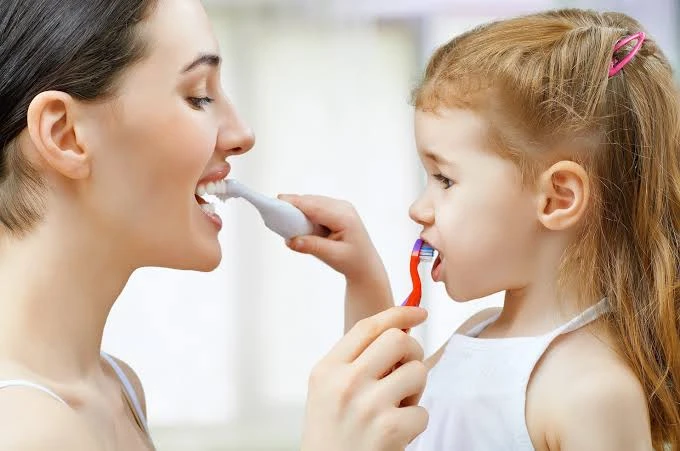
Many parents worry because their child gets cavities early. Tooth decay is the most common chronic childhood disease. This post will give clear steps to build daily habits that protect teeth.
Keep reading.
Start Oral Care Early
Start oral care early to set the stage for good habits. Clean your baby’s gums with a soft cloth before any teeth come in.
Clean infant gums with a soft cloth
Good oral hygiene starts early. Clean infant gums before teeth appear.
- Gently wipe baby gums after feedings with a soft cloth wrapped around your finger, using plain water to remove milk and formula residue and to lower cavity risk.
- Wrap a clean, damp muslin cloth around your index finger and move it in small circles over the gum line to remove bacteria that can cause cavities and affect gum health.
- Hold the infant securely during cleaning, support the head with one hand, and use steady, calm motions to keep the baby safe and relaxed.
- Clean both the upper and lower gums, paying extra attention to the back where teeth usually erupt first and where plaque can hide.
- Make this task part of the daily routine, doing it after night feedings to reduce sugar exposure and to teach early dental care habits.
- Ask your pediatric dentist about fluoride use and first dental visits, so you know when to add a child toothbrush and start preventive dentistry practices.
Begin brushing with fluoride toothpaste once the first tooth erupts
Start brushing as soon as your baby’s first tooth appears. Use fluoride toothpaste to help prevent cavities.
- Use a soft infant toothbrush with a small head to clean the new tooth gently and support good oral hygiene.
- Apply a smear of fluoride toothpaste about the size of a grain of rice to protect enamel from decay and strengthen teeth.
- Brush twice daily, once in the morning and once before bed, to reduce cavity risk and build a steady routine.
- Teach a gentle circular motion and short strokes to remove plaque without harming the gums or causing sensitivity.
- Supervise brushing until about age six to ensure proper technique and to limit how much toothpaste a child swallows.
- Spit out leftover paste after brushing and avoid swallowing to reduce fluoride ingestion while keeping fluoride benefits.
- Ask your pediatric dentist about fluoride varnish and personalized fluoride use during dental visits for added prevention.
- Replace the toothbrush every three months or sooner if bristles fray to maintain effective teeth cleaning and gum health.
Teach Proper Brushing Techniques
Teaching kids the right way to brush is key. Show them how to use a small amount of toothpaste and encourage gentle scrubbing on all sides of their teeth.
Use a pea-sized amount of toothpaste for children aged 3 and up
Begin oral care as soon as the first tooth erupts. Choose a toothpaste with fluoride for daily brushing.
- Use a pea-sized amount of fluoride toothpaste for children aged 3 and up.
- Place the dab on a soft, age-appropriate toothbrush.
- Supervise brushing until a child can spit reliably, usually around age 6.
- Teach spitting rather than swallowing to reduce fluoride ingestion.
- Choose a toothpaste with 1000 to 1450 ppm fluoride for effective cavity prevention.
- Limit toothpaste use to one pea-sized dab to keep ingestion low.
- Replace the toothbrush every three months or sooner if bristles fray.
- Ask your pediatric dentist about specific fluoride needs during dental visits.
- Follow a twice-daily routine to support oral hygiene and children’s health.
Supervise brushing until the age of 6
Supervision is key to good dental habits. Kids need help to brush properly.
- Watch your child while they brush. This helps them learn the right way.
- Make sure they are brushing for two minutes. Use a timer or play a short song for fun.
- Check that they use fluoride toothpaste. A small, pea-sized amount is enough.
- Help them reach all areas of their mouth. Focus on the front, back, and chewing surfaces of the teeth.
- Teach them to spit out toothpaste, not swallow it. Swallowing too much can harm their health.
- Encourage them to brush twice a day: once in the morning and once before bed. This builds a strong routine early on.
- Show them how to replace their toothbrush every three months or when the bristles fray. A good toothbrush supports better oral hygiene.
These steps will help your child develop strong dental care habits early on.
Introduce Flossing Early
Flossing should start as soon as two teeth touch. This helps remove food and plaque from between the teeth where toothbrushes can’t reach.
Start flossing as soon as two teeth touch
Flossing is a key part of good oral hygiene. Start this habit early to keep your child’s teeth healthy.
- Floss can clean between teeth where toothbrushes can’t reach. It helps remove food and plaque that cause cavities.
- Begin flossing when your child has two touching teeth. This usually happens around age 2 or 3.
- Use an easy-to-hold floss stick or regular dental floss. Make it comfortable for your child.
- Show them how to gently slide the floss between their teeth. Teach them not to force the floss into their gums.
- Help your child with this daily task until they can do it alone, usually by age 8. Supervision ensures they are doing it correctly.
- Positive reinforcement works well. Praise them after each successful flossing session to build their confidence.
- Keep it fun by choosing colorful floss or character-themed options. Making the process enjoyable can help form a lasting routine.
- As part of a healthy diet, remind them to limit sugary snacks and drinks. This will reduce the need for extra cleaning between meals.
Make Oral Care Fun
Make oral care fun by using colorful character toothbrushes and interactive apps. Sing songs or set timers to make sure brushing lasts two minutes. Keeping it exciting helps children enjoy their dental routine.
Want to learn more ways to encourage good habits? Keep reading!
Use character toothbrushes or interactive apps
Using character toothbrushes and interactive apps can make brushing fun for kids. This helps build good dental habits early on.
- Character toothbrushes feature favorite cartoon or superhero characters. These designs attract children’s attention and excitement about brushing their teeth.
- Choosing a toothbrush in bright colors may also engage children more. A fun design can turn a chore into something they look forward to.
- Interactive apps often include games that reward kids for brushing well. They can track progress and encourage regular oral hygiene, making it enjoyable.
- Some apps play songs while children brush their teeth for two minutes. This helps them keep time and ensures all areas of the mouth get clean.
- Integrating stories or challenges in an app provides motivation to keep up with dental routines. Kids are more likely to stick with healthy habits when they feel entertained.
- Both character toothbrushes and apps promote independence in young children. They learn to take charge of their oral care as part of their daily routine.
- Encouraging family participation by using similar products can strengthen the habit-building process. Parents joining in makes it easier for kids to follow along.
These tools help instill oral hygiene confidence in children from a young age, paving the way for lifelong healthy habits.
For parents seeking expert guidance, pediatric dentistry in Fullerton offers tailored solutions to ensure your child’s dental health.
Incorporate songs or timers to encourage the two-minute rule
Making oral care fun helps kids build healthy habits. Songs and timers can keep them engaged while brushing.
- Choose a fun song that lasts about two minutes. This will help your child brush for the right amount of time.
- Play the song every time they brush their teeth. This makes brushing a game instead of a chore.
- Use a timer to track brushing time if you prefer not to use music. Set it for two minutes so your child knows how long to brush.
- Let your child pick the song or sound they like best. Allowing them to choose gives them control and makes brushing exciting.
- Create a brushing routine around their favorite songs or sounds. Kids will look forward to this special part of their day.
- Use apps that have built-in timers and fun sounds for kids’ brushing routines. These tools make oral hygiene enjoyable while teaching good habits.
- Celebrate when your child brushes for the full two minutes with praise or stickers. Positive reinforcement encourages them to continue practicing good dental care.
These strategies help kids stick to healthy dental routines from an early age, promoting strong teeth and gums for years to come.
Promote a Healthy Diet
Limit sugary snacks and drinks to help keep teeth strong. Water is a great choice. Healthy foods make smiles brighter. Encourage kids to choose fruits and veggies instead of sweets.
For tips on healthy eating, keep reading!
Limit sugary snacks and drinks
Sugary snacks and drinks can harm your child’s teeth. Sugar feeds bacteria that cause cavities. Choose healthy snacks, like fruits or nuts, instead of candy. Water is the best drink for kids to help keep their mouths clean.
Avoid giving milk or juice in bottles at bedtime; these can stick to teeth overnight and lead to decay.
Good eating habits support oral health. Teach your child about making smart food choices early on. This helps them understand the importance of a healthy diet and good dental care as they grow up.
Next, it’s time to schedule regular dental visits for check-ups and preventive care.
Avoid bedtime bottles with milk or juice
Bedtime bottles with milk or juice can harm teeth. When babies sip on these drinks at night, sugar sits on their teeth. This can lead to cavities. Cavity-causing bacteria thrive in sugary environments.
Instead of milk or juice before bed, offer water. Water helps wash away food particles and sugars. It keeps their mouths clean while they sleep. Establish a healthy routine early to protect your child’s smile now and in the future.
Schedule Regular Dental Visits
Schedule regular dental visits to keep your child’s teeth healthy. Take them to the dentist by their first birthday. After that, make sure they go every six months for check-ups. These visits help catch problems early.
Learn more about how these trips can make a big difference!
Visit the dentist by the child’s first birthday
Visit the dentist by the child’s first birthday. Early visits help catch issues before they become big problems. A pediatric dentist checks for cavities and looks at mouth development.
This visit also helps kids get used to going to the dentist.
Regular dental check-ups should continue every six months after that. These visits help maintain oral hygiene and prevent cavities. Kids learn good habits early on, which sets them up for a healthy smile as they grow older.
Maintain biannual check-ups for preventive care
Regular dental visits are essential for good oral hygiene. Start these check-ups by your child’s first birthday. This helps catch problems early, like cavities or gum issues. A pediatric dentist can provide guidance on proper care as your child grows.
Biannual check-ups ensure that teeth and gums stay healthy. Dentists clean the teeth and offer tips suited to your child’s needs. They can also monitor fluoride use to strengthen enamel.
Early visits help build a positive attitude towards dental care, making future appointments easier for both of you. Now, consider teaching proper brushing techniques.
Conclusion
Building healthy dental habits early is key for kids. Start by cleaning gums and brushing teeth with fluoride toothpaste. Make oral care fun with cool toothbrushes and songs. Limit sugary snacks for better teeth health.
Regular visits to the dentist will keep smiles bright for years to come.
For More Information Visit: Rare Magazine