Pest Control That Actually Works—Here’s What You Should Know
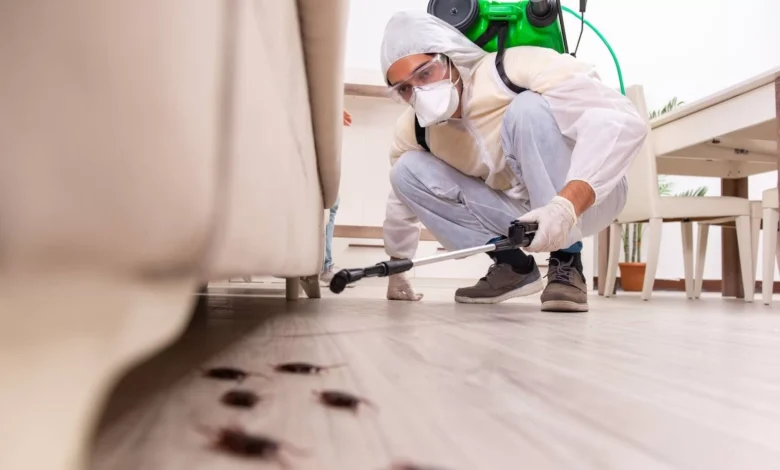
Most homeowners don’t think about pests until they’re already dealing with them. By then, the damage is often done—chewed-through wood, contaminated pantries, or a lawn riddled with tunnels. Pest problems don’t fix themselves, and the longer they’re left unchecked, the more expensive and disruptive they become.
The good news? With the right professional service on your side, pests don’t stand a chance.
Why Pest Problems Are More Serious Than They Look
A single ant trail in the kitchen rarely stays a single ant trail. Pests are opportunistic. They find one entry point, signal others, and quickly establish colonies inside your home or across your yard. Termites can compromise structural integrity over months without showing obvious signs. Rodents chew through wiring, creating fire hazards. Even common garden pests can devastate a lawn in a matter of weeks.
The mistake most people make is treating the symptom—spraying a visible pest—without addressing the source. That’s why professional pest control delivers results that DIY solutions simply can’t match.
What Professional Pest Control Actually Covers
Pest Control services designed by experienced lawn care and property protection professionals can shield your home and yard from dozens of invasive species—saving you money, protecting your property, and giving you peace of mind throughout every season.
Here’s what a comprehensive pest control service typically addresses:
- Insects: Ants, mosquitoes, roaches, fleas, ticks, and stinging insects like wasps and hornets
- Rodents: Mice and rats that burrow under structures or enter through small gaps
- Lawn-damaging pests: Grubs, chinch bugs, armyworms, and mole crickets that destroy turf from the soil up
- Occasional invaders: Spiders, centipedes, and beetles that find their way inside during seasonal shifts
Each of these pests requires a different approach, which is exactly why professional treatment plans are tailored—not generic.
The Real Cost of Ignoring a Pest Problem
Putting off pest control might feel like saving money. In practice, it usually means spending more later.
Termite damage alone costs American homeowners an estimated $5 billion annually, according to the National Pest Management Association. Rodent infestations can require not just extermination but also structural repairs and rewiring. Lawn pest damage can wipe out an entire season of growth, forcing expensive re-sodding or reseeding.
Professional intervention, caught early, is dramatically cheaper than remediation after the damage is done. It’s a protective investment in your home and yard—not an optional extra.
How Seasonal Pest Activity Affects Your Property
Pest pressure doesn’t stay the same year-round. It shifts with the seasons, and your pest control strategy should too.
Spring brings moisture, warmth, and an explosion of insect activity. Ants begin foraging, mosquito eggs hatch near standing water, and grubs start feeding on grass roots.
Summer is peak season for most pests. Tick populations surge, stinging insects are at full colony strength, and turf-damaging insects are most active.
Fall sends rodents searching for warm shelter inside homes and structures. Spiders also become more visible as they follow their prey indoors.
Winter doesn’t mean pest-free. Many insects overwinter in wall cavities, and rodents remain active all year in search of food and warmth.
A seasonal pest control program keeps you protected through all of it—not just when a problem becomes visible.
What Makes Professional Treatment More Effective Than Store-Bought Solutions
Walk through any hardware store and you’ll find shelves of sprays, traps, and bait stations. Most of them offer short-term relief, not long-term protection.
Professional pest control works differently for several reasons:
Targeted identification: Technicians identify the exact pest species and infestation stage before treatment begins. This prevents wasted effort on products that target the wrong pest or life cycle.
Commercial-grade products: Professional-use treatments are more potent and longer-lasting than anything available to consumers. They’re applied at precise concentrations for maximum effectiveness and safety.
Integrated Pest Management (IPM): Professionals don’t just treat—they assess. Entry points are identified, environmental conditions are evaluated, and prevention strategies are built into every treatment plan.
Follow-through: A professional service includes follow-up visits and guarantees, meaning if pests return between scheduled treatments, you’re covered.
Protecting Your Lawn from the Ground Up
Pest control isn’t limited to what happens inside your walls. Lawn pests are one of the most overlooked threats to a healthy, attractive yard.
Grubs feed on grass roots just below the surface, turning healthy turf brown and spongy. Mole crickets tunnel through soil, severing roots as they go. Surface-feeding insects like chinch bugs inject toxins into grass blades, causing irregular dead patches that spread rapidly.
A lawn pest treatment program addresses these threats at the soil level—where the damage actually begins—and protects your turf through its most vulnerable growing periods.
Getting Started Is Simpler Than You Think
The biggest barrier most homeowners face isn’t the pest problem itself—it’s not knowing where to start. A professional pest control consultation removes that barrier entirely.
A technician visits your property, assesses the current pest pressure, identifies risk areas, and builds a custom treatment plan. You don’t need to diagnose anything yourself. You don’t need to figure out which products to buy or how to apply them. The experts handle all of it, from the first treatment to ongoing protection.
You just get to enjoy a cleaner, safer home and a healthier yard.
Your Property Deserves Better Than a Temporary Fix
Pests are persistent. They adapt, they multiply, and they exploit any gap in your defenses. The only way to stay ahead of them is with consistent, professional protection built around your specific property and the local pest pressures it faces.
Proactive pest control is how homeowners protect their investment, maintain their lawn’s health, and enjoy their outdoor spaces without worrying about what’s crawling beneath the surface. The longer you wait to act, the more ground pests gain.
Reach out to a professional pest control team today and get a plan that actually works—season after season.