Sourcing Used Reactors for Sale: What Industrial Buyers Need to Know Before Investing
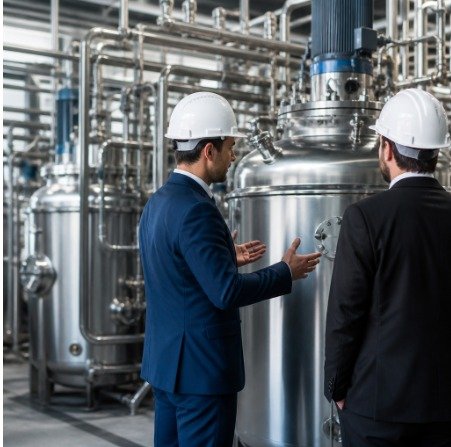
In the world of industrial process engineering, capital equipment decisions carry significant financial and operational weight. Among the most consequential of these decisions is the acquisition of reactor vessels — the workhorses of chemical, pharmaceutical, petrochemical, and food processing industries. Whether you are scaling up production, replacing aging infrastructure, or launching a new facility, understanding how to evaluate and source reactor equipment is essential. The secondary market for process equipment has matured considerably over the past two decades, offering buyers access to high-quality assets at a fraction of original manufacturing costs. This guide explores the key considerations that should inform any serious procurement strategy.
Why the Secondary Market for Reactors Has Grown
Industrial facilities undergo constant change. Plant shutdowns, process redesigns, mergers, and capacity adjustments regularly release high-value equipment back into the market. Reactors — which can cost hundreds of thousands or even millions of dollars when purchased new — are among the most sought-after items in this secondary ecosystem. Buyers who understand how to navigate this landscape can secure equipment that meets their technical specifications while dramatically reducing capital expenditure.
The appeal is not purely financial. Lead times for custom-fabricated reactors can stretch from six months to over a year, depending on materials, size, and complexity. Sourcing from the secondary market can compress that timeline to weeks, allowing facilities to respond quickly to production demands or regulatory requirements. This agility is increasingly valued in industries where market conditions shift rapidly.
Types of Reactors Available on the Secondary Market
Reactor vessels come in a wide variety of configurations, each suited to specific chemical or physical processes. Understanding the distinctions is critical before beginning any procurement search.
Batch Reactors
Batch reactors are among the most common types found on the secondary market. They are used extensively in pharmaceutical manufacturing, specialty chemical production, and food processing. These vessels allow operators to control reaction conditions — temperature, pressure, agitation — with precision, making them versatile across multiple applications. When evaluating a used batch reactor, buyers should examine the integrity of the agitator assembly, jacket condition, and any internal coatings or linings.
Continuous Stirred Tank Reactors (CSTRs)
CSTRs are designed for continuous processing operations and are commonly found in large-scale chemical and petrochemical plants. Their design allows for steady-state operation, making them ideal for high-volume production environments. Used CSTRs can offer exceptional value, but buyers must conduct thorough inspections of seals, baffles, and internal surfaces to ensure they meet current process requirements.
Pressure Vessels and High-Temperature Reactors
For applications involving elevated pressures or extreme temperatures, specialized reactor vessels are required. These units are typically fabricated from stainless steel, Hastelloy, or other exotic alloys and must comply with ASME or equivalent pressure vessel codes. Certification documentation is non-negotiable when purchasing these assets, as regulatory compliance directly affects operational safety and insurance coverage.
Key Evaluation Criteria When Buying Used Process Equipment
Purchasing used industrial equipment is not simply a matter of finding the lowest price. A disciplined evaluation process protects buyers from costly surprises and ensures that acquired assets integrate smoothly into existing operations.
Documentation and Certification
Any reputable seller should be able to provide original fabrication drawings, material certifications, pressure test records, and maintenance history. For reactors that have handled hazardous materials, decontamination records are equally important. Gaps in documentation should be treated as red flags, not minor inconveniences.
Physical Inspection and Third-Party Assessment
Photographs and specifications sheets are useful starting points, but they are no substitute for a hands-on inspection. Engaging a qualified third-party inspector — ideally one with specific experience in the relevant process industry — can reveal issues that are not visible in standard documentation. Wall thickness measurements, weld integrity assessments, and nozzle condition reviews are all standard components of a thorough inspection protocol.
Compatibility with Existing Systems
Even a mechanically sound reactor can create integration challenges if its dimensions, nozzle configurations, or utility connections do not align with existing plant infrastructure. Buyers should develop a detailed compatibility checklist before committing to a purchase, covering everything from footprint and weight to electrical requirements and control system interfaces. Just as choosing the right equipment for large-scale events requires careful matching of assets to venue and operational constraints, selecting industrial process equipment demands the same level of systematic planning and contextual awareness.
The Role of Specialized Dealers in the Secondary Market
Not all secondary market transactions are created equal. Private sales between facilities can offer attractive pricing but come with limited recourse if problems emerge post-purchase. Working with established dealers who specialize in process equipment provides several advantages: curated inventory, professional inspection services, and the ability to source specific equipment types on request.
For buyers seeking used reactors for sale, International Process Plants offers one of the most comprehensive inventories of surplus and used process equipment available globally. Their catalog spans a wide range of reactor types, capacities, and materials of construction, supported by detailed technical documentation and professional inspection services that give buyers confidence in their investment.
Market Trends Shaping Industrial Equipment Procurement
The industrial equipment market does not operate in isolation. Broader trends in manufacturing, energy transition, and supply chain restructuring all influence what equipment becomes available and at what price. The ongoing shift toward sustainable chemical processes, for example, is driving demand for reactors capable of handling bio-based feedstocks and lower-temperature reaction pathways. Meanwhile, the expansion of pharmaceutical manufacturing capacity — accelerated by recent global health events — has increased competition for high-quality stainless steel reactors in the 500 to 5,000-gallon range.
On the supply side, innovations in pump technology are also reshaping how process systems are designed and upgraded. For instance, ITT Goulds Pumps recently introduced its 3430 large double suction pump line, a development that signals continued investment in high-capacity fluid handling infrastructure — a factor that indirectly influences reactor system design and integration requirements across the petrochemical sector.
About International Process Plants
International Process Plants has established itself as a leading authority in the global surplus process equipment market. With decades of experience serving clients across the chemical, pharmaceutical, petrochemical, and food processing industries, the company maintains an extensive inventory of reactors, distillation columns, heat exchangers, and complete plant systems. Their team of engineers and equipment specialists provides buyers with the technical support needed to make informed procurement decisions, from initial inquiry through final delivery and commissioning support. Their global reach and deep industry relationships allow them to source equipment that meets even the most demanding specifications.
Conclusion: Making a Smart Investment in Used Reactor Equipment
The decision to purchase a used reactor is one that rewards careful preparation and disciplined evaluation. Buyers who invest time in understanding equipment types, establishing clear technical requirements, and working with reputable suppliers are well-positioned to capture the significant cost and lead-time advantages that the secondary market offers. As industrial processes continue to evolve and capital efficiency becomes an ever-greater priority, the strategic sourcing of used process equipment will remain a cornerstone of smart facility management. The key is not simply finding equipment that is available — it is finding equipment that is right for your specific application, properly documented, and supported by a seller with the expertise to stand behind what they sell.
For More Information Visit: Rare Magazine