Circular Office Relocation: Repurposing, Recycling, and Responsible Disposal
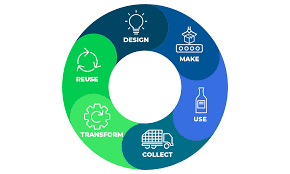
Office relocation is a chance to start fresh, with a new location, new furniture, new setup, and new everything. Meanwhile, relocating also generates a ton of waste. Desktop computers, chairs, cabinets, and IT equipment are thrown into landfills when they could have been reused, recycled, or disposed of. Repurposing existing assets lowers procurement costs; proper disposal lowers contractor costs; and strong sustainability practices strengthen ESG credentials. For any business planning an office relocation, adopting circular practices is both an ethically sound and a financially wise option.
What is a circular office relocation?
A circular office relocation is an approach that integrates the principles of the circular economy in all decisions made before, during, and after a move.
-
Moving beyond traditional office relocation
The traditional office moving process is quite simple. Packing the items, discarding the unwanted ones, and ordering new furniture for the new office. This is a poor use of resources and an expensive approach. A circular office relocation is helping change that. In it, every asset is treated as continuing value rather than a discarded item after a lease expires.
-
Principles of the circular economy in relocation
The circular economy involves three core principles of reduce, reuse, and recycle. It is about keeping products and materials in use, recovering and regenerating resources, and designing out waste from the start. If applied to an office move, this involves auditing assets before packing, identifying reuse opportunities for all assets in good working condition, and discarding items only when no other options remain.
Repurposing office assets during a move
Repurposing starts with an honest assessment. You must carefully inspect all the assets in detail before starting any packing.
-
Reusing furniture and equipment
Refurbishing old, but structurally sound furniture rather than replacing it. If the IT equipment is still in working order, use it in other departments or donate it to local schools and charities. The important thing to address for each item is whether it still has life. If it doesn’t, it becomes an additional expense and waste during the office move.
-
Creative ways to extend asset lifecycles
Assets that do not fit around the new office could be sold on a second-hand site or gifted to community organisations. Secondly, adjust the furniture layout according to the floor plan. When working on office furniture removals, handle them with this mindset to recover value that a standard clearance would discard.
Recycling strategies for office relocation
When repurposing is not possible, recycling is the next best option. Knowing what can be recycled and how to handle it makes the process more effective.
-
Recyclable materials
Specialist recyclers can disassemble wood, metal, or plastic. Businesses can easily separate and process paper, cardboard, and packing materials. Electronics require certified e-waste recyclers trained to remove valuable materials and dispose of hazardous materials safely. Sorting at source before the moves saves time and reduces costs.
-
Working with certified recycling partners
Licensed recycling partners have documentation of proper material recycling. It is important for sustainability reporting and demonstrates compliance with waste regulations. It’s crucial to ensure certification before you begin, but many companies don’t.
Responsible disposal: What cannot be reused
Some items genuinely cannot be reused or recycled. Handling these correctly is where legal and reputational risk is highest.
-
Safe disposal of IT equipment and confidential materials
IT equipment containing sensitive data needs certified data destruction before it leaves the business. Businesses must securely shred confidential documents and dispose of them in line with data protection legislation.
-
Compliance with waste regulations and data protection
Broken furniture and materials containing hazardous substances must go to licensed waste contractors. Businesses that handle regulated waste without proper documentation face fines and liability that no short-term savings justify.
Planning a circular office relocation
Good planning and decisions made before moving day help determine how much waste a business can avoid and how much it can save in costs.
-
Auditing office assets before the move
Start with a full asset audit, a room-by-room inventory graded by condition and remaining usefulness. It gives a clear picture of what moves, what gets donated, what goes to recycling, and what requires disposal.
-
Creating a waste reduction strategy
Based on the audit, build a strategy that assigns each item to a clear disposition, i.e. relocate, repurpose, donate, recycle, or dispose. Factor in disposal costs from the start in the office relocation cost estimate. Businesses that plan this way find that overall office moving costs come down because procurement spend at the new location drops significantly.
Conclusion
A circular office relocation is an easy commitment to making better decisions at every stage of the move. It eliminates waste, reduces expenses, and delivers the value that clients and employees demand in today’s business. Companies like Arnold and Self offer a range of services, backed by years of experience and practical knowledge needed for a responsible office move. Whether it’s initial planning through to final delivery, the professional simplifies the entire relocation.