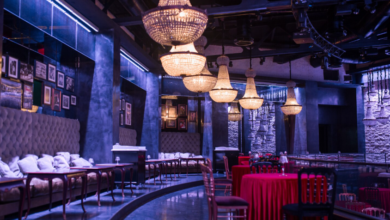
Rethinking the Corporate Retreat: Unconventional Spaces for Large Groups

The Shifting Landscape of Corporate Retreats
The traditional corporate gathering has evolved significantly, shifting away from stagnant boardrooms toward environments designed to stimulate creativity. Companies are increasingly seeking locations that provide more than just chairs and screens, opting instead for spaces that evoke energy. This transition reflects a broader recognition that the setting itself can influence the quality of collaboration.
From Boardrooms to Experiential Environments
Teams now find themselves in spaces that challenge their daily routines rather than reinforcing them. A change in scenery acts as a mental reset, encouraging participants to approach problems from fresh perspectives. By removing the institutional feel of standard conference rooms, leaders can cultivate an atmosphere that feels more personal and connected.
The Necessity of Breaking Team Silos Through Location
Physical separation in the office often mirrors organizational silos, where departments rarely interact. Choosing a location that forces interaction through shared physical movement helps dismantle these barriers. When colleagues navigate new, vibrant environments together, professional hierarchies often soften, allowing for more authentic peer-to-peer communication.
Balancing Core Business Objectives with Team Leisure
Productive retreats rely on a careful equilibrium between structured workshop activities and unstructured downtime. Overloading a schedule with meetings leads to fatigue, while a lack of focus undermines the investment of time and money. The most successful gatherings prioritize time for casual conversation, which often leads to the most breakthrough ideas.
Leveraging Unique Architecture for Team Building
Modern corporate planners are actively scouting for structures that break the architectural mold. By finding venues with high ceilings, open floor plans, and distinctive design elements, organizers can foster a sense of discovery. Choosing a venue with character fundamentally changes how a team interacts with their surroundings and each other.
Utilizing Industrial Warehouses as Creative Collaboration Hubs
Repurposed industrial spaces offer a blank canvas for teams to redefine their working dynamics. These cavernous, open-plan buildings encourage constant visual and physical connection between team members. Such environments often inspire a departure from rigid thinking styles, favoring modular setups that adapt to immediate needs.
Transforming Historic Landmarks into Immersive Meeting Centers
Historic structures provide a gravitas that modern office towers cannot replicate. By repurposing old sites into meeting hubs, companies connect their brand story to a physical legacy of resilience and change. Many organizations find that these spaces ground participants in the present moment, creating a memorable meeting center that feels deeply significant.
Designing Town Halls in Natural or Outdoor Amphitheaters
Taking the town hall meeting outdoors introduces a sense of scale and openness that promotes transparency. Natural amphitheaters focus attention toward the center stage while allowing the fresh air to keep participants alert. This format is particularly effective for aligning larger groups on high-level strategy without the enclosure of artificial walls.
Strategies for Hosting Large-Scale Las Vegas Events
Organizing a large-scale event requires careful navigation of the city’s varied districts, each offering a distinct atmosphere. Whether planners prioritize the high-energy pulse of the Strip or the quirkier, localized charm of the surrounding areas, the choice of venue dictates the event’s flow. Las Vegas events serve as a central pillar for corporate planners looking to maximize impact in a city built for hospitality.
Navigating Off-Strip Versus On-Strip Dynamic Venues
The decision between the bustling main corridor and more secluded locations rests on what the primary event goal entails. Strip venues offer immediate access to iconic amenities and high-traffic areas, while off-Strip locations often provide more control over the facility. Planners must assess which environment best supports their specific interactive programming needs.
Managing Complex Logistics for High-Occupancy Spaces
Crowd movement and material management are the primary hurdles in massive venues. Establishing clear pathways for attendee arrival and departure prevents bottlenecks that degrade the participant experience. Experienced logistics teams rely on early site visits to map out internal flows before the first guest even arrives.
Integrating Local Las Vegas Events into the Retreat Agenda
Connecting a corporate retreat to the broader pulse of the city creates a more rounded cultural experience. Incorporating visits to a unique immersive venue for Las Vegas events like AREA15 allows teams to experience the city’s focus on innovation and visual storytelling. These experiential attractions, such as immersive exhibits, provide tangible talking points that bridge gaps between diverse groups.
Integrating Technology into Unconventional Retreat Spaces
Deploying modern technology in non-traditional spaces requires a bridge between creative architecture and practical hardware. The goal is to make the tech feel seamless rather than an obstruction to the environment’s unique design. High-quality production elements like 4D jumps or similar sensory installations can define the atmosphere, though they must be supported by reliable base infrastructure.
Overcoming Connectivity Challenges in Remote or Historical Venues
Historic venues often present limitations for high-bandwidth requirements. Proactive planning involves securing dedicated fiber lines or satellite backups to ensure that all digital coordination continues without interruption. Testing the physical space for signal dead zones early in the booking phase is essential.
Deploying Portable AV Solutions for Flexible Layout Requirements
Fixed setups are rarely ideal for dynamic, unconventional spaces where flexibility is paramount. Using modular, high-output projection and sound systems allows planners to reconfigure the stage according to the specific needs of each presentation segment. This adaptability makes historical or industrial spaces feel custom-fitted for the modern corporate agenda.
Enhancing Engagement Through Interactive Digital Displays
Touch-enabled walls and interactive digital boards invite active participation rather than passive viewing. When displays are positioned throughout a venue, they keep attendees visually engaged in the material even during breaks. These installations can present dynamic content that shifts in response to team input, turning the venue into an active participant in the session.
Assessing Suitability and Risk for Off-Site Corporate Gatherings
Moving a team to a non-traditional location shifts the focus of risk management toward site-specific variables. Planners must evaluate every element, from floor load-bearing capacity to lighting requirements, to ensure a smooth operation. A comprehensive review upfront mitigates the chance of avoidable issues during the session.
Conducting Thorough Accessibility and ADA Compliance Checks
Equity in participation starts with the physical layout of the chosen space. Every attendee must be able to navigate the facility with ease and dignity, regardless of mobility requirements. Professional site planners conduct these checks as a standard procedure to ensure that no participant is inadvertently isolated by design oversights.
Evaluating Venue-Specific Liability and Insurance Requirements
Traditional office buildings come with standard insurance coverages that may not apply to creative or unconventional rental spaces. Reviewing the contract for specific liability clauses regarding facility damage, third-party vendor safety, and guest protocols is crucial. This due diligence ensures that the company remains protected throughout the event duration.
Establishing Clear Emergency Protocols for Non-Traditional Sites
Emergency exit pathways and communication systems within unique venues are often less intuitive than in modern commercial office complexes. Ensuring that every attendee, staff member, and vendor understands the floor layout and emergency exit plan is an operational necessity. Safety briefings at the beginning of the program keep these procedures top of mind.
Measuring the Return on Investment for Creative Retreats
Quantifying the success of a retreat involves looking beyond basic attendance figures. Success is indicated by how well the experience translates into long-term behavioral changes or improved team performance. Planners use qualitative and quantitative benchmarks to reflect on why a specific location was chosen and what it delivered.
Tracking Qualitative Participant Engagement Metrics
Measuring the depth of interaction during and after the retreat provides a roadmap for future design decisions. Surveys distributed immediately after the event, combined with structured follow-up discussions, reveal how attendees felt about the site’s ability to host communication and collaboration. This sentiment data is often richer than binary satisfaction scores.
Aligning Retreat Outcomes with Long-Term KPI Benchmarks
The return on an unconventional retreat is best seen when those outcomes bleed into the daily work environment. If the goal was to break down silos, metrics regarding cross-departmental project starts or improved communication speed should ideally see an uptick following the event. These longitudinal markers prove the value of moving the team to a new setting.
Analyzing Cost-Benefit Ratios for Unique Venue Selection Strategies
The higher price tag of securing a specialized venue is justified by the unique outcomes it generates. When a venue actively contributes to the event goals rather than just providing a backdrop, the cost is balanced by the increase in overall session efficiency. Planners should weigh the facility’s role in the success against the total expenditure to determine if the location choice serves the strategy.
Frequently Asked Questions
Why choose an unconventional venue over a traditional hotel meeting room?
Traditional hotels offer convenience, but unconventional spaces provide an aesthetic reset that encourages employees to step out of their usual professional habits and think more expansively during collaborative sessions.
How do you maintain professional standards in a creative environment?
Maintaining standards involves balancing the unique vibe of the chosen location with well-structured agendas, clear expectations for behavior, and professional-grade support staff who facilitate the event’s technical and logistical needs.
What criteria are most important when evaluating a non-traditional event space?
Key criteria include technical backbone, such as consistent internet and power, accessibility for all participants, proximity to necessary lodging, and the capacity of the staff to handle large, complex groups safely.
How quickly should logistics be coordinated when moving away from traditional venues?
As early as possible, ideally months in advance, because non-traditional venues may lack the standard hospitality infrastructure that hotels have on speed dial, requiring more time to outsource and secure support.
What is the best way to handle large group movement during the retreat?
Effective movement requires staggered schedules, clear wayfinding signage, and the use of dedicated transit options if the venue features multiple distinct spaces spread across a large physical footprint.
Does the choice of location impact employee perception of company culture?
Yes, a commitment to unique and engaging locations demonstrates that the organization values novelty and individual growth, which in turn boosts morale and encourages a more adventurous professional culture.
Can large-scale retreats really improve team output in a measurable way?
Yes, when the retreat is intentionally designed to address specific team challenges, the increase in collaborative engagement and cross-functional project success serves as a traceable indicator of the retreat’s overall effectiveness.
For More Information Visit: Rare Magazine