How AI-Powered Procurement Software Supports Better Buying Decisions

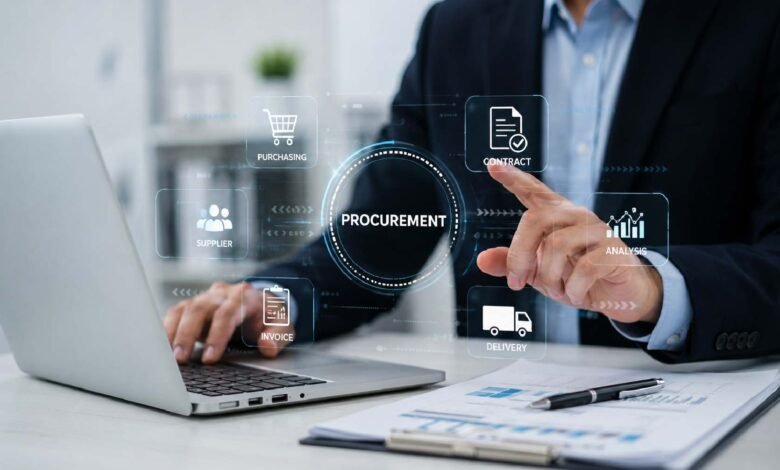
In contemporary organizations, there is an increased movement towards smart digital systems that enhance the precision, velocity, and cost-effectiveness of sourcing decisions. Among the innovations that have made the biggest difference in this area is procurement software, which today takes advantage of artificial intelligence to assist companies in evaluating suppliers, controlling expenditures, and making more strategic purchasing decisions.
AI-based software in procurement is not an automation tool per se. They are decision support systems, which process extensive procurement data sets, detect tendencies, and lead teams to improved buying results. This assists organizations in shunning reactive purchasing and getting into a structured and insight-driven procurement.
Smarter Decision-Making Through Data Intelligence
AI has changed procurement into a data-driven discipline; it has changed procurement from a manual process based on experience. Instead of using spreadsheets or more or less guesswork, procurement teams have gained the ability to see real-time insights to promote better judgment, as well as gain a view of the total addressable spend, which allows for a more complete and strategic view of organizational purchasing activities.
Such systems compare the performance of suppliers, their previous pricing history, the terms of the contract, and demand trends to make a set of actionable recommendations. This enhances accuracy and minimizes uncertainty associated with sourcing decisions.
1. Supplier Comparison with Greater Accuracy
The AI tools will screen suppliers in various aspects, including stability in pricing, delivery schedule, quality standards, and conformity history. This assists the organizations in determining the best (most trustworthy) and economically viable partners.
2. Better Price Benchmarking
Through consumer behavior analysis of the market by examining past purchases, AI can help provide a better idea of a fair price. This will enable the teams in procurement to negotiate better and not to overpay for goods and services.
Automation That Enhances Procurement Efficiency
One of the most feasible benefits of AI-powered procurement systems is automation. It will minimize the amount of manual work and make repetitive processes that usually drag on the procurement process simpler.
Activities like purchase order writing, invoice verification, approval process, and communication with suppliers can now be automated. This minimizes the delays, and the teams are able to concentrate on the strategic activities.
During the everyday activities in sourcing activities, procurement software can be important in ensuring that work flows are consistently smooth, standardized, and efficient in departments.
1. Reduced Administrative Burden
Repetitive manual tasks are removed by automation, increasing productivity and causing less reliance on manual operations, which are prone to errors.
2. Faster Procurement Cycles
Fewer manual procedures mean that the procurement approvals and executions are much quicker, and organizations are able to swiftly respond to businesses.
Supplier Evaluation and Risk Intelligence
AI-driven systems can be used to gain detailed insights into supplier behavior, allowing organizations to assess risk and reliability much more effectively, as well as having visibility of the total addressable spend by category, to enable more informed procurement planning.
1. Continuous Supplier Monitoring
These platforms enable monitoring of the performance of suppliers, such as consistency in deliveries, quality assurance, and compliance with the contract.
2. Predictive Risk Identification
Artificial intelligence can identify the initial indicators that there is a late shipment, price volatility, or even poor performance of the supplier, therefore enabling businesses to take preventive measures.
3. Strengthened Supplier Relationships
Having a better vision of performance, organizations will be able to establish more open and working relationships with reliable suppliers.
Cost Optimization and Financial Control
Using AI in procurement has one of the most powerful advantages in terms of cost control. Smart systems assist companies in determining areas to save and avoid unneeded expenses.
1. Category-Wise Spend Insights
AI breaks down information on spending to emphasize the areas where money is mainly spent and areas that can be optimized.
2. Improved Negotiation Power
This will empower the negotiation strategies and enhance the contract outcomes through access to real-time benchmarks and comparisons with suppliers.
3. Budget Compliance
AI does make sure that procurement activities are on track with approved budgets, limiting waste of money and enhancing financial discipline.
Enhanced Visibility into Organizational Spending
With AI-based procurement software, there is end-to-end visibility over spending patterns in the organization. This enables the businesses to know where the money is being spent and how it is utilized effectively.
1. Real-Time Spend Tracking
Organizations are also able to track procurement activity in real-time, enhance their visibility, and ability to control financial processes.
2. Forecast-Based Planning
Data on AI is used to predict new procurements and budgets based on past information and trends in the market to assist teams in planning better in terms of team budgets and inventory.
By having a definite picture of organizational spending behavior, organizations are able to make more effective long-term procurement choices and decrease inefficiencies.
Collaboration and Process Transparency
The new procurement systems enhance effective coordination of internal teams and external suppliers through communication and documentation being centralized.
1. Unified Procurement Workflows
The whole process of making purchases, approvals, and transactions with suppliers is done through a single system that has lowered the level of confusion in this domain and enhanced coordination.
2. Transparent Decision-Making
The procurement progress can be monitored in real time by the stakeholders, making it more accountable and minimizing communication gaps.
3. Cross-Team Alignment
There will be better collaboration of finance, operations, and procurement teams that will lead to the execution of purchasing strategies in a smoother manner.
Strategic Transformation of Procurement
AI will turn procurement into a strategic business-driven process rather than a transactional process. The organizations are no longer limited to just purchasing goods and services and can use procurement insights to help drive the larger business objectives by evaluating the total addressable spend and where there are optimization opportunities throughout the sourcing ecosystem.
1. From Reactive to Predictive Procurement
Using AI, businesses are able to predict demand and bring their procurement activities forward instead of responding to urgent demand.
2. Long-Term Business Impact
Improved procurement decision-making results in savings of costs and relations with suppliers, as well as financial planning within the organization being enhanced.
Conclusion
Seeking to integrate automation, intelligence, and predictive analytics, AI-powered procurement software platforms are redefining the way organizations go about making purchasing decisions. They enable companies to become more efficient, lower expenses, and have better visibility of the procurement process.
Procol develops smart procurement solutions to make sourcing easier and streamline decision-making in contemporary organizations. Its platform assists organizations in simplifying activities and getting a better understanding of procurement behavior. Knowing total addressable spend, businesses can find additional potential within their procurement ecosystem, find efficiencies in budgets, and generate more value than they had anticipated in their business.