How Fashion and Automotive Design Became Creatively Intertwined
Cars and fashion once occupied very different cultural spaces.
Automotive design traditionally prioritised engineering, aerodynamics, and manufacturing practicality, while fashion operated around seasonal aesthetics, identity, and emotional expression. One industry built machines; the other shaped image and personal style.
Today, those boundaries are increasingly blurred.
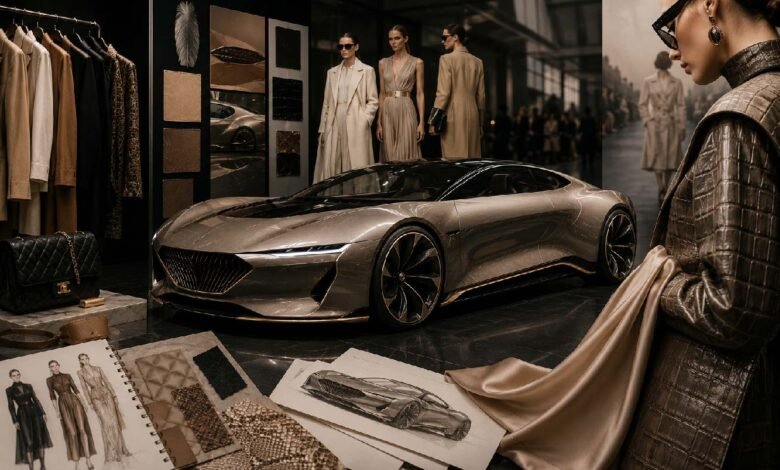
Luxury fashion houses collaborate directly with car manufacturers. Automotive paint palettes follow colour trends emerging from runway collections and interior design. Sustainable fabrics developed for fashion now appear inside vehicle cabins. Even the language surrounding cars has shifted, with designers discussing “textures”, “silhouettes”, and “emotional storytelling” in ways once reserved primarily for fashion editorials.
Modern vehicles are no longer judged solely as transport. They are increasingly understood as cultural objects — extensions of taste, identity, and lifestyle.
Cars Became Lifestyle Statements
Part of this shift reflects a broader transformation in consumer culture.
Historically, cars signalled status largely through price and performance. Engine size, speed, and brand prestige dominated automotive aspiration. But as technology standardised many aspects of driving experience, aesthetics and emotional identity became more influential.
Consumers increasingly choose vehicles not only for functionality, but for what those vehicles communicate visually and culturally.
That logic closely mirrors fashion.
A car’s colour, interior materials, lighting design, wheel finish, and overall silhouette now contribute to a larger aesthetic identity in much the same way clothing or accessories do. Manufacturers understand this clearly. Modern automotive marketing frequently focuses less on technical specifications and more on atmosphere, mood, and lifestyle association.
The car is presented as part of a curated personal image rather than simply a machine.
Why Luxury Fashion Entered the Automotive World
The relationship between fashion and automotive design became particularly visible through luxury collaborations.
Brands such as Louis Vuitton, Gucci, and Prada have all explored partnerships connected to mobility, while car manufacturers increasingly invite fashion designers into material development and interior styling conversations.
These collaborations are not purely marketing exercises.
Fashion houses specialise in emotional branding — understanding how colour, texture, exclusivity, and aesthetic coherence influence consumer attachment. Automotive companies increasingly value those same qualities as cars become more digitally similar beneath the surface.
Electric vehicles accelerated this trend further. Without the emotional theatre of traditional combustion engines, manufacturers need new ways to create personality and distinction. Interior atmosphere, tactile materials, and visual storytelling become more important when performance differences feel less dramatic.
Fashion expertise naturally fits that challenge.
Colour Trends No Longer Come Only From the Automotive Industry
One of the clearest examples of crossover influence appears in colour design.
Automotive paint palettes were once relatively conservative, dominated by blacks, silvers, whites, and dark blues designed around resale practicality. Today, many manufacturers follow broader cultural colour trends emerging from fashion, furniture, architecture, and digital design.
Muted earth tones, satin finishes, pastel shades, matte textures, and soft neutral palettes increasingly reflect lifestyle aesthetics rather than traditional automotive convention.
Some modern EVs, for example, deliberately use colours associated more closely with contemporary interior design than historic car culture. Soft greys, mineral greens, sand tones, and minimalist monochromes reflect broader cultural movements toward calmness and understated luxury.
This mirrors fashion’s influence directly.
Colour forecasting agencies already work across multiple industries simultaneously, meaning future trends often appear in clothing, furniture, consumer technology, and automotive design at roughly the same time.
Cars now participate in aesthetic culture rather than existing outside it.
Interiors Became Fashion Spaces
The strongest connection between fashion and automotive design arguably exists inside the vehicle itself.
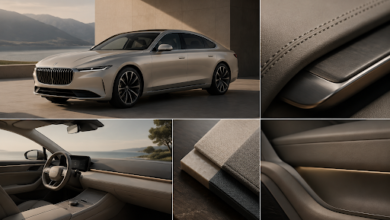
Modern car interiors increasingly resemble carefully curated living environments. Designers focus heavily on fabric textures, stitching patterns, sustainable materials, ambient lighting, and tactile experiences that shape emotional perception.
The language used by automotive designers increasingly overlaps with luxury fashion and hospitality design. Materials are described as warm, layered, minimalist, sculptural, or artisanal rather than simply durable.
Consumers respond strongly to this.
As daily driving becomes more digitally mediated through automation and connectivity, physical sensory experience matters more. The feeling of touching a surface, sitting within a carefully designed colour palette, or interacting with subtle lighting systems becomes central to how people emotionally evaluate a car.
In many vehicles, the cabin now functions less like a cockpit and more like a personal lifestyle environment.
Sustainability Linked the Industries Further
Sustainability concerns also brought fashion and automotive design closer together.
Both industries faced growing criticism over waste, excessive consumption, and environmentally damaging production practices. In response, designers in both sectors began exploring recycled materials, vegan alternatives, circular manufacturing systems, and longer-lasting design approaches.
Many modern vehicles now incorporate materials originally developed within sustainable fashion innovation, including recycled textiles, plant-based alternatives, and regenerated fibres.
Interestingly, personalisation culture also intersects with sustainability discussions.
When people feel emotionally connected to objects, they tend to keep them longer. That principle applies to fashion as much as cars. A vehicle designed around personal identity and emotional attachment may encourage longer ownership cycles and more thoughtful consumption behaviour.
Within this broader personalisation culture, companies such as Number 1 Plates reflect how drivers increasingly seek small aesthetic details that reinforce individuality without necessarily changing the core vehicle itself.
The emotional dimension of ownership matters more than ever.
Social Media Accelerated the Blend Between Cars and Fashion
The rise of visual social media dramatically accelerated this crossover.
Platforms like Instagram and TikTok reward aesthetics, mood, and visual cohesion. Cars increasingly appear not as isolated machines but as components within broader lifestyle imagery involving architecture, fashion, travel, and design culture.
This changed how manufacturers present vehicles publicly.
Press photography now resembles fashion campaigns as much as traditional automotive advertising. Cars are staged within curated urban environments, minimalist architecture, and highly stylised visual worlds designed to communicate cultural relevance rather than mechanical superiority alone.
For younger audiences particularly, cars are often encountered first through digital imagery rather than physical showrooms.
That means aesthetics carry greater emotional weight than ever before.
The Risk of Style Over Substance
Of course, not everyone welcomes this evolution.
Critics argue that excessive focus on aesthetics risks turning cars into superficial lifestyle accessories detached from driving quality or engineering integrity. Some enthusiasts worry automotive design increasingly prioritises visual trends over timeless functionality.
There’s also the question of longevity.
Fashion trends move quickly, while cars remain expensive long-term purchases. Design choices that feel contemporary today can age poorly when tied too closely to short-lived aesthetic movements.
Manufacturers therefore face a delicate balance between cultural relevance and enduring design.
The strongest automotive designs still succeed because they combine emotional appeal with practical coherence rather than relying purely on visual novelty.
Cars Now Reflect Culture More Than Ever
The deeper shift is not simply that cars borrowed ideas from fashion.
It’s that both industries now operate within the same cultural ecosystem shaped by identity, aesthetics, digital presentation, and emotional experience.
Cars are no longer viewed only through the lens of transport or engineering achievement. They exist alongside architecture, technology, clothing, and interior design as part of a broader visual language people use to express themselves.
That may explain why automotive design increasingly feels more personal, more stylised, and occasionally more experimental than in previous decades.
The modern car is no longer just a machine people drive.
It is something people curate, photograph, personalise, and emotionally identify with — much like fashion itself.