Why Your Website Feels Untrustworthy Even When It Looks Professional
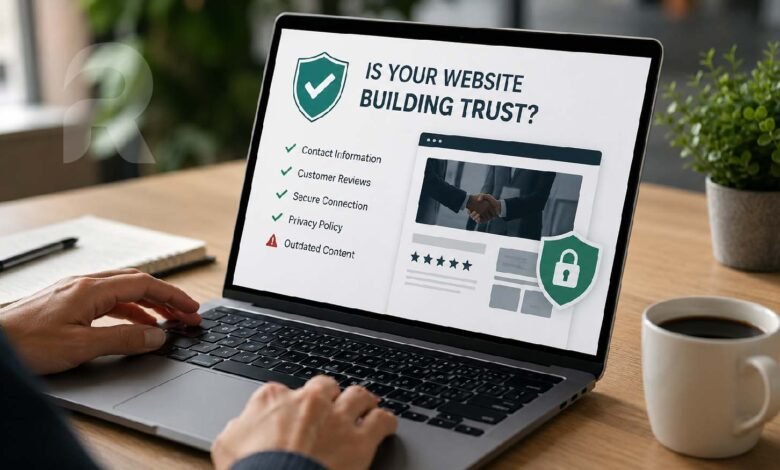
You’ve invested in a polished website. The design is sleek, the colours are on-brand, and yet visitors still leave without buying or enquiring. Something is off, even if no one can quite name it.
Trust and good looks aren’t the same thing. A site can be beautiful and still quietly signal “be careful” to the very people you want to win over.
Here’s why a professional-looking website can still feel untrustworthy, and how to fix it.
Looks Aren’t the Same as Credibility
A clean design earns attention, but trust is built on substance. Visitors are scanning, often unconsciously, for proof that a real, reliable business sits behind the screen.
When that proof is missing, doubt creeps in regardless of how good the site looks. Decades of research into what makes a site believable point to the same factors: design quality, honest disclosure, current content, and connection to the wider web.
Miss those, and a gorgeous site still leaves people uneasy.
The frustrating part is that this judgement happens fast, often within seconds and largely below conscious awareness. Visitors rarely tell you they didn’t trust you; they simply leave.
The Hidden Trust-Killers
Most trust problems come from small, fixable details. These are the usual culprits quietly costing you customers:
- No contact details. A missing phone number, address, or real email makes a business feel anonymous.
- No social proof. Without reviews, testimonials, or logos, visitors have no reason to believe you deliver.
- Stock everything. Generic stock photos and vague copy suggest there’s no real team behind the brand.
- Outdated content. A blog frozen two years ago hints that the business may no longer be active.
- No security signals. A missing padlock or privacy policy spooks anyone about to share details.
Vague Words Breed Doubt
Empty marketing speak is a silent trust-killer. Phrases like “world-class solutions” and “industry-leading service” say nothing and reassure no one.
Visitors want specifics: what you do, who you help, and what happens next. Clear, concrete language signals confidence, while vagueness signals you have something to hide.
Speak plainly, and people relax. Hide behind jargon, and they hesitate.
Friction and Inconsistency
Trust erodes when a site feels awkward to use. Slow pages, broken links, confusing navigation, and clunky mobile layouts all whisper that the business is careless.
Inconsistency does the same. Mismatched details, conflicting information, or a tone that lurches between pages quietly undermines confidence.
Each small flaw might seem trivial on its own. Stacked together, though, they create a powerful impression that this business can’t be relied upon.
If diagnosing these issues feels beyond you, a digital marketing agency can audit your site and pinpoint exactly where trust is leaking away.
The Bottom Line
A professional-looking website is only half the equation. Real trust comes from substance: visible contact details, genuine social proof, current content, plain language, and a smooth, consistent experience.
Fix those, and your site won’t just look the part. It will feel safe, credible, and worth doing business with, which is exactly what turns a curious visitor into a paying customer.
For More Information Visit: Rare Magazine